
Pressure foot brush for PCB routing process
$0.7 – $4
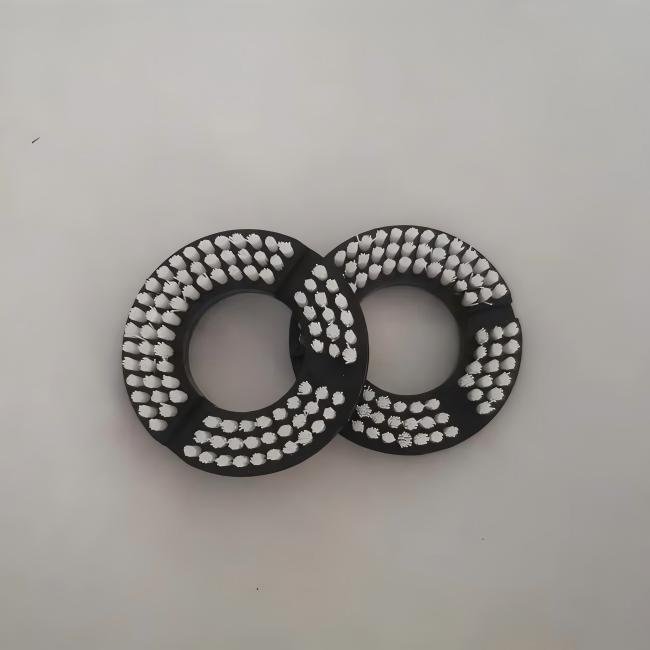
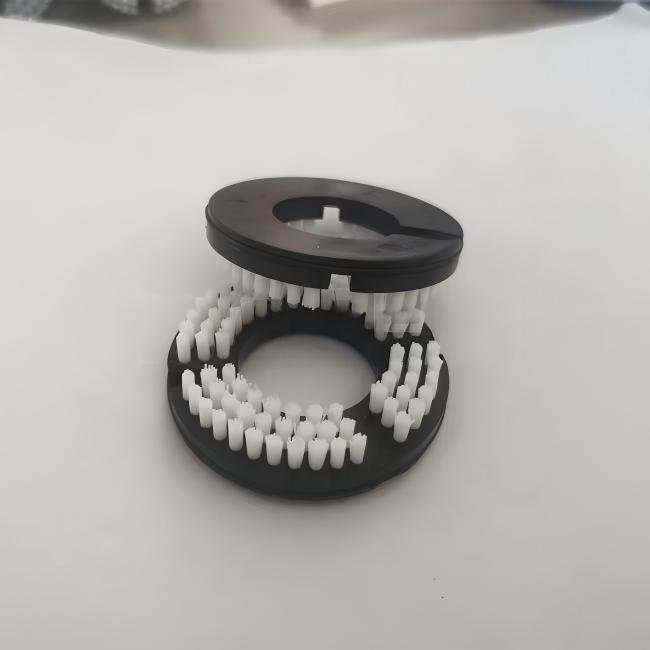
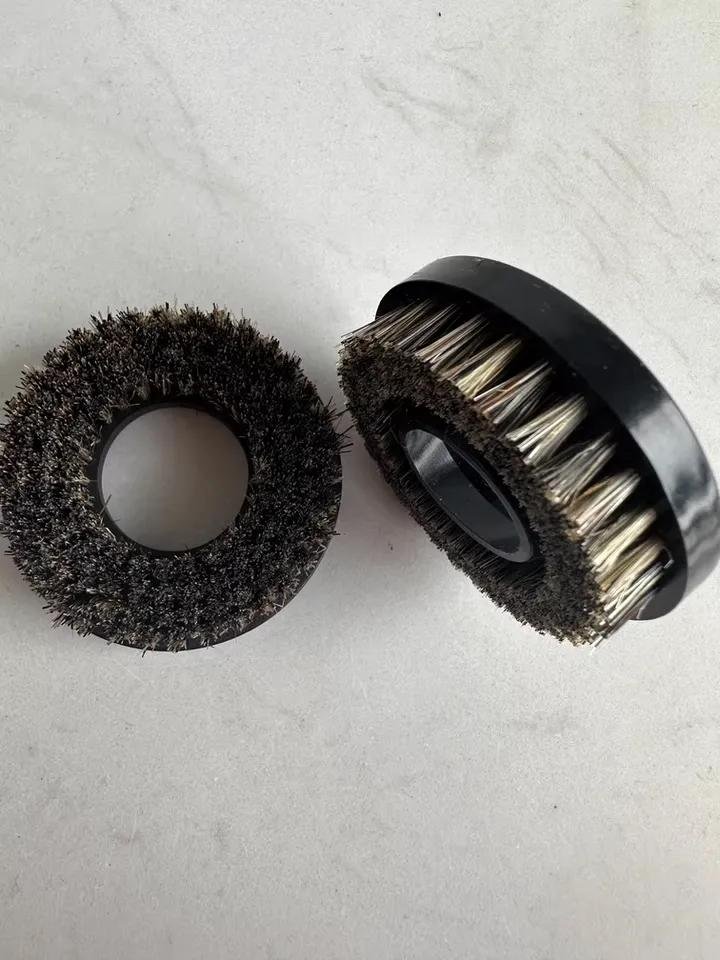
pressure foot brush is a specialized ring-shaped assembly of nylon bristles used in the PCB routing process to stabilize panels, provide a vacuum seal for dust extraction, and prevent surface scratches during high-speed spindle operations
What is a Pressure Foot Brush?
In a CNC routing machine, the “pressure foot” is the component that surrounds the spindle and applies downward force to the PCB panel during the cutting process. The pressure foot brush (or pressure foot bristle brush) is the ring-shaped interface attached to the bottom of this foot.
Its primary functions are:
Debris Containment: It creates a seal around the routing area, ensuring that fiberglass dust and copper chips are efficiently channeled into the vacuum system.
Panel Stabilization: It provides a soft yet firm downward pressure that prevents the PCB from vibrating or lifting during high-speed routing.
Surface Protection: Unlike a rigid metal or plastic foot, a high-quality insert brush prevents scratches on the delicate solder mask or copper surface.
The Material Science: Why Nylon Bristle Brushes Dominate
In 2026, the industry standard for high-end routing is the nylon bristle brush. While early routing processes used various fibers, modern nylon bristle brush technology offers the perfect balance of flexibility and abrasion resistance.
Anti-Static Properties: Modern PCB pressure foot brushes are often treated with anti-static agents to prevent dust from clinging to the board via ESD (Electrostatic Discharge).
Durability: A nylon bristle brush can withstand millions of cycles across the board surface without losing its shape or “splaying,” which would compromise the vacuum seal.
Thermal Resistance: During heavy routing of thick laminates, friction heat can rise significantly. High-grade insert brushes are designed to remain stable at temperatures that would melt inferior plastics.
OEM Specific Solutions: From Schmoll to Excellon
Not all routing machines are created equal, and the routing machine foot brush must be precision-matched to the spindle housing of the specific manufacturer.
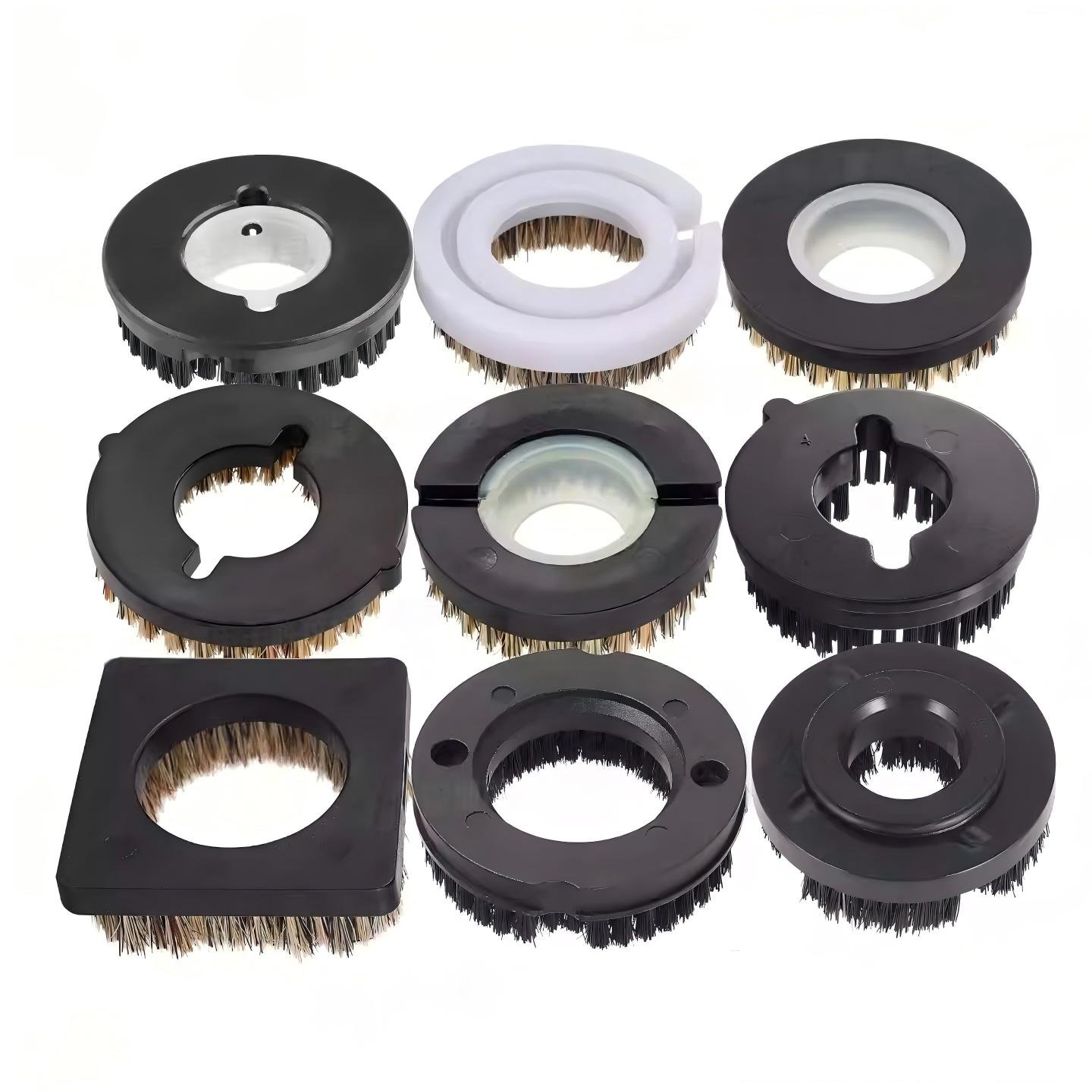
Schmoll Pressure Foot Brush
Schmoll machines are renowned for their high-throughput capabilities. A Schmoll pressure foot brush is typically engineered for high-speed automated tool changers. These brushes feature a specific mounting geometry that allows for rapid “snap-in” replacement, minimizing downtime in 24/7 production environments.
Hitachi Pressure Foot Brush
Hitachi routing centers often focus on high-density interconnect (HDI) boards. Consequently, a Hitachi pressure foot brush is designed with finer bristles to provide a more delicate touch on thin core materials, ensuring that even 0.1 mm thick boards do not warp under the foot’s pressure.
Excellon and Anderson Foot Brushes
The Excellon pressure foot brush and Anderson pressure foot brush are industry workhorses. They are often characterized by a “dense-pack” bristle arrangement, which is ideal for heavy-duty routing of multi-layer power boards where the volume of debris is significantly higher.
Tailing Pressure Foot Brush
A tailing pressure foot brush is a specialized variant used in specific routing paths where the direction of the cut requires an extended “tail” of bristles to capture dust that might otherwise escape the primary vacuum vortex.
The Critical Role of the “Insert Brush” Design
Most modern routing spindles utilize an insert brush system. Instead of replacing the entire heavy pressure foot assembly, operators can simply swap out the pressure foot bristle brush ring.
This modularity is essential for:
Reducing Maintenance Costs: The brush is a consumable item. An insert brush design allows for cost-effective replacement.
Flexibility: Depending on the board thickness, an operator might swap a standard pressure foot brush for one with longer or stiffer bristles in seconds.
Maintenance
Even the best routing machine foot brush will fail if not maintained. To ensure your PCB pressure foot brush continues to perform at 2026 industry benchmarks, follow these protocols:
Regular Cleaning
Dust build-up inside the bristles can turn a soft nylon bristle brush into a rigid, abrasive surface. Use compressed air to clear the brush between every shift change.
Height Calibration
The “stand-off” height of the pressure foot must be calibrated so that the bristles are compressed by approximately 15% to 20%. Over-compression leads to premature wear and “burn marks” on the board, while under-compression results in poor dust collection.
Inspection for “Splaying”
When a pressure foot bristle brush begins to splay (bristles pointing outward), it loses its vacuum seal. This leads to dust settling in the routed channels, which can cause electrical shorts or “dendritic growth” in the final product.
The “Clean Cut” Advantage
In the competitive landscape of the 2026 CPCA Show, the quality of the routed edge is a primary differentiator. A worn or low-quality pressure foot brush causes three major issues:
Copper Burrs: Poor stabilization allows the copper to “tear” rather than cut.
Resin Smear: Friction heat from trapped dust can melt the resin, smearing it across the conductive layers.
Cross-Contamination: If the vacuum seal fails, fiberglass dust can settle into open vias, leading to plating failures later in the process.


 German
  English
  French
  Spanish
  Vietnamese
  Russian