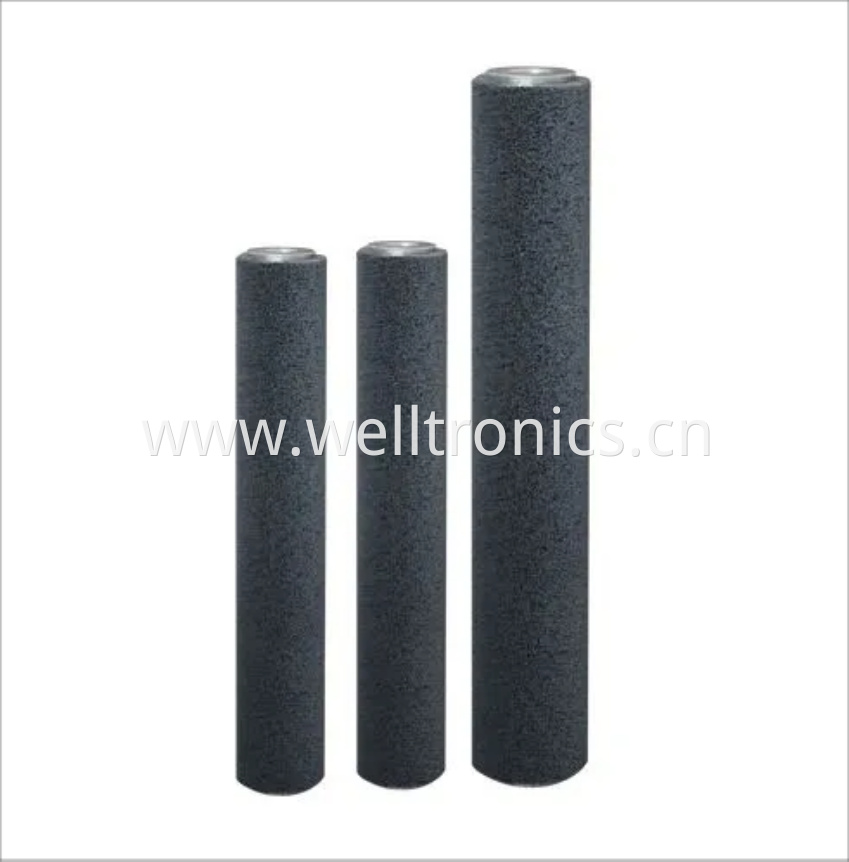
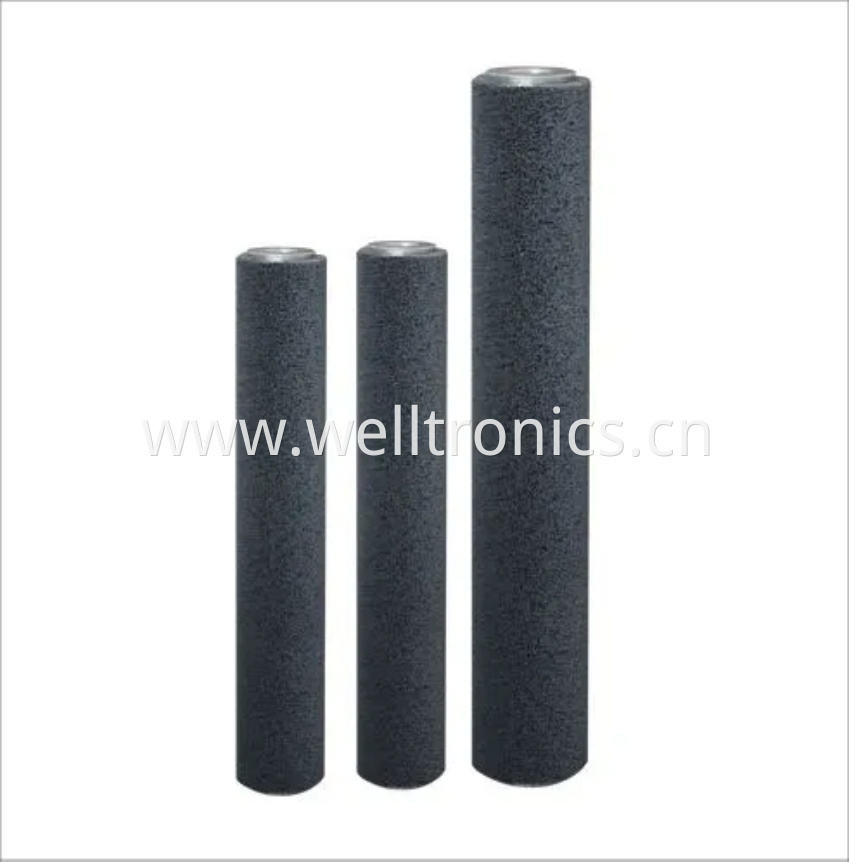
PCB Nylon Brush for PCB Wet Process
$60 – $300
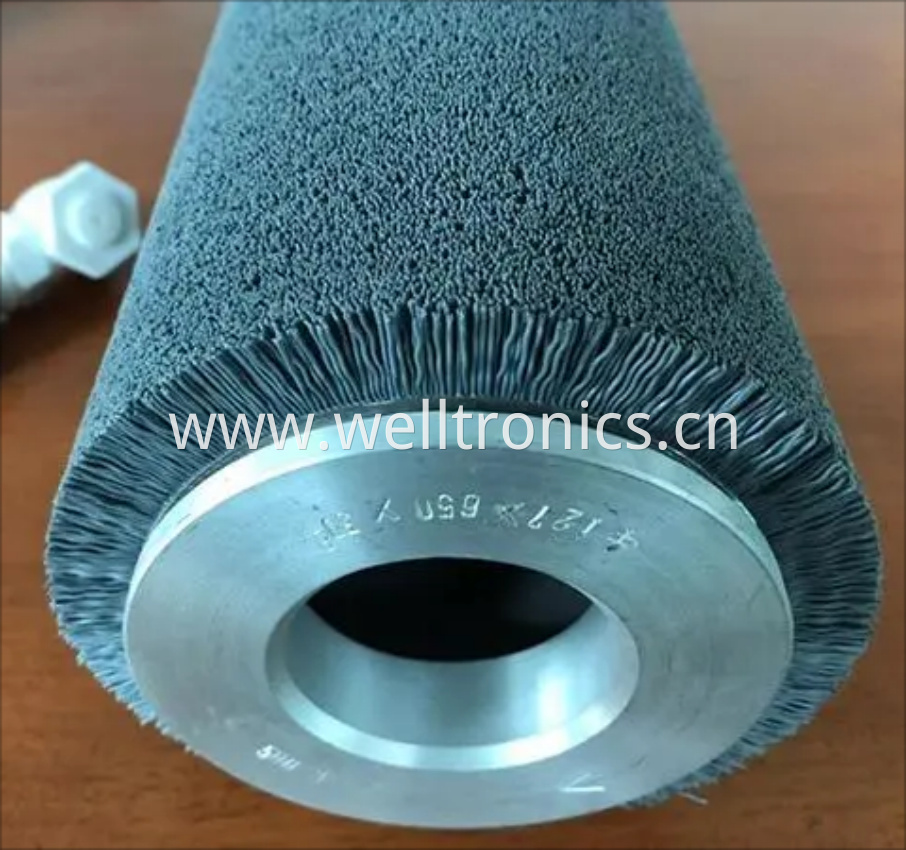
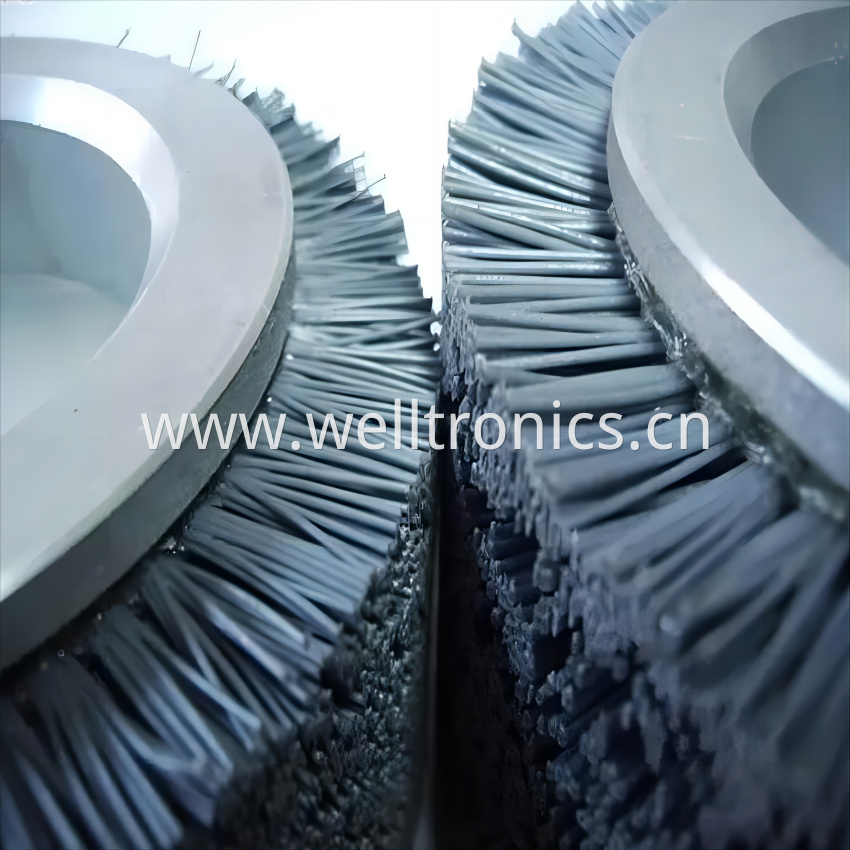
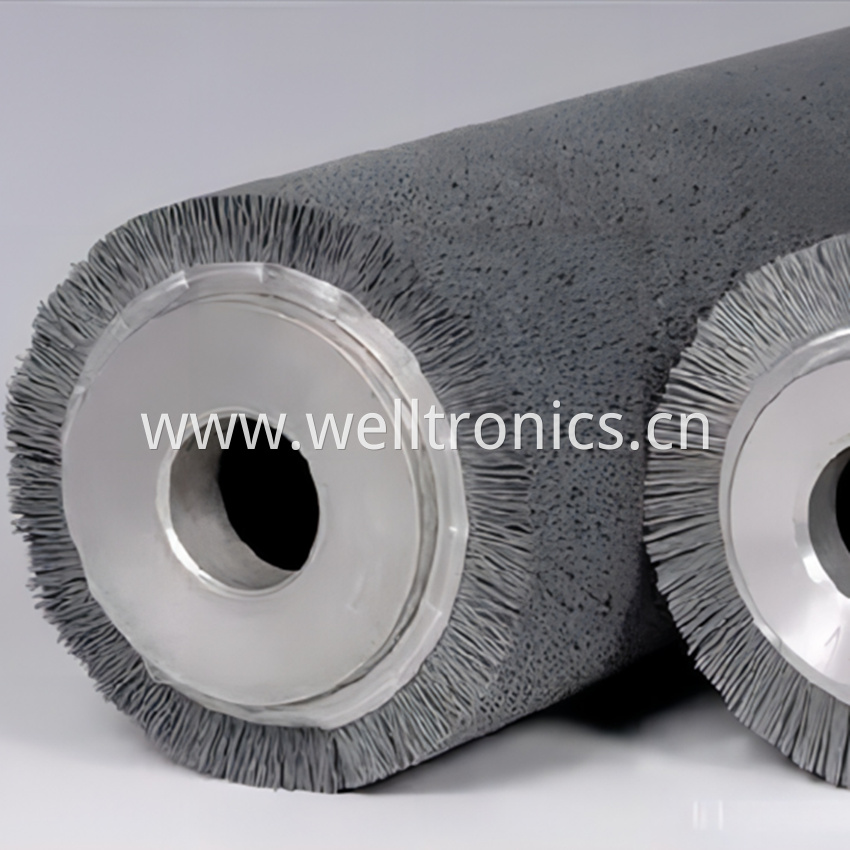
PCB Nylon Brush Roller is a non-abrasive PA66 nylon filament brush roller used on PCB horizontal wet lines for gentle cleaning of loose surface contaminants without abrading copper foil.
Features: Cleaning
Material: Nylon
Size: 50.8*125*610mm or other size
1.Nylon Brush Roller Overview
Nylon brush roller (Nylon Roller Brush/Nylon Cylinder Brush/)is a composite abrasive roller brush, made by mixing silicon carbide or aluminum oxide abrasive grit into PA66 nylon filaments. It is widely installed on PCB horizontal wet process lines, mainly for copper surface conditioning, oxide removal, drilling residue cleaning, desmear and deburring. Compared with pure nylon brush, it has stable grinding power; compared with ceramic brush, it brings milder abrasion and lower risk of copper over-etching. It is a standard consumable for PCB and FPC surface pretreatment.
Nylon brush roller is characterized by long service life, moderate grinding effect, especially used in the surface treatment of PCB manufacturing process under the condition of line width/line distance (L/S) ≥200um (=8mil), copper foil thickness ≥ 35um. Played an important role in the early PCB manufacturing industry. However, with the recent PCB requirements for line width/line distance becoming more and more fine, the scratches unique to the nylon needle brush roller are more serious, and the impact on the line is larger, which is easy to cause defects such as microfilament bridging and wire breaking. Non-abrasive pure nylon brush roller such as volcanic ash brush roller or Pumice brush roller, due to the selection of nylon brush wire and equipment improvement, can be fully used for finer lines such as 75um-150um line width of PCB grinding.
In industrial applications, the most relevant brushes include:
Nylon Filament Abrasive Brush
Nylon Deburring Roller / PCB Scrubbing Brush
Abrasive nylon wheel brush – used on handheld or automated grinding systems
Non-woven brush / non-woven brush – used for satin finishing and fine polishing
Pumice brush – a specialty abrasive tool for subtle material removal
These specialty brushes are engineered to balance flexibility with controlled abrasiveness, allowing precise material removal without damaging the workpiece.
Usage: Nylon brush used to remove the oxide of the PCB
Nylon needle brush roller is divided into silicon carbide (SIC) abrasives, alumina (AO) abrasives and pure nylon, whether it is silicon carbide or alumina abrasives its particle size distribution range is: 60#, 80#, 100#, 120#, 150#, 180#, 240#, 320#, 400#, 500#, 600#, 800#, 1000#, 1200#, 1500#.
| Name | Industrial Nylon Brush |
| Specification | Customized |
| OD | 60-400mm |
| ID | 20-80mm |
| Material | Dupont or 1010 |
| Lenght | 200-1500mm |
| Usage | Remove the burr or oxide for PCB |
2.Key Features
- Flexible Nylon Bristles: Bend during contact to brush the PCB surface and accommodate minor surface variations.
- Wet-Process Compatibility: Suitable grades can operate with water or approved process solutions. Compatibility must cover the bristles, core, shaft, and bonding materials.
- Adjustable Brushing Action: Filament diameter, bristle length, and density can be selected to balance cleaning performance and surface sensitivity.
- Particle and Residue Removal: Works with liquid flow to loosen and carry away contamination during brushing.
- Customizable Dimensions: Outer diameter, working length, bore size, and shaft configuration can be specified to match the equipment.
- Controlled Surface Contact: Correct alignment and contact settings help provide consistent brushing across the working width.
- Application-Specific Construction: Brush materials and mounting details can be selected for the cleaning stage, board thickness, and operating conditions.
3. Advantages Over Traditional Tools
The unique structure of the nylon bristle brush combined with abrasives offers distinct advantages over traditional rigid grinding wheels and purely flexible media like the non-woven brush:
| Compared With | Advantages of a Standard Nylon Brush Roller | When the Alternative May Be Better |
|---|---|---|
| Abrasive Nylon Brush Roller | Unfilled nylon bristles provide less aggressive brushing, making them suitable when cleaning is required with minimal intentional material removal. | Abrasive nylon is better suited to oxide removal, deburring, and controlled surface roughening. |
| Non-Woven Abrasive Brush Roller | Individual bristles offer flexible contact around minor surface variations, with brushing behavior adjustable through filament diameter, length, and density. | Non-woven abrasive rollers are often preferred for uniform surface conditioning and finish refinement. |
| Wire Brush | Nylon bristles generally provide gentler contact and avoid introducing metal-wire fragments into the process. | Wire brushes may be appropriate for heavy-duty cleaning of robust metal parts, subject to surface requirements. |
| PVA Sponge Roller | Nylon bristles provide localized brushing contact for loosening particles and can reach accessible surface recesses. | PVA rollers are better suited to water absorption, wiping, or qualified precision-cleaning applications. |
| Natural-Fiber Brush | Manufactured nylon filaments allow more closely specified diameter, length, and stiffness, helping achieve repeatable brush construction. | Natural fibers may suit particular wiping, polishing, or material-compatibility requirements. |
Its durable nylon brush bristles, embedded abrasives, and customizable filament design offer unmatched versatility across industries. Whether you need a Nylon Deburring Roller, abrasive nylon wheel brush, or non-woven brush for fine finishing, nylon-based abrasive brushes provide a reliable and efficient solution for high-performance surface treatment.
FAQ
1. What is a nylon brush roller used for in PCB manufacturing?
A nylon brush roller is used for surface cleaning, deburring, and surface preparation. Depending on the filament type, it can remove loose particles, oxide layers, or light burrs before subsequent processing.
2. What is the difference between nylon brush vs abrasive nylon brush?
A standard nylon brush uses unfilled nylon filaments, mainly for cleaning and light brushing. An abrasive nylon brush contains abrasive particles within the filaments, allowing it to remove material and modify the surface more aggressively.
3. How do I choose the right nylon brush roller for my equipment?
Check the brush outer diameter, working length, shaft or bore dimensions, and mounting arrangement. Then select the filament material, diameter, trim length, and brush density according to the substrate and required finish. For abrasive brushes, also specify the abrasive type and grit size.
4. Can nylon brushes scratch PCB surfaces or remove too much copper?
Yes. An unsuitable brush or overly aggressive settings can leave scratches or remove excessive copper. Select the brush grade and operating conditions through trials, checking surface appearance, copper removal, and dimensional requirements before production.
5. What is the difference between silicon carbide and aluminum oxide abrasive nylon brushes?
Silicon carbide is generally sharper and more brittle, while aluminum oxide is generally tougher. Their performance also depends on grit size, abrasive loading, filament construction, and operating conditions. Compare samples on the actual workpiece before choosing a grade.


 German
 English
 French
 Spanish
 Vietnamese
 Russian