


PP Sponge Roller
$15 – $200
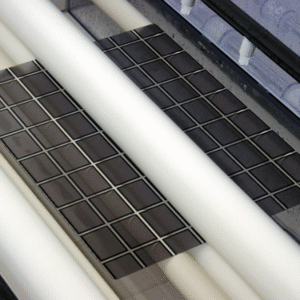
PP Sponge Roller is a lightweight, cost-effective roller made from polypropylene (PP) sponge, commonly used for primer, adhesive, and general coating applications
Material: PP sponge
Size: 16*40*700*730mm
Shape : roller shape with/without tube
Color: White, cream, light green (customize)
Feature of PP sponge roller
PP sponge roller is a sponge made of polypropylene (PP) material,PP water roller is made by the technology of ultra-fine continuous foam pore size of 5-10 µ. It can instantly absorb water on the surface of objects. At the same time, the roller surface remains dry and has transport, extrusion, water removal, water cut-off effect, superior water absorption, toughness, high friction resistance can multiply the service life of the roller. due to it’s acid and alkali resistant feature, it’s usually used on PCB factory or electroplating factory for etching process. The material is cheap than PU and PVC sponge, so it’s welcomed by most pcb manfacturers.
PP sponge is specially suitable for chemical etching of copper plating sponge roller, using polyethylene as chemical bridge, improve the polymer structure of fine foam. It has good water retention, water absorption, wear resistance, drug resistance, can prevent the chemical etching of the base plate when the liquid spill, but also play an excellent oil treatment, dehydration and liquid cutting function.
PP Sponge Wheel roller feature:
- Water absorption performance: PP water absorption sponge has good water absorption performance, can quickly absorb water and maintain its shape.
Water retention performance: PP absorbent sponge can effectively retain the absorbed water and prevent the rapid evaporation of water.
3. Durability: PP absorbent sponge has high durability and pressure resistance, and can withstand long-term use without deformation or damage.
4. Cleanliness: PP absorbent sponge is easy to clean and can be washed or wiped to remove adsorbed stains or dust. - Widely used: PP sponge roller is often used in PCB etching field, electroplating industrial, car cleaning, industrial cleaning, beauty salon and other fields. It can be used to wipe furniture, clean the kitchen, wash the car, wipe electrical equipment and so on.
Purpose of PP roller:
1. Water absorption: small test, printed circuit board, frame, etc.
2. Cleaning: computer hard disk, glass, medal, etc.
3. Smear with: ink roller, various liquid smear.
4. Liquid cleaning: plating solution, printed circuit board corrosion solution, etc
PP water roller application:Printed Circuit board, inner board, gold plating process, stainless steel plate, liquid crystal display, semiconductor wafer, glass, etc., the industry is the magic weapon of chemical etching process.
Material application: chemical liquid cutting roller in etching tank
Product features: chemical resistance, drug resistance, durability. (Sodium hydroxide, hydrochloric acid, 30% each, 20% nitric acid)
Can be applied to Yazhi, Song Tai, Yang Bo/Taipei Chemical, Universe (UCE), Tian Cheng/Ishii Mioji, ATOTECH/Anmet (ATOTECH), Youda (U-TAH) Comelia CAMELLIA, Sufeng, Ying Qi/Ying Qi (YKM), Lian Yi, Ming Yi (GTY), Mai Demei, Germany HOLLMULLER, Xunde, Xunde, Smede SCHMID, Smhi SMC, Research Platinum, Juelong, Lida, Blue Shield, Wan Yida, Keludi, Quanyi, Weibaotong, Kutler, Zhiyou, Hong Kong Construction TKK, WISE, Kemo, Rongjin, Chuangfeng, Construction Foundation, Liancheng, Asuo, Haitech, Jinshuo, and so on
Matintance of PP sponge:
- When not in use, it should be maintained in clean water to avoid deformation
2. The use environment should not exceed 80 degrees Celsius, which will shorten the life of aging
3. Daily extrusion with clear water can increase the application of the sponge roller
PP Sponge Roller Technical data
| Material | PP(Soft) |
| ID (MM) | 10,13,16,20,25,32…… |
| OD(MM) | Any diameter can be grinding |
| Feature | Acid and alkali resistance(Not strong acid and alkali) |
| Application | PCB etching process, electroplating industrial ect…… |
FAQ:
Q1: What is a PP sponge roller and where is it applied in PCB manufacturing?
A: PP sponge roller is made of polypropylene foam. It features excellent chemical resistance, low water absorption and stable physical property. It is widely used on PCB horizontal wet lines, scrubbing machines, etching lines and desmear lines for squeezing water and light surface cleaning.
Q2: What is the difference between PP sponge roller, PVC, PU and PVA sponge roller for PCB?
A: PP roller stands out for its outstanding acid and alkali resistance, best choice for harsh chemical environment. It has low water absorption, rigid structure, mainly for squeezing. PVC roller is cheaper with moderate chemical resistance. PU has good resilience for fine cleaning. PVA roller is super absorbent and easy to swell.
Q3: Can PP sponge roller be used on my PCB scrubbing machine and horizontal wet line?
A: Yes. It matches most mainstream PCB scrubbers, etching lines, desmear lines and developing lines. It is ideal for squeezing work. It is not suitable for scenarios requiring high water absorption.
Q4: What custom sizes can you supply for PP sponge roller?
A: We support custom outer diameter, inner diameter and length. Common PCB specifications: OD 20mm–80mm. Roller core options: stainless steel shaft or plastic core. Send your machine drawing for precise specs.
Q5: How is the chemical resistance of PP sponge roller for PCB chemicals?
A: PP foam roller works well in diluted or concentrated acid, alkali and many etching solutions. It is resistant to most PCB wet process chemicals. It is not recommended for strong organic solvent environments.
Q6: Do you offer nodular / bump surface PP sponge roller?
A: Yes. Smooth surface and nodular bump PP sponge rollers are both available. Nodular type provides stronger scrubbing effect to remove oxide and fine particles on PCB copper surface.
Q7: What is the typical service life of PCB PP sponge roller?
A: Usually 3–8 months, longer than PVC and PU rollers in chemical-heavy lines. The service life depends on chemical concentration, line speed and daily running hours. Replace when surface aging, cracking or squeezing efficiency drops.




 German
 English
 French
 Spanish
 Vietnamese
 Russian