Nylon Brush Roller | Post-Etching & Post-Developing PCB Cleaning
Nylon brush rollers are standard consumables installed on horizontal PCB wet process lines, widely used for post-etching and post-developing PCB cleaning.

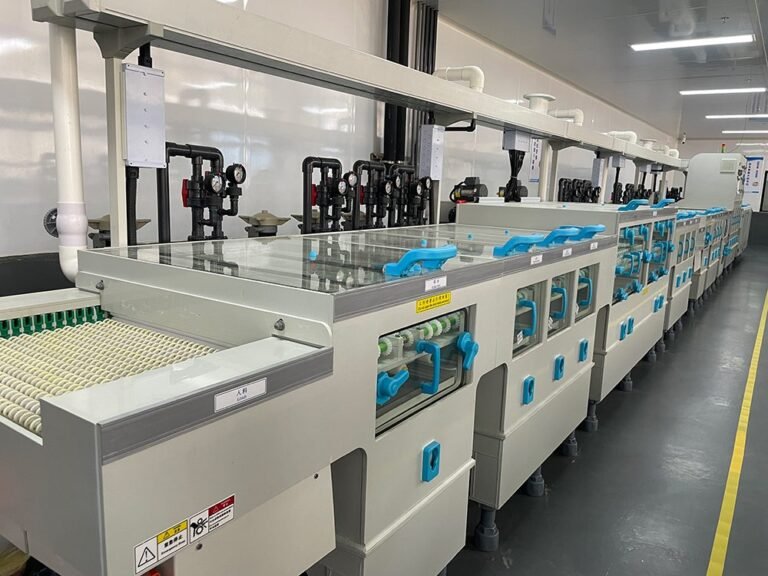
Nylon brush rollers are standard consumables installed on horizontal PCB wet process lines, widely used for post-etching and post-developing PCB cleaning.
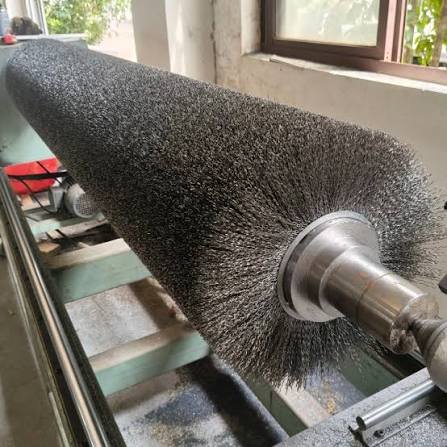
Choose a non-abrasive nylon brush roller when the main task is removing loose particles and residues with minimal intentional copper removal. Choose an abrasive nylon brush roller when the process requires oxide removal, light deburring, or controlled surface conditioning.
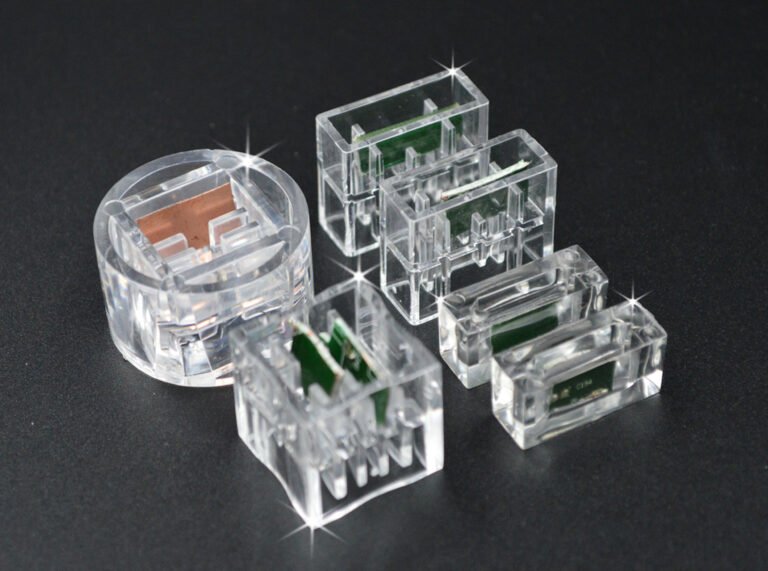
The right PCB mounting mold should match your grinding equipment, mounting method, resin system, and specimen geometry.
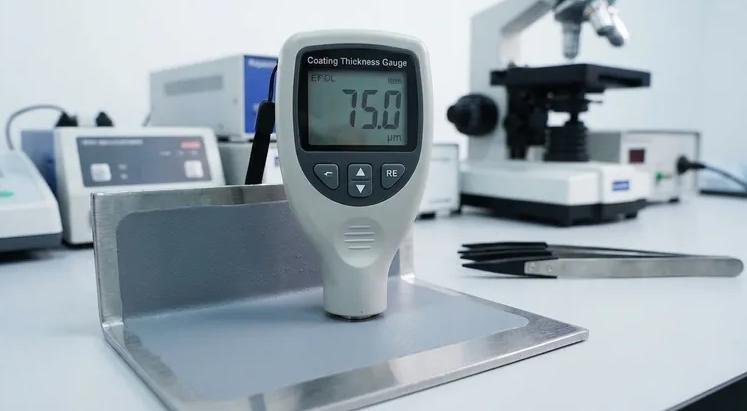
Choosing a thickness gauge for Printed Circuit Board (PCB) manufacturing and Quality Control (QC) inspection requires matching the measurement technology to the specific target layer—whether measuring total board stackup, copper trace/plating thickness, or protective conformal coatings.
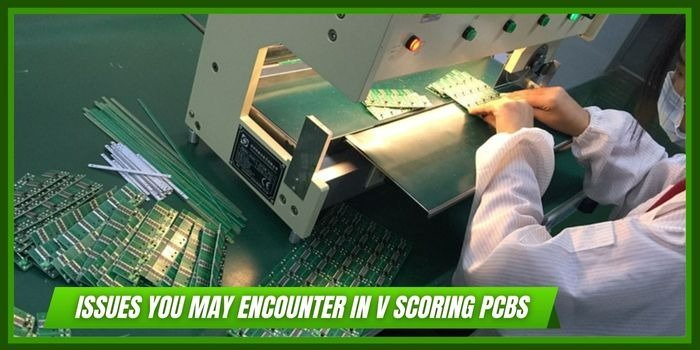
V-Score Remaining Thickness explains how to prepare the instrument, measure consistently, and investigate questionable results without confusing remaining thickness with groove depth.
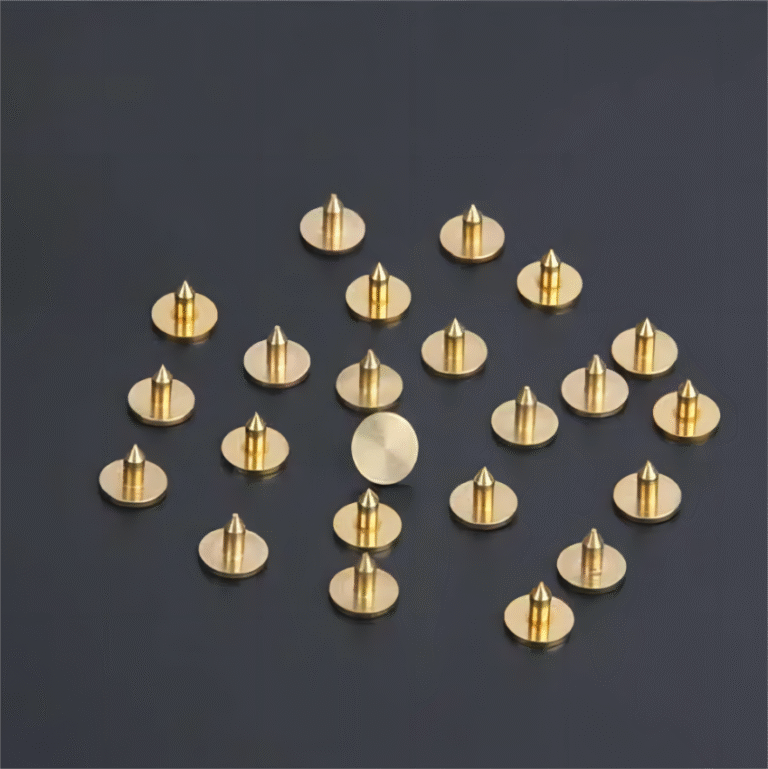
Selecting Locating Pins material, tip geometry, or mounting tolerance results in mechanical binding, hole edge gouging, probe mis-hits, and premature pallet degradation.
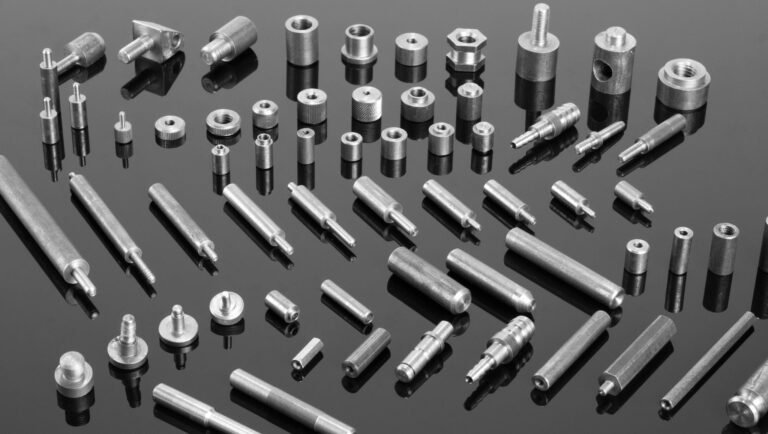
This design guide covers round and diamond pins pairing for SMT fixtures. Explore positioning logic, layout rules, orientation control, fit clearance and common setup mistakes to prevent PCB binding and alignment drift.
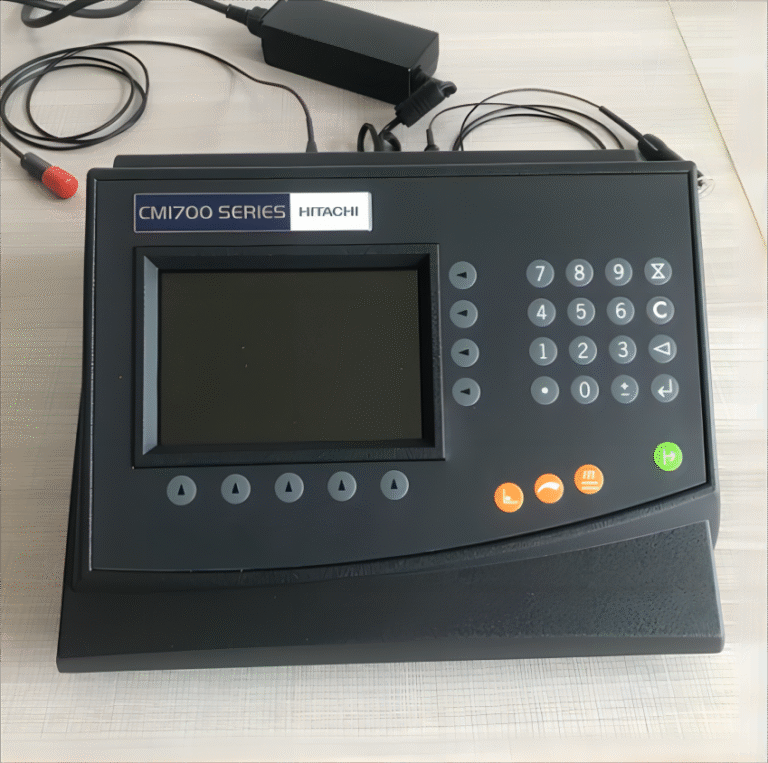
CMI700 coating thickness gauge utilizes micro-resistance technology for non-destructive inspection of copper thickness inside holes.
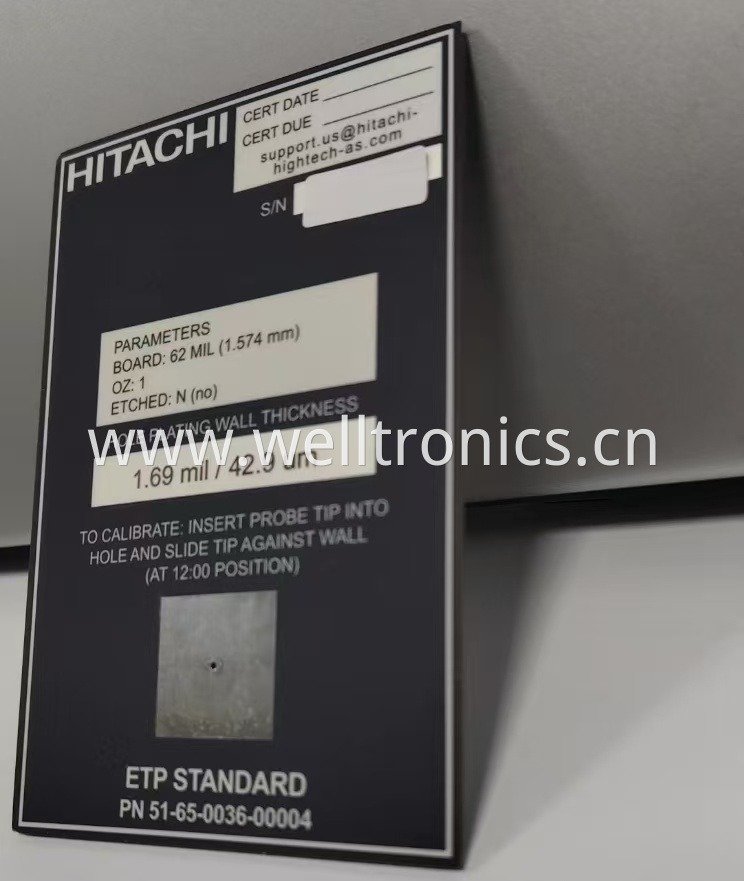
Types of Calibration Plates | Selection Guide: Functional Materials, Patterns & PCB Metrology
 English
 German
 French
 Spanish
 Vietnamese
 Russian