
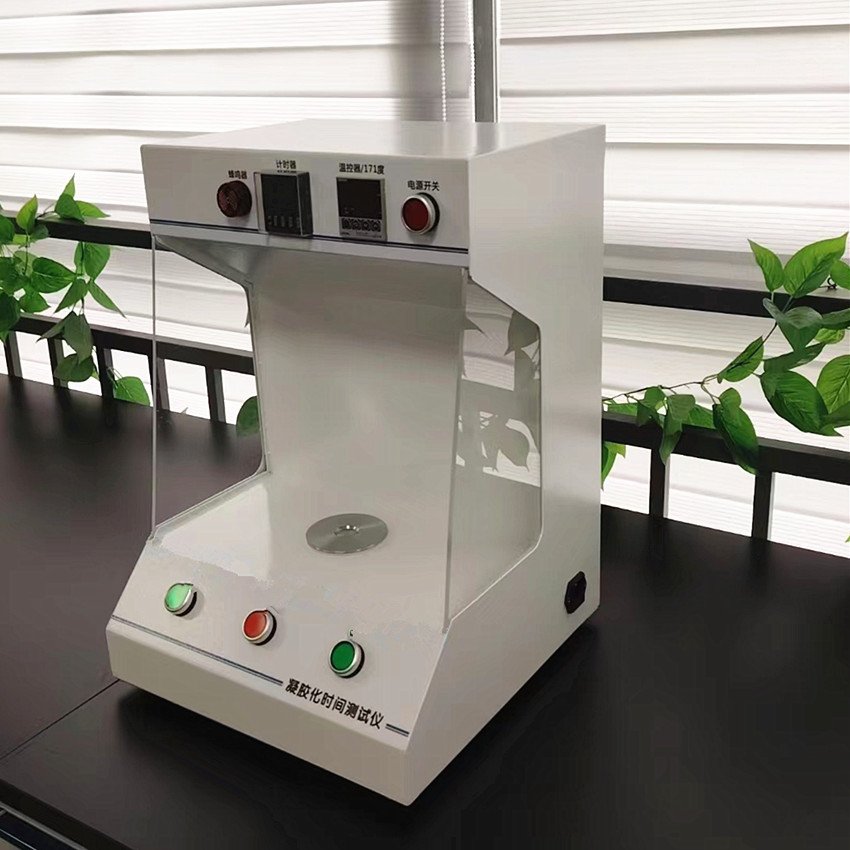
Gel Timer For Prepreg
$1,300.00
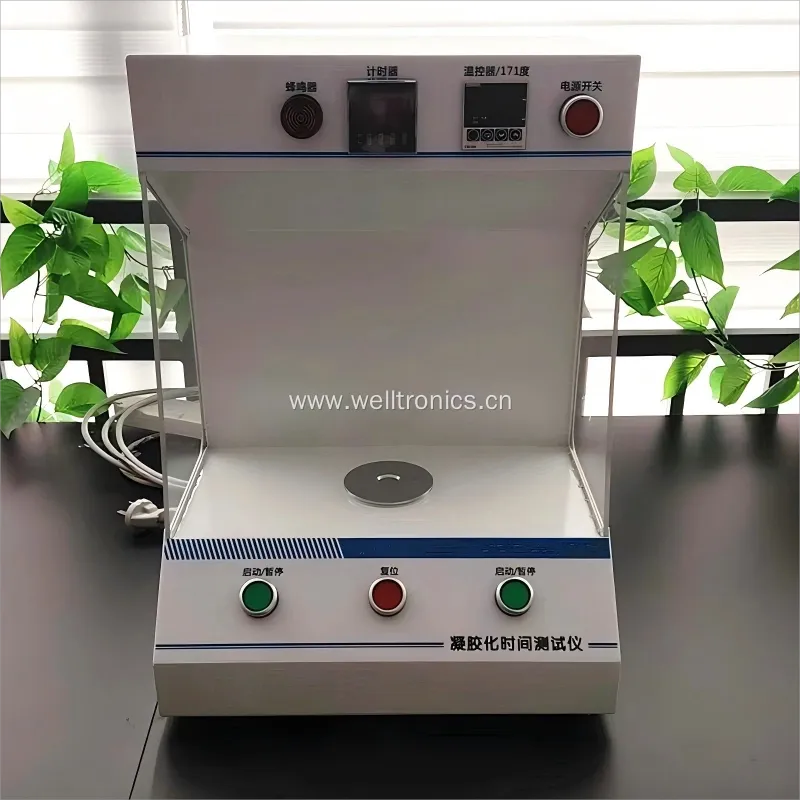
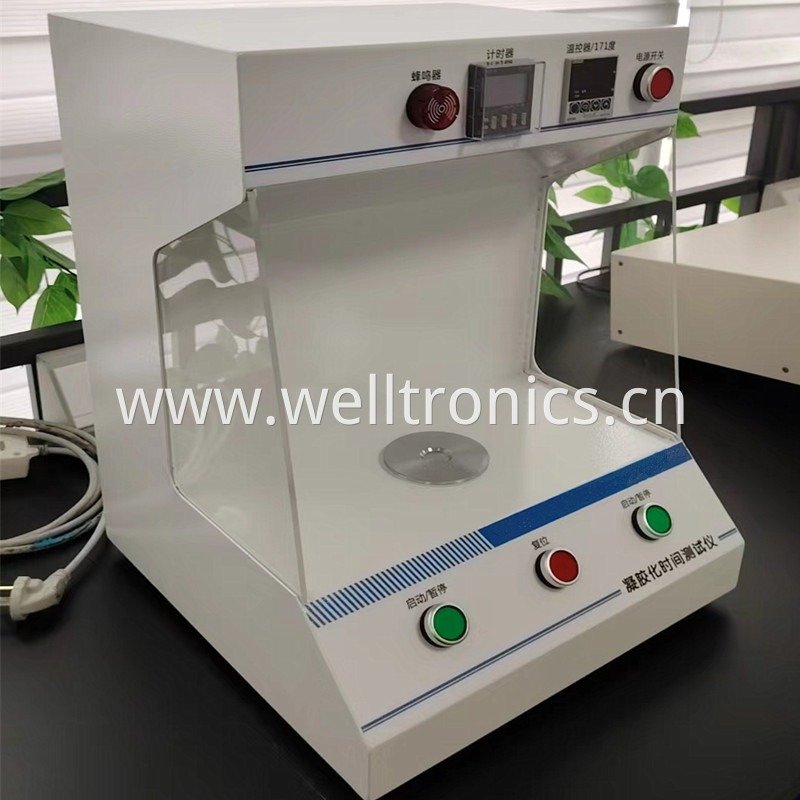
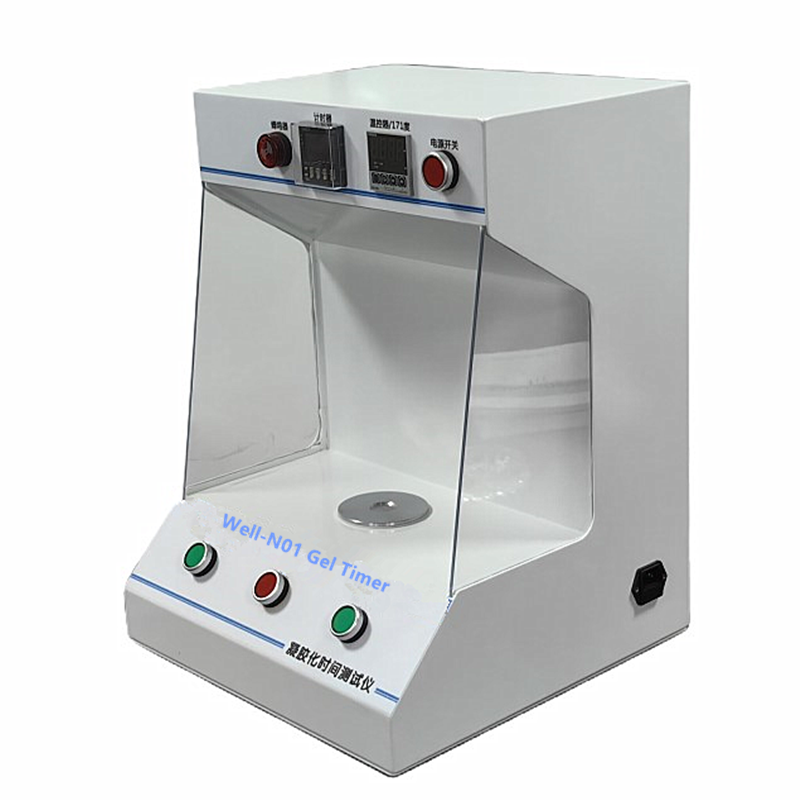
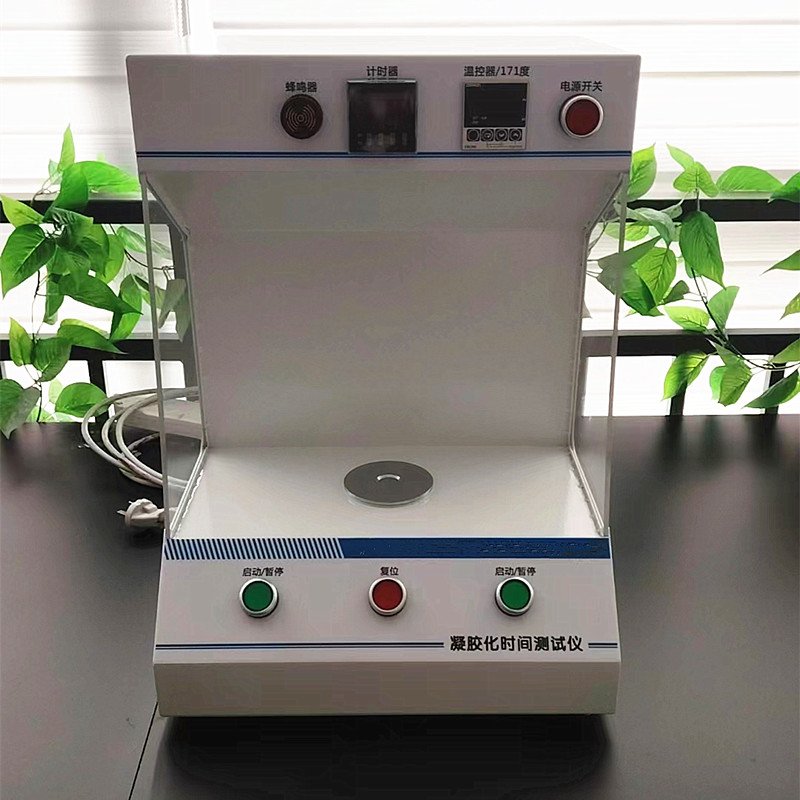
Gel Timer is a specialized laboratory instrument used to accurately measure gel time under specific heating conditions, which is crucial for controlling PCB lamination processes.
Power Supply :220V,50Hz,300W, single phase
Dimension :310 × 310 × 410mm (W × D × H)
Weight :12kg(Not including packing)
1.Gel Timer Overview
As a key testing instrument in the field of materials science, gelation timers accurately measure the gelation time of materials such as resins, adhesives, and coatings, providing key process parameters for industries such as chemical production, composite materials manufacturing, and electronic packaging. This article provides an in-depth analysis from four perspectives: technical principles, core functions, application scenarios, and performance parameters.
2.Technical Principles and Device Configuration
Gel Timer detect changes in physical properties during the transition from liquid to gel. Their core operating principles encompass three technical approaches:
Torque-viscosity monitoring: A standard rotor rotates through the sample. When the gel point is reached, a sudden increase in viscosity causes the rotor to stall or the torque exceeds a threshold, and the instrument automatically records the time. For example, the Serrit model uses a rated torque to drive the rotor, and the timer terminates when the viscosity reaches 1000 mPa·s.
Resistance-surge detection: This method utilizes changes in conductivity during the gelation process. When the material transitions from an insulating state to a conductive state, a sudden change in circuit parameters triggers the timer. This method has an error rate of less than 0.3% for phenolic resin testing. Optical transmission analysis: The gel state is determined by the attenuation of infrared light as it passes through the sample. It is suitable for transparent or translucent materials.
3.Gel Timer of four main modules:
Temperature Control System: Utilizes Omron solid-state relay PID control, enabling temperature regulation from room temperature to 380°C, with a temperature fluctuation of ≤±0.5°C. The JC502-YNG01 model, used in the copper-clad laminate industry, uses digital PID control to improve the gel tank temperature stability to ±0.3°C.
Detection Unit: Includes a high-precision torque sensor (resolution 0.01 mN·m) and a micro-rotor (optional diameter 5-20 mm), capable of detecting time changes down to 0.1 seconds.
Data Display System: Equipped with a 4.3-inch LED LCD screen, it supports real-time curve plotting and data storage (capacity ≥1000 sets). The four-channel design of the ZRX-25744 model allows for simultaneous monitoring of four samples.
Safety Devices: Integrated overcurrent protection (automatic power-off at ≥10A), leakage protection (response time <0.1s), and anti-scald insulation ensure operational safety.
4.Core Functions and Technical Advantages
Multi-Scenario Adaptability:
The temperature range covers -20°C to 380°C, meeting the testing requirements of diverse materials such as epoxy resin (120-180°C), polyurethane (60-100°C), and silicone rubber (150-220°C).
It supports dynamic testing mode, simulating the flow curing process on a production line. For example, the gel time of powder coating at 180°C is measured with an error of less than 2%.
Intelligent Operation:
The dual start button design (one on each side) enables convenient control for both right-handed and left-handed operators, improving experimental efficiency by 40%.
Auto-zeroing and data lock functions eliminate human error, achieving a repeatability standard deviation of ≤0.5s when testing 100 sets of samples continuously.
Supporting USB/RS232 data export allows integration with MES systems for real-time production data monitoring.
High-Precision Detection:
Time resolution reaches 0.01s, enabling the capture of the 3-5s gel transition process when measuring fast-curing materials such as acrylic adhesives. Temperature control accuracy of ±0.5°C ensures experimental repeatability. In comparative testing, the standard deviation of gel time across different batches of samples was less than 1.2%.
5.Standard Configuration
| No | Item | Model | Q’ty | Note |
| 1 | Gel timer | Well-GT01 | 1 set | Standard |
| 2 | Sampling scoop | / | 1 pcs | Standard |
| 3 | Filter screen mesh | / | 1 pcs | Standard |
| 4 | Paraffin | / | 1 pcs | Standard |
| 5 | Operation manual | / | 1 pcs |
Consumable or quick-wear parts:
| Spare parts | Origin | Type |
| Filter scree | China | consumables |
| sampling spoon | China | Quick-ware parts |
| Paraffin | China | consumables |
6.Gel time tester Application Areas
Electronic Packaging Material R&D:
In the production of epoxy molding compound (EMC) for semiconductor packaging, controlling the gel time (typically 80-120 seconds) optimizes the balance between curing speed and flowability. After implementing this equipment, one company increased its product yield from 92% to 97%, saving over 2 million yuan annually per line.
Composite Material Manufacturing:
In the production of carbon fiber prepreg, the gel time of the resin matrix directly impacts the layup process window. Using a high-temperature tester (such as the YGT-B) can accurately measure gel properties at 350°C, improving the interlaminar shear strength of the composite material by 15%.
Powder Coating Industry:
By examining the effects of different pigment systems on curing speed, one company reduced the gel time of outdoor powder coatings from 180 seconds to 150 seconds while maintaining an impact strength of ≥50 kg·cm, increasing its market share by 8 percentage points. Adhesive Performance Optimization:
In structural adhesive development, the tester can quantify the effect of varying curing agent ratios on gel time. Experimental data shows that increasing the accelerator content from 1.5% to 2.0% reduces gel time from 120 seconds to 85 seconds, while maintaining shear strength.


 Vietnamese
  English
  German
  French
  Spanish
  Russian