
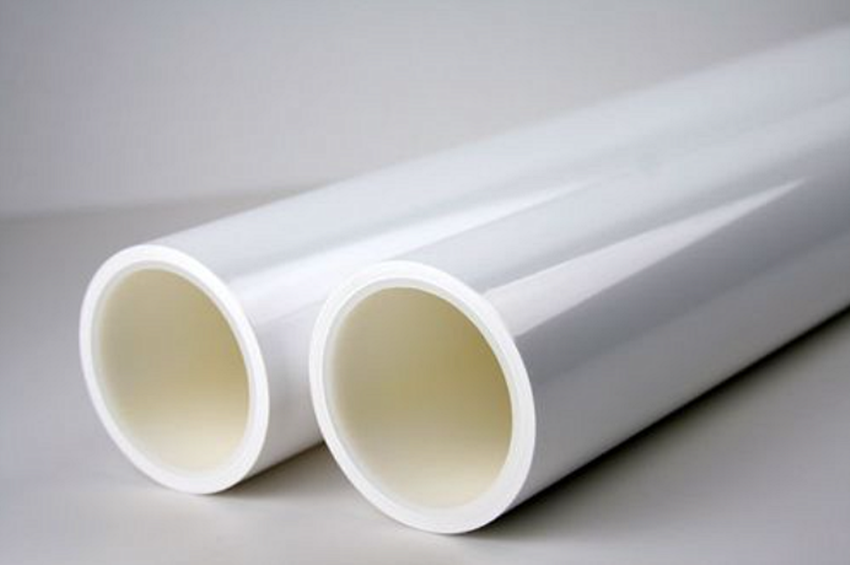
PP Sticky Roller
$50 – $7
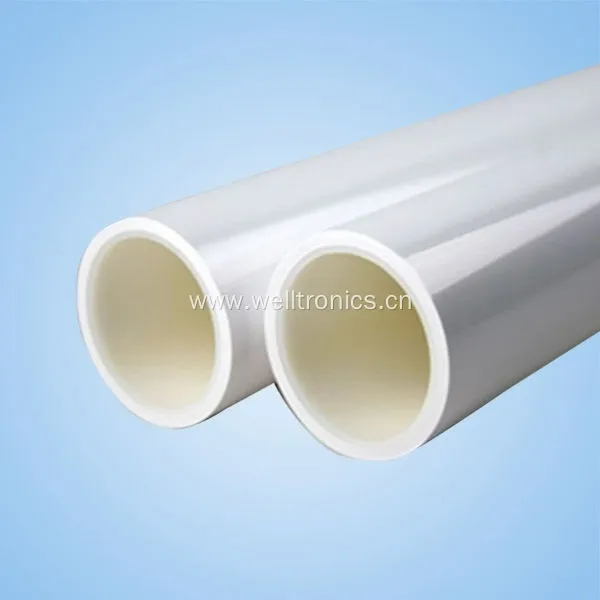
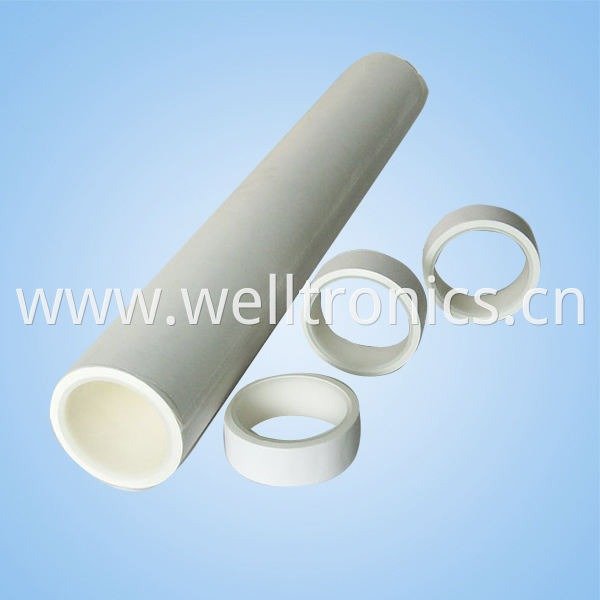
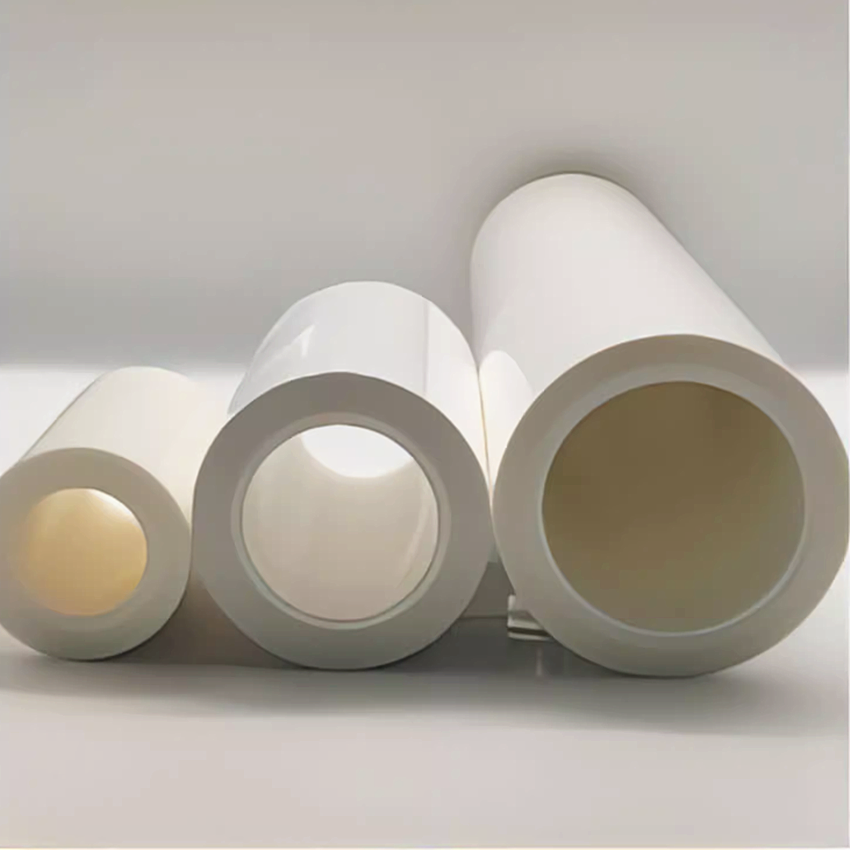
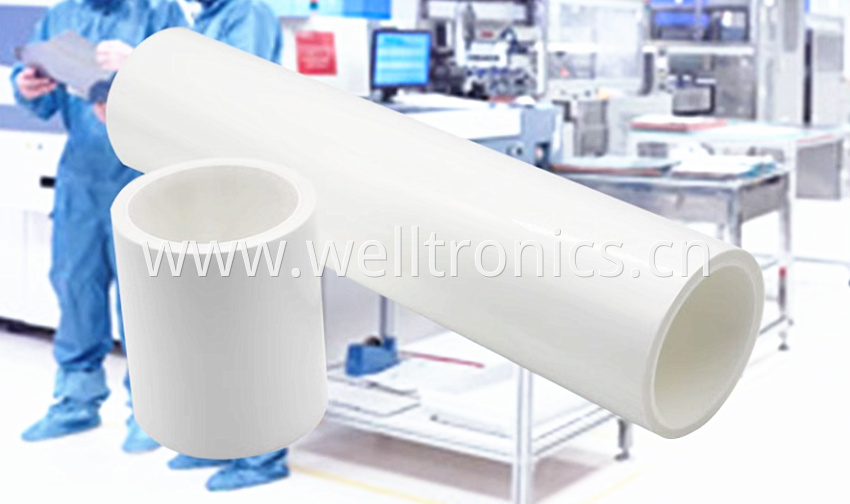
PP Sticky Roller is cleaning tools made of polypropylene adhesive paper which used on PCB cleaning machine to quick and effectively remove dust and other impurities from surfaces of PCB
1.PP Sticky Roller Overview
Adhesive Roller, a cutting-edge cleaning consumable developed by the UK-based Teknek company, represents a breakthrough in contamination management for precision electronics manufacturing. Designed specifically for PCB, FPC, glass substrate, and other high-purity surfaces, this system achieves dust-free production through an innovative dual-component mechanism: a silicone-based Sticky Roller paired with a replaceable adhesive paper roll (peel-off paper). The core functionality enables efficient dust transfer from production surfaces to the adhesive paper, maintaining optimal cleanliness throughout manufacturing processes.
2.Technical Mechanism
The system operates through a two-stage dust transfer process:
Primary Capture: The silicone sticky roller (Shore A hardness 40±5) makes direct contact with the target surface, capturing particles through molecular adhesion forces. Its micro-textured surface increases contact area by 300% compared to conventional rollers, enabling efficient removal of 0.3μm and larger particles.
Secondary Transfer: The adhesive paper roll, featuring a specially formulated pressure-sensitive adhesive (PSA), contacts the sticky roller through a protective peel-off layer. This transfers captured contaminants from the roller to the paper surface with 99.97% efficiency. Regular replacement of the saturated paper roll (recommended every 8-12 production hours) restores the system’s cleaning capacity.
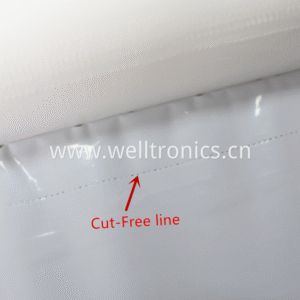
Technical data
| Name | sticky paper roll(adhesive paper roll) |
| Usage | For PCB cleaning Machine |
| Base material | PP pearlescent film |
| Thickness | 0.085mm |
| Tensile strength | crosswise>=100N,lengthways>=50N |
| elongation at break | crosswise<=80%,lengthways<=200% |
| Thermal shrinkage rate | crosswise<=2.0%,lengthways<=4.0% |
| Glue | Acrylic pressure sensitive adhesive |
| Specification | W650mm*L20mtr(width50mm—1360mm) |
| Color | White |
| ID | 1.5″(38MM),3″(76.2MM),ECT |
| Working Temp | -10℃-90℃ |
| Packing | 4rolls/carton |
sticky paper roll Technical Advantages
High-Performance Adhesion
Viscosity range: 800-1,200g/25mm (ASTM D3330 compliant)
Particle capture efficiency: ≥99.7% for particles ≥0.5μm
Zero adhesive transfer upon peeling, eliminating secondary contamination risks
Electrostatic Discharge (ESD) Protection
Surface resistance: ≤1×10⁹Ω (IEC 61340-5-1 standard)
Effective prevention of static-induced damage to MOSFETs, MEMS sensors, and other electrostatic-sensitive devices
Operational Reliability
Stable peel force: 0.5-1.5N/cm ensures consistent adhesive performance
Temperature tolerance: -10℃ to 60℃ operational range
Humidity resistance: Maintains adhesion efficacy at 10-90% RH
Cost Efficiency
Single roll coverage: 500-1,000m² (300mm width)
Lifespan extension: 3× longer than conventional tacky mats
Material consumption reduction: 45% less adhesive waste compared to gel-based systems
3.Performance Data
PCB Manufacturing:
Particle reduction: 99.7% for ≥0.5μm contaminants
Yield improvement: 15-20% increase in first-pass yield
Cost savings: 30% lower operating expenses vs. traditional wiping methods
Semiconductor Packaging:
Compliance: Meets Class 100 (ISO 5) cleanroom standards
Lead frame cleaning: Residual particle count ≤5 particles/cm²
Wafer handling: Static decay time <0.1s (per MIL-STD-3010)
Display Panel Production:
Glass substrate cleaning: Surface particle density ≤10 particles/cm²
Polarizer lamination: Defect rate reduction from 2.1% to 0.3%
Adhesive roll durability: 2-3 weeks continuous use in 8-hour shifts
4.Application Scenarios
PCB/FPC Manufacturing
Critical processes: Post-etch cleaning, solder mask pre-treatment, SMT pad preparation
Defect mitigation: Eliminates short circuits caused by conductive particles (e.g., copper flakes) and cold solder joints from organic contaminants
Semiconductor Packaging
Key applications: Wafer dicing debris removal, lead frame surface purification, die attach pre-cleaning
Compliance requirement: ESD protection per JEDEC J-STD-033 standards
Display Technologies (LCD/OLED)
Process optimization: Glass substrate final cleaning, polarizer bonding surface preparation
Quality control: Particle counter validation (TSI 9306) for ≤10 particles/cm² compliance
Precision Industries
Optical manufacturing: Lens coating pre-cleaning (particle size control ≤5μm)
Printing: High-resolution plate cleaning (eliminates dot gain defects)
Pharmaceutical: Cleanroom equipment maintenance (validated per ISO 14644-1)
Environmental & Economic Benefits
Sustainability: Reduces solvent use by 80% compared to wet cleaning methods
Waste management: Single-component adhesive rolls enable 100% recyclability
ROI: Payback period of 6-8 months through yield improvements and reduced rework costs
FAQ
Q1: What are the advantages of sticky paper rolls compared to traditional cleaning methods (such as dust-free cloth wiping)?
A:
Higher efficiency: dust-free cloths need to be wiped repeatedly, and dead corners are easily missed; sticky paper rolls achieve full coverage cleaning through roller contact.
Avoid secondary pollution: dust-free cloth wiping may leave residual fibers or chemicals, and sticky paper rolls have no residue after peeling.
Data-based control: The cleaning area and particle capture rate of a single roll can be counted to facilitate quality traceability.
Q2: How to choose a suitable sticky paper roll model?
A:
According to viscosity requirements: high viscosity (1000-1200 g/25 mm) is suitable for heavy pollution scenarios (such as after PCB etching), and low viscosity (800-1000 g/25 mm) is suitable for sensitive components (such as wafers).
Match by width: The width of the sticky paper roll must be consistent with the sticky roller (common specifications: 100 mm, 200 mm, 300 mm).
According to the antistatic level: the semiconductor field needs to choose a model with a surface resistance of ≤10⁸ ohms.
Q3: What factors affect the service life of adhesive rolls?
A:
Pollution level: High dust environment (such as welding workshop) requires more frequent replacement.
Workshop temperature and humidity: High temperature and high humidity may cause the viscosity of the glue to decrease. It is recommended to control the temperature and humidity at 22℃±2℃ and 55%±10% relative humidity.
Operation specification: Too fast peeling speed or uneven roller pressure may shorten the life.
Q4: How environmentally friendly is Teknek adhesive roll?
A:
Recyclable materials: The adhesive roll base material is PP film, and the peeling paper is release paper, both of which can be recycled and reused.
No harmful substances: The glue is RoHS and REACH certified and does not contain halogens or heavy metals.


 Vietnamese
  English
  German
  French
  Spanish
  Russian