
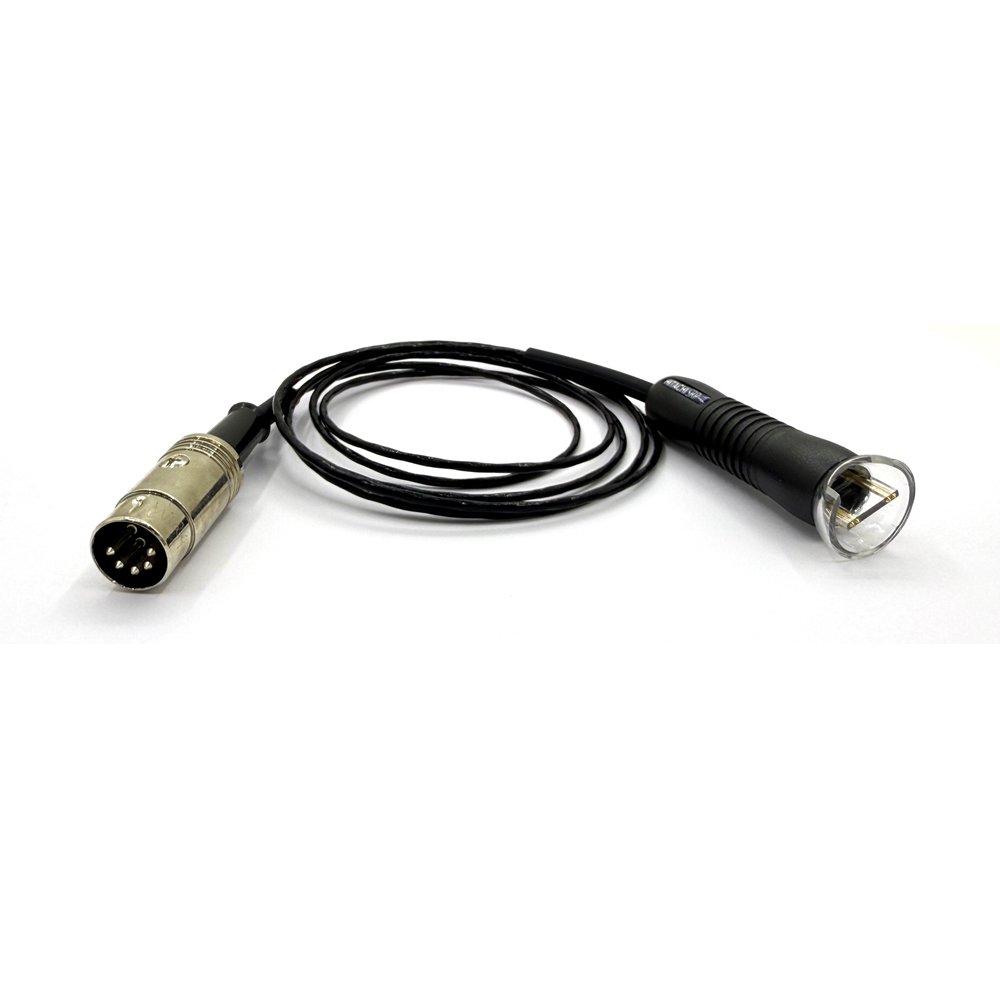
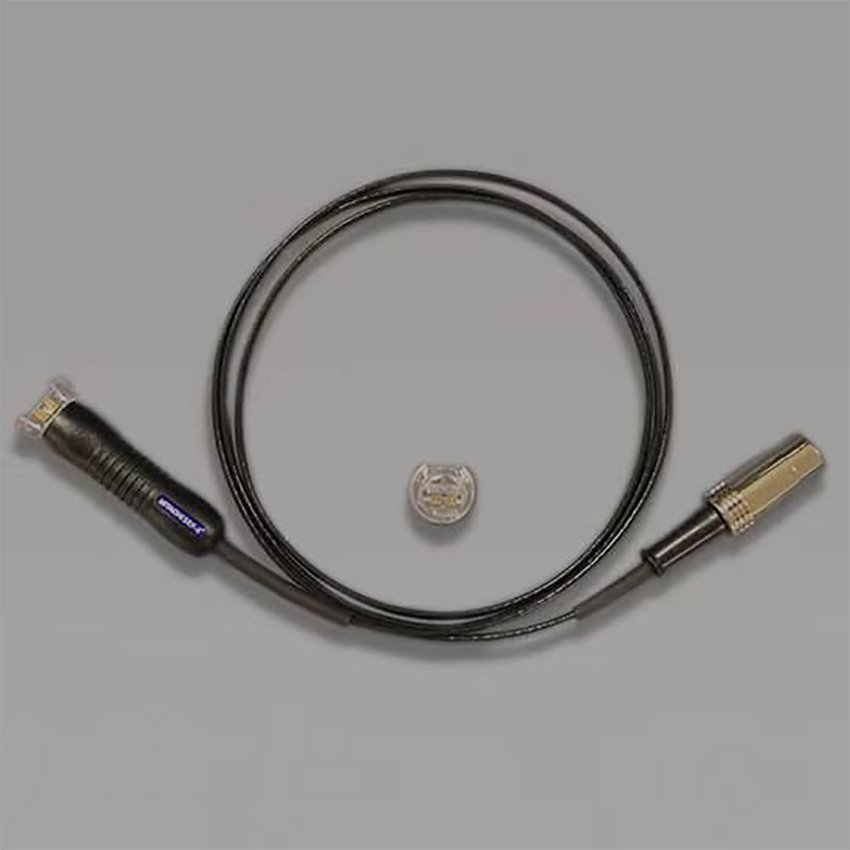
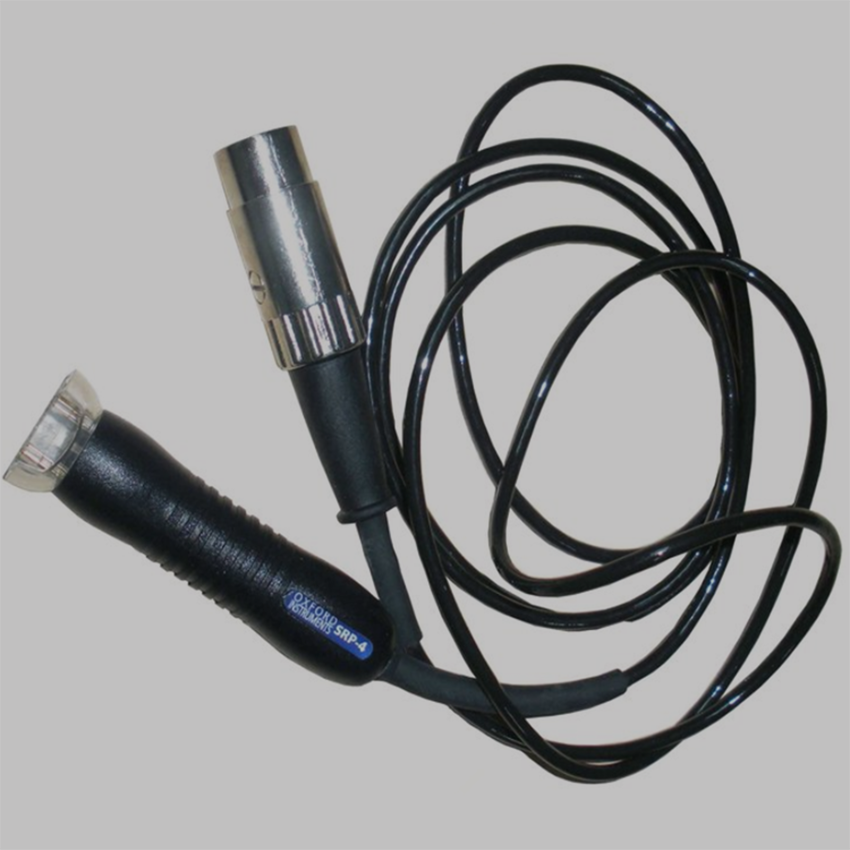
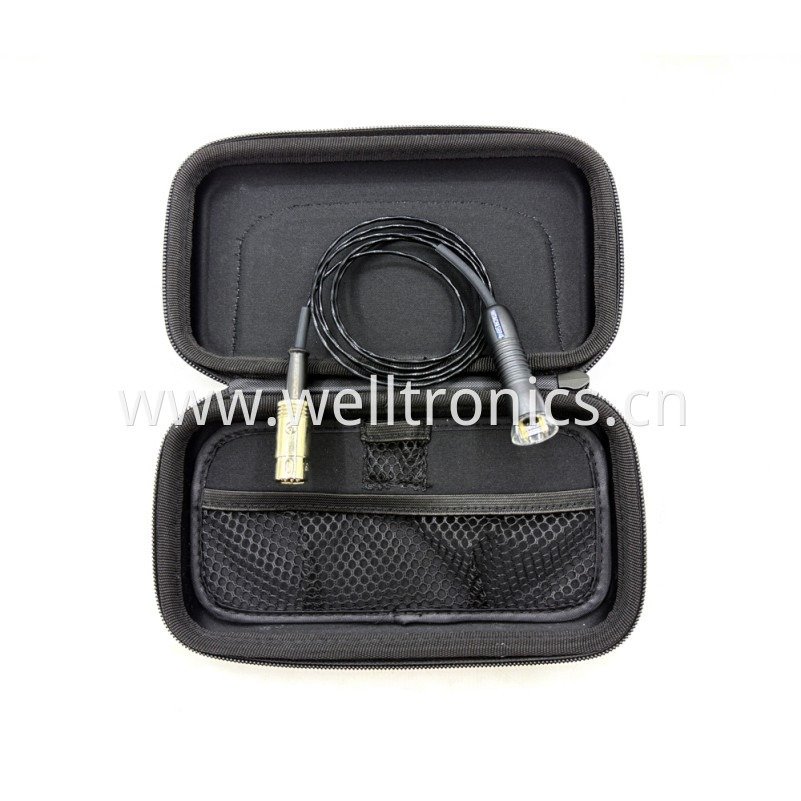
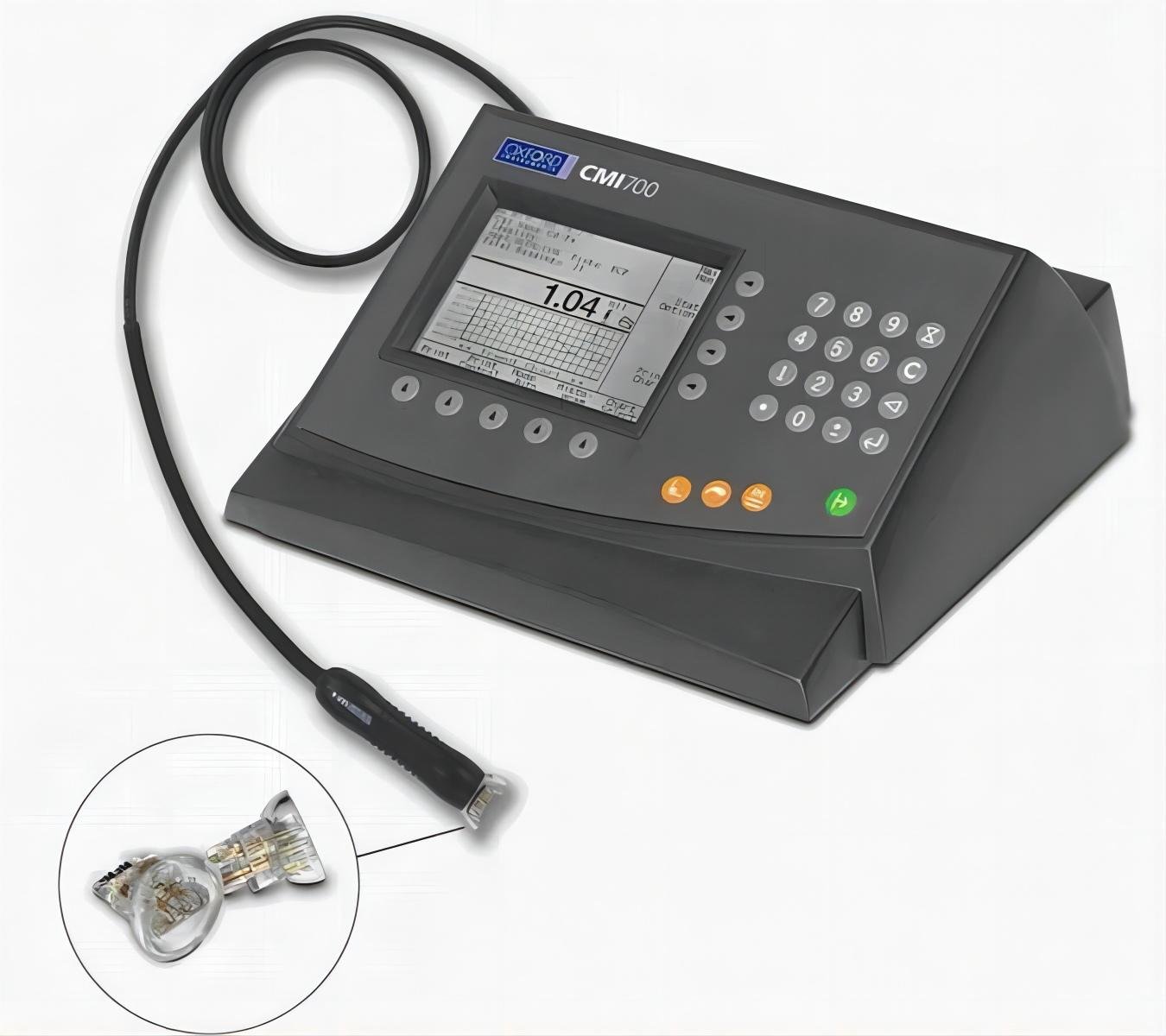
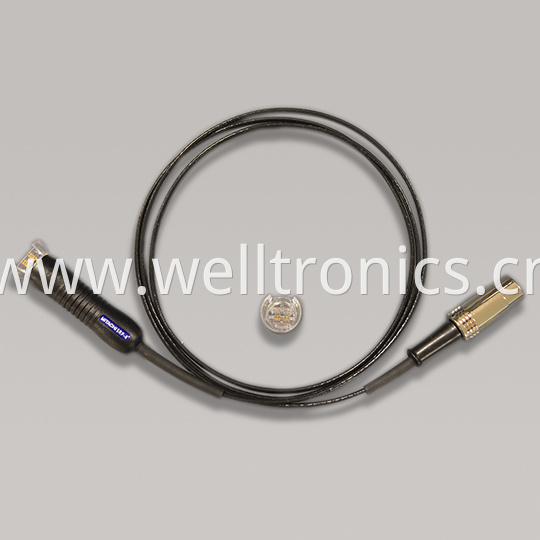
Hitachi CMI700 SRP-4 Probe
$1,100.00
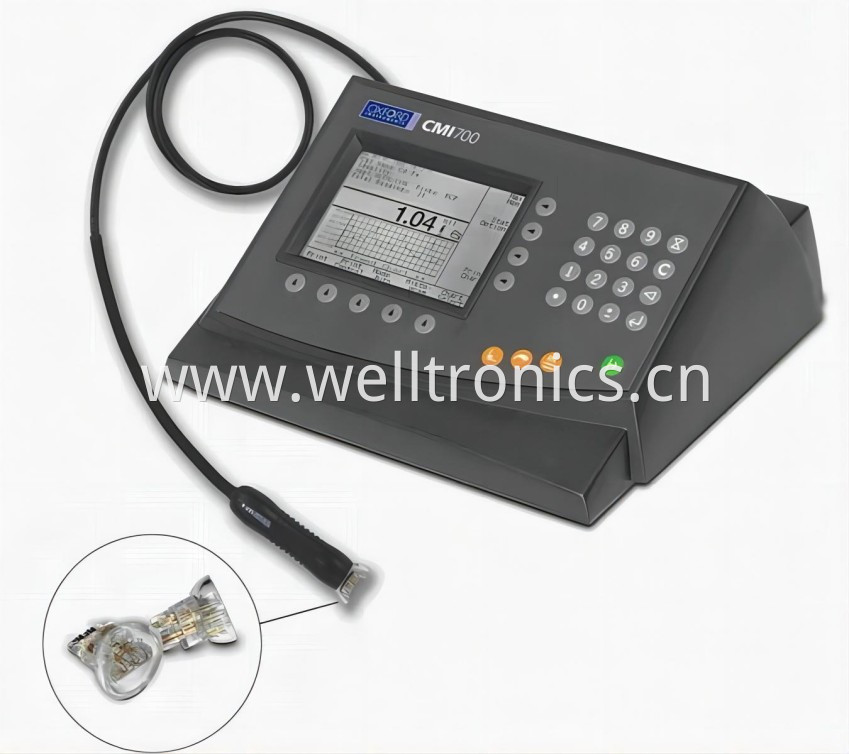
Hitachi CMI700 SRP-4 Probe is a four-point micro-resistance probe used with the Hitachi/Oxford CMI series coating thickness gauges for high-precision, non-destructive measurement of surface copper thickness on PCBs.
I. Definition and Core Function of the SRP-4 probe
The SRP-4 probe is a contact sensor based on four-wire micro-resistance measurement technology, optimized for measuring copper thickness on PCB surfaces. Unlike traditional mechanical measurement tools (such as micrometers), the SRP-4 uses independent current and voltage transmission paths to completely eliminate interference from wire resistance, enabling precise capture of minute resistance changes.
In PCB manufacturing, copper thickness is a key parameter determining circuit performance, reliability, and production yield. The Hitachi SRP-4 Probe , a micro-resistance measurement tool specifically designed for copper thickness measurement, has become a key quality control tool in the industry thanks to its high accuracy, non-destructive nature, and real-time data feedback.
Core Function:
Thickness Inversion: Copper thickness is inversely proportional to its resistance. The SRP-4 automatically calculates copper thickness by measuring the resistance of copper foil and combining it with known copper material properties (such as resistivity). For example, if the copper foil resistance in a certain area is significantly below the standard value, the system will immediately indicate that the copper thickness exceeds the standard, preventing the risk of short circuits caused by excessive copper thickness. Process Monitoring: During key PCB production processes such as etching and plating, the SRP-4 monitors copper thickness changes in real time. If etching time is too long, resulting in insufficient copper thickness, or if plating current is unstable, resulting in an excessively thick copper layer, the sensor immediately issues an alarm, enabling the operator to adjust process parameters promptly to avoid batch defects.
Material Verification: Rapidly verify that copper foil raw materials meet design specifications. For example, a high-end server PCB manufacturer requires a copper thickness tolerance of ±0.5 microns. The SRP-4 completes this inspection in under one second and automatically flags unqualified material to prevent it from entering the production line.
II. Application Areas: Covering the Entire PCB Lifecycle
Raw Material Inspection
During the incoming copper foil warehouse, the SRP-4 verifies the thickness uniformity of coils or sheets. A communications equipment manufacturer previously failed to strictly inspect copper foil thickness, resulting in large-scale open circuit defects in the subsequent etching process. After implementing the SRP-4, these issues were completely eliminated.
Inner Layer Circuitry Manufacturing
After pattern transfer, the SRP-4 Probe measures circuit copper thickness to ensure it meets the design current-carrying capacity. For example, the copper thickness of a new energy vehicle BMS module must be ≥35 microns. The SRP-4’s inspection accuracy reaches ±0.1 microns, far exceeding the ±1 micron error of traditional methods.
External Layer Etching Control
Etching is the process most prone to thickness variation in PCB manufacturing. The SRP-4 Probe can be embedded within the etching line to perform 100% inspection on every board. Using real-time data feedback, a consumer electronics manufacturer reduced the standard deviation of post-etch copper thickness from 0.3 microns to 0.1 microns, significantly improving signal integrity.
Hole Copper Quality Verification
Combined with a dedicated hole copper probe, the SRP-4 Probe can measure the copper thickness inside through-holes. In automotive electronics, hole copper thickness must be ≥20 microns to meet vibration and thermal cycling requirements. The SRP-4 Probe inspection speed is 50 times faster than traditional slicing methods and is non-destructive.
Semiconductor Packaging
In wafer-level packaging (WLP), the SRP-4 Probe is used to measure the thickness of copper pillar bumps. A chip packaging plant increased its yield from 85% to 98% by controlling copper pillar thickness tolerance within ±0.5 microns.
III. CMI700 SRP-4 Probe Data Features:
Ultra-precision Measurement Capabilities
Chemical Copper Inspection: Range 0.25-12.7 microns, accuracy ±0.1 micron, suitable for thin copper inspection during the copper deposition process.
Electroplated Copper Inspection: Range 2.5-152 microns, accuracy ±1%, covering mainstream PCB copper thickness requirements.
Resolution Advantage: Capable of distinguishing differences of 0.01 micron even at <1 micron, meeting the inspection requirements of precision circuits such as 5G high-frequency boards.
Real-time Data Statistics and Analysis
Multi-parameter Display: Simultaneously displays the average, standard deviation, and maximum/minimum values during measurement, helping operators quickly assess process stability. For example, if the standard deviation of copper thickness across 10 consecutive boards exceeds 0.2 microns, the system will prompt the operator to check the etching solution concentration.
Data Export and Traceability: Supports Excel export and can be integrated with systems such as MES and SPC for long-term traceability of quality data. An avionics manufacturer successfully attributed copper thickness fluctuations to ambient temperature changes by analyzing historical data and optimized its workshop temperature control system.
Flexible Unit Switching
Three unit options are available: mil, micron, and oz/ft², adapting to different industry standards. For example, European and American manufacturers often use mils, while Asian manufacturers prefer microns. The SRP-4 Probe allows for one-click switching, eliminating unit conversion errors.
Fast Measurement and Convenient Operation
Handheld Design: Completes measurements in under one second, increasing efficiency by over 10 times compared to traditional micrometers. After implementing the SRP-4 Probe , a large-scale PCB manufacturer increased its single-line inspection capacity from 2,000 to 5,000 boards per day.
Probe Tip Durability: Made of carbide, it offers a lifespan of up to 500,000 contact cycles. A soft probe option prevents scratches on the copper foil surface, protecting sample integrity.
Temperature Compensation and Calibration Support
A built-in temperature sensor automatically corrects for the effects of ambient temperature on copper resistance. For example, in a 30°C workshop environment, the system automatically corrects measurements to those at standard conditions of 20°C. Support for NIST calibration standards ensures measurement results comply with international certifications such as ISO-17025. A medical electronics manufacturer has managed to control annual device drift to within 0.05 microns through regular calibration.





 Vietnamese
  English
  German
  French
  Spanish
  Russian