

PVA Sponge Roller
$5 – $200
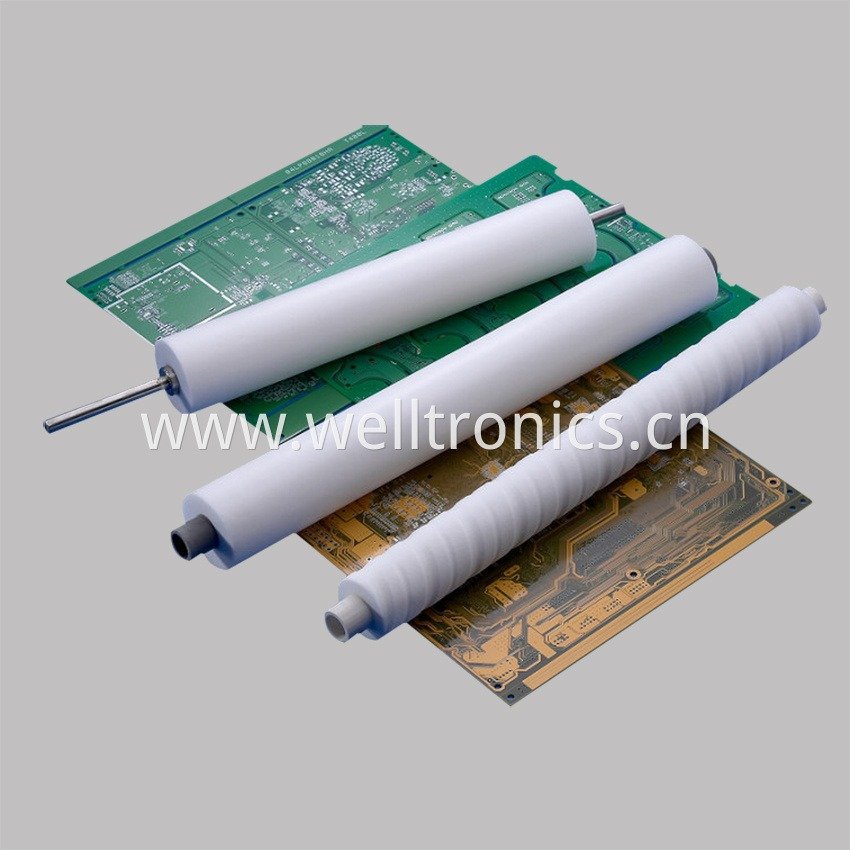
PVA Sponge Roller is a highly absorbent roller made from polyvinyl alcohol (PVA) sponge, ideal for smooth, lint-free application of coatings, inks, and precision cleaning tasks.
Material: PVA sponge
Size: 16*40*700*730mm
Shape : roller shape with/without tube
Color: White, cream, light green (customize)
1. Overview of PVA Sponge Roller Technology
A PVA sponge roller (often simply called a PVA Roller) is a highly porous, open-cell synthetic sponge. Its most defining characteristic is its affinity for water; unlike a standard sponge roller that might repel liquid initially, a PVA roller can absorb several times its own weight in water almost instantaneously.
While a sea sponge roller is prized for its organic sponge roller texture in artistic applications, the industrial PVA absorbent roller is engineered for consistency. These rollers are typically used in automated “scrubber” or “dryer” modules where they rotate at controlled speeds to lift liquids off flat surfaces. Because of their synthetic nature, roller brush manufacturers can customize the pore size, hardness, and diameter—from a sponge roller 4 inch for delicate electronics to a sponge roller large format for architectural glass.
2. Key Characteristics of PVA Rollers
The reason industrial engineers specify pva sponge roller over a Vinyl sponge roller or PU sponge roller comes down to its unique material characteristics:
Extreme Absorbency: The capillary action within a PVA absorbent roller is unparalleled. It can suck moisture out of microscopic grooves, leaving a surface bone-dry in a single pass.
Lint-Free Performance: Unlike a 9 inch foam paint roller used in home renovation, high-grade industrial PVA rollers do not shed fibers. This is crucial for Electronics Manufacturing where a single particle could ruin a circuit.
Softness and Elasticity: When wet, the roller becomes incredibly soft, ensuring that it provides a “non-destructive” touch to delicate substrates.
Chemical Resistance: While often used with pure water, a Chemical resistant foam roller made of treated PVA can withstand various cleaning agents and mild solvents used in the Surface Finishing Industry.
3. Advantages Over Conventional Rollers
When comparing a PVA roller for printing or cleaning against other types of sponge rollers, several advantages become clear:
Superior Dehydration
A standard Sponge Rubber Roller primarily pushes liquid across a surface. In contrast, the PVA Roller pulls the liquid into its core. When paired with a “wringer” roller in a machine, the liquid is squeezed out, allowing the sponge to continuously refresh its absorbent capacity.
Durability and Cost-Effectiveness
Although the sponge roller price for PVA might be higher than a disposable sponge roller refill, its longevity is significantly better. With proper maintenance, an industrial PVA roller can last for months of continuous operation.
Customizability
Because they are manufactured in a controlled process, you can order a sponge roller set with specific densities. Whether you need a sponge roller brush for applying thin coatings or a high-density version for heavy-duty water removal, the material is highly adaptable.
4. Industrial and Creative Applications
The versatility of the pva sponge roller allows it to span multiple industries, from high-tech factories to art studios.
Semiconductor and PCB Cleaning
In the world of Printed Circuit Board Testing and fabrication, moisture must be removed after the etching and rinsing phases. A sponge roller 4 inch is often used in specialized conveyorized dryers to ensure no water spots are left on the copper traces.
Glass and Mirror Manufacturing
Large-scale glass sheets require perfectly streak-free cleaning. Sponge roller large formats are used in horizontal washing machines to wipe away slurry and water.
Printing and Coating
A PVA roller for printing provides a uniform dampening system. Its ability to hold and release liquid evenly makes it superior to a standard roller brush 4 in offset printing processes.
Decorative Painting and Textures
While industrial use is the primary driver, sponge roller paint techniques have migrated to the DIY sector. Using a sea sponge roller or a sponge roller texture tool can create beautiful, dappled effects on walls. For those looking for sponge painting tips, the key is to keep the roller damp but not dripping, allowing the open-cell structure to leave a distinct “mottled” pattern on the surface.
5. Maintenance and Storage Tips
To maximize the life of your pva sponge roller, you must follow specific protocols. Unlike a PU foam roller which can be stored dry, a PVA roller will become rock-hard if it dries out completely.
Keep it Moist: If the roller dries out, it must be soaked in warm water until it is completely soft before use. Never try to flex a dry PVA roller, as the internal structure will crack.
Anti-Fungal Treatment: Because they hold moisture, they are susceptible to mold. Many roller brush manufacturers recommend storing them in a dilute solution of anti-fungal agent if the machine is idle for long periods.
Regular Wringing: Ensure your machine’s wringer settings are correct. Excessive pressure can deform the sponge roller, while too little pressure will result in poor dehydration.
6. Sourcing and Procurement
When you decide to Buy PVA sponge roller, it is important to verify the specifications with your supplier.
Check the Core: Most industrial rollers come with a PVC or Stainless Steel core. Ensure the core is compatible with your machine’s roller brush 4 or similar spindle sizes.
Inquire about Price: The sponge roller price is often determined by the pore size (measured in microns) and the overall volume of the order.
Refill Availability: For high-volume lines, ensure you have a steady supply of sponge roller refill units to minimize downtime.


 English
  German
  French
  Spanish
  Vietnamese
  Russian