
PCB Metallographic Mold
$1.00
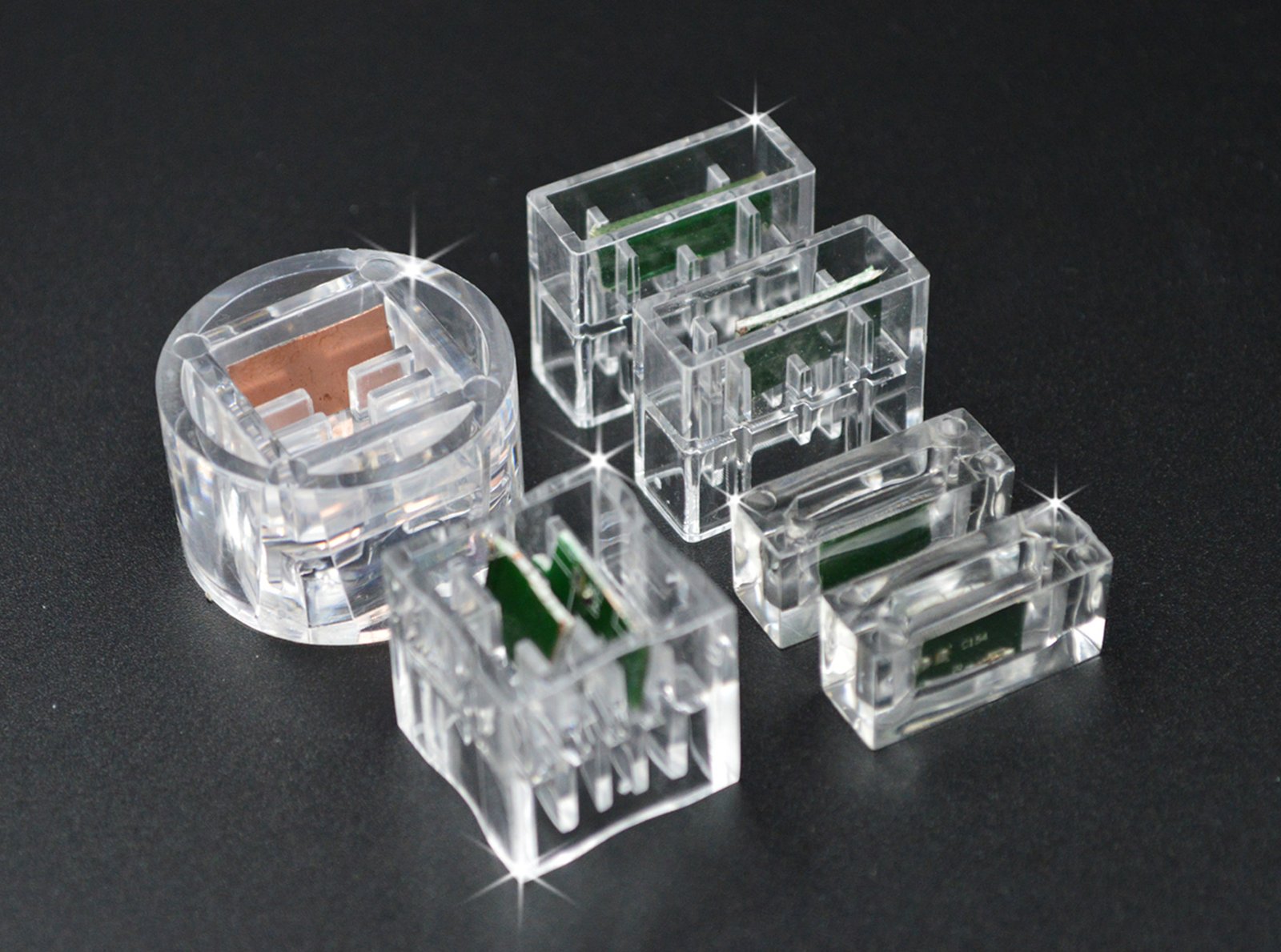
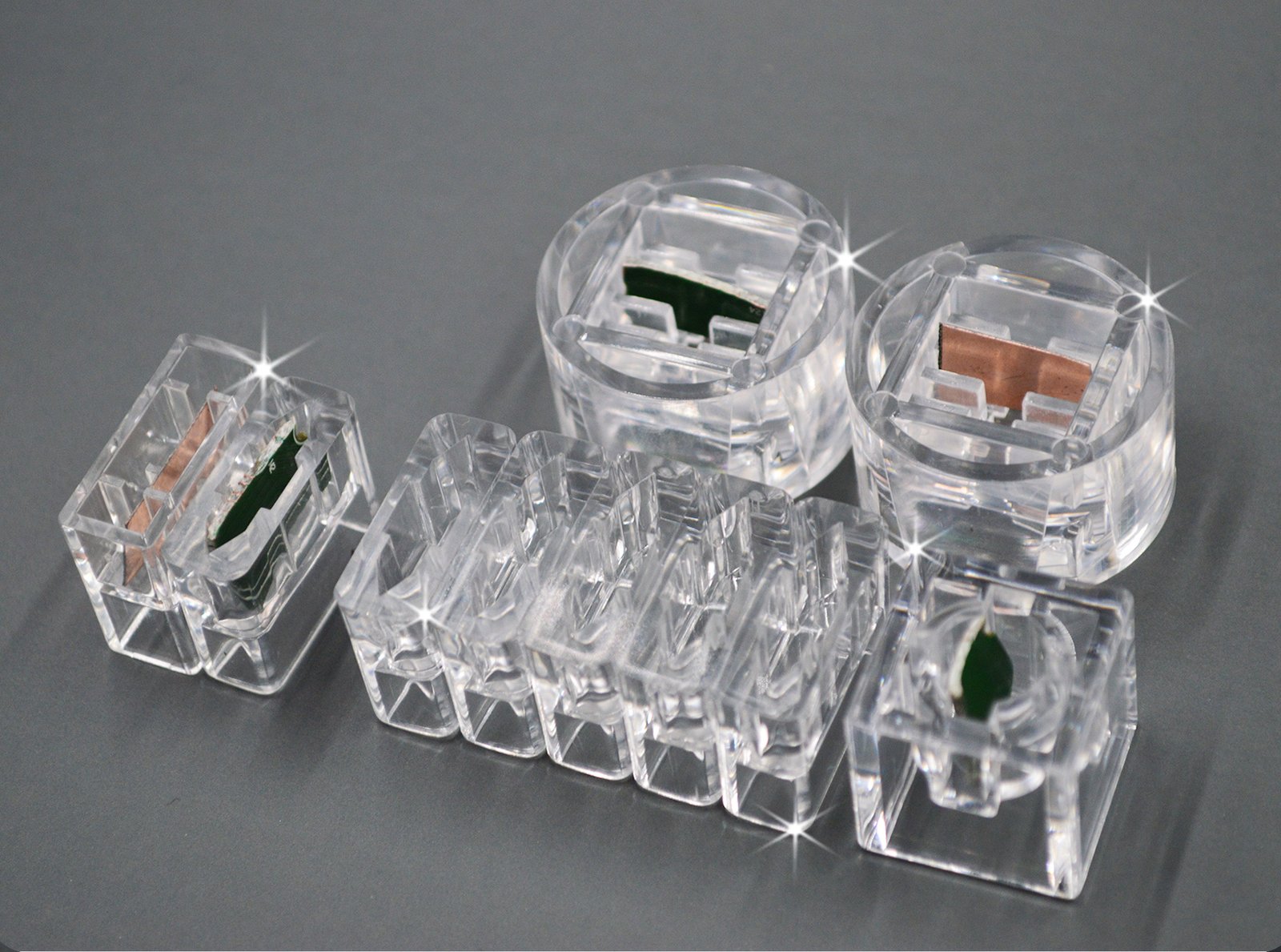
Metallographic Mold used to hold the PCB microsection of PCB
A PCB metallographic mold is a specialized fixture used in the preparation of printed circuit board (PCB) samples for microscopic analysis. It plays an important role in metallography, which is the study of the microstructure of metals and materials.
Brief Introduction
When engineers or quality inspectors need to examine the internal structure of a PCB—such as copper layers, vias, plating thickness, or defects—they first cut a small section of the board. This sample is often fragile and uneven, so it must be embedded (mounted) in a mold using resin or epoxy.
The metallographic mold provides:
- A controlled shape and size for the sample
- Protection for delicate PCB features during grinding and polishing
- A stable base for handling under microscopes
advantage of Plastic Molds
- Lightweight and disposable or reusable
- Common in cold mounting
- Low cost
Why It’s Used
After mounting in the mold, the sample undergoes:
- Grinding – to create a flat surface
- Polishing – to achieve a mirror-like finish
- Etching (optional) – to reveal material structures
This preparation allows clear observation of:
- CopMetallographic Mold per trace thickness
- Layer alignment
- Plating quality in vias and holes
- Defects like voids, cracks, or delamination
To make a PCB microsection (cross-section analysis), metallographic molds are only one part of the process. A variety of consumables are required throughout cutting, mounting, grinding, polishing, and etching.
Here’s a clear breakdown:
1. Sectioning (Cutting) Consumables
Used to cut a small piece of the PCB without damaging internal layers:
Diamond cutting wheels / blades – for precise, low-damage cutting
Coolant fluids – prevent overheating and smearing of copper/resin
2. Mounting (Embedding) Materials
Used together with the metallographic mold:
Epoxy resin (cold mounting) – best for PCB microsections due to transparency and low shrinkage
Acrylic resin – faster curing but slightly more shrinkage
Phenolic powder (hot mounting) – for robust samples (less common for PCBs)
Hardener and mixing cups/stirrers
3. Grinding Consumables
Used to flatten the sample and expose the cross-section:
SiC (silicon carbide) abrasive papers
Typical grit sequence: 240 → 400 → 600 → 800 → 1200 → 2000
Grinding lubricants (water or special fluids)
Backing discs or platen liners
4. Polishing Consumables
Critical for achieving a scratch-free, mirror finish:
Polishing cloths/pads (different textures: coarse to fine)
Diamond suspensions/pastes
Common sizes: 6 µm → 3 µm → 1 µm → 0.25 µm
Alumina or silica suspension (final polishing step)
Lubricants for polishing


 English
  German
  French
  Spanish
  Vietnamese
  Russian