
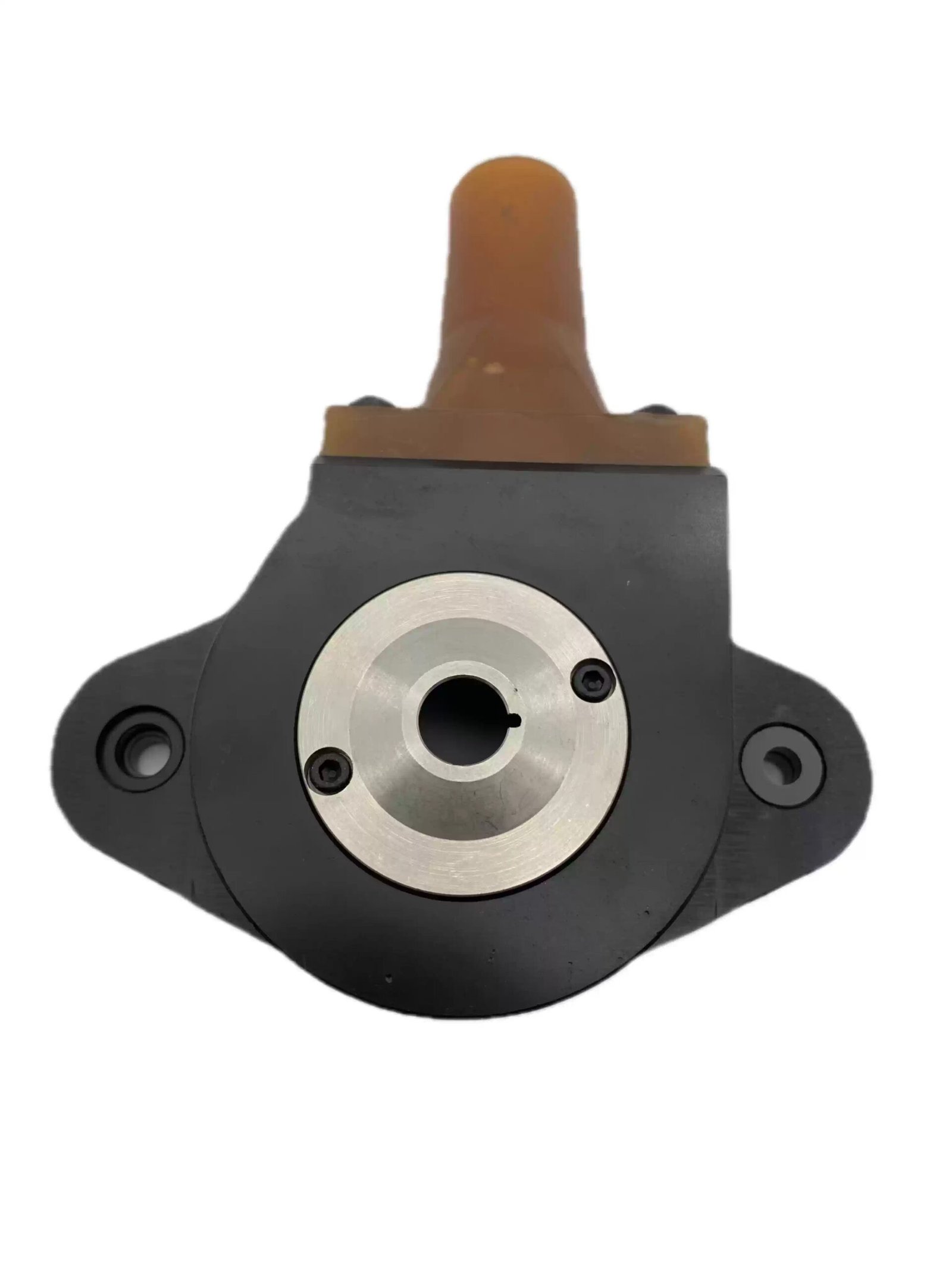
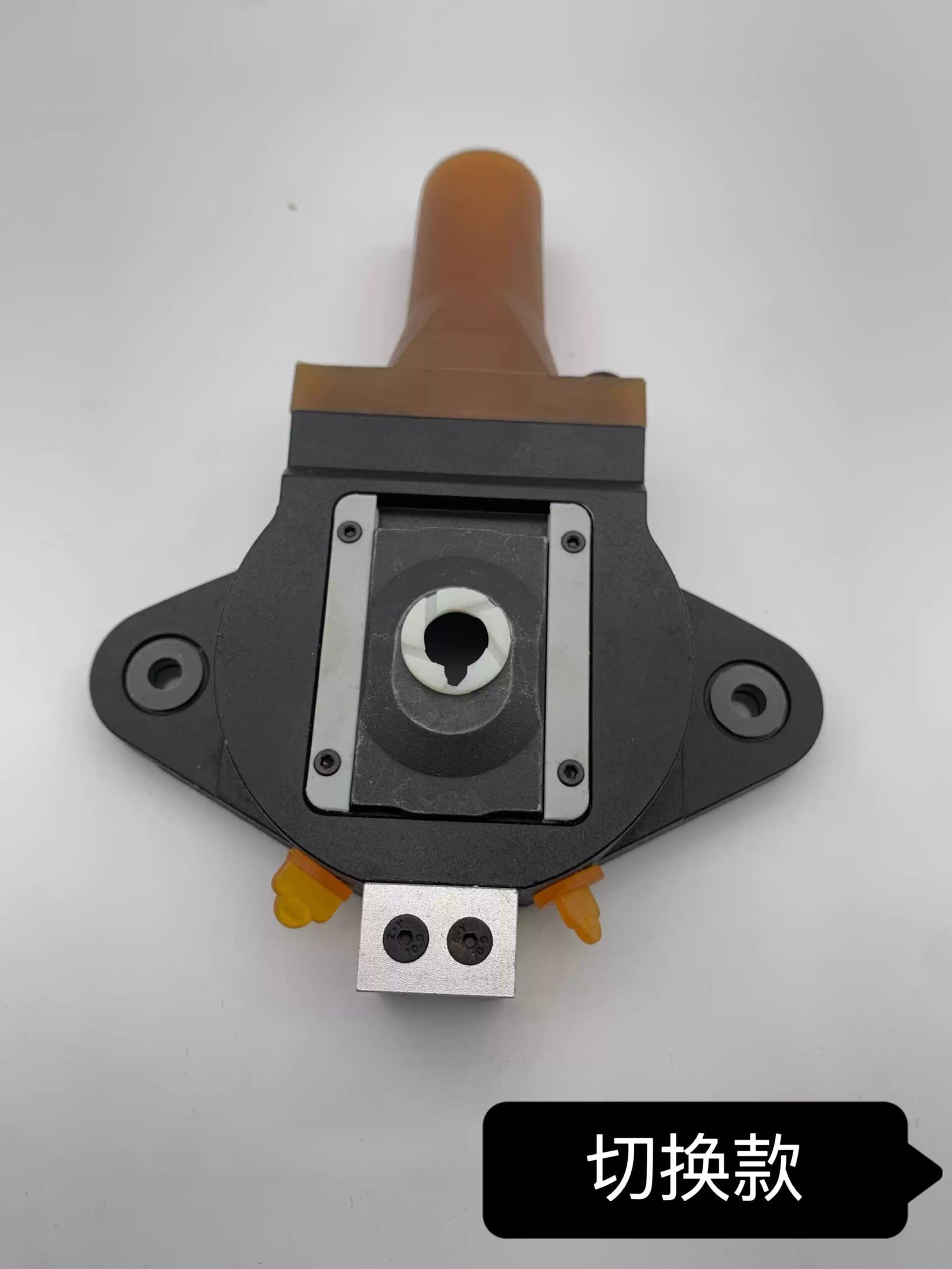
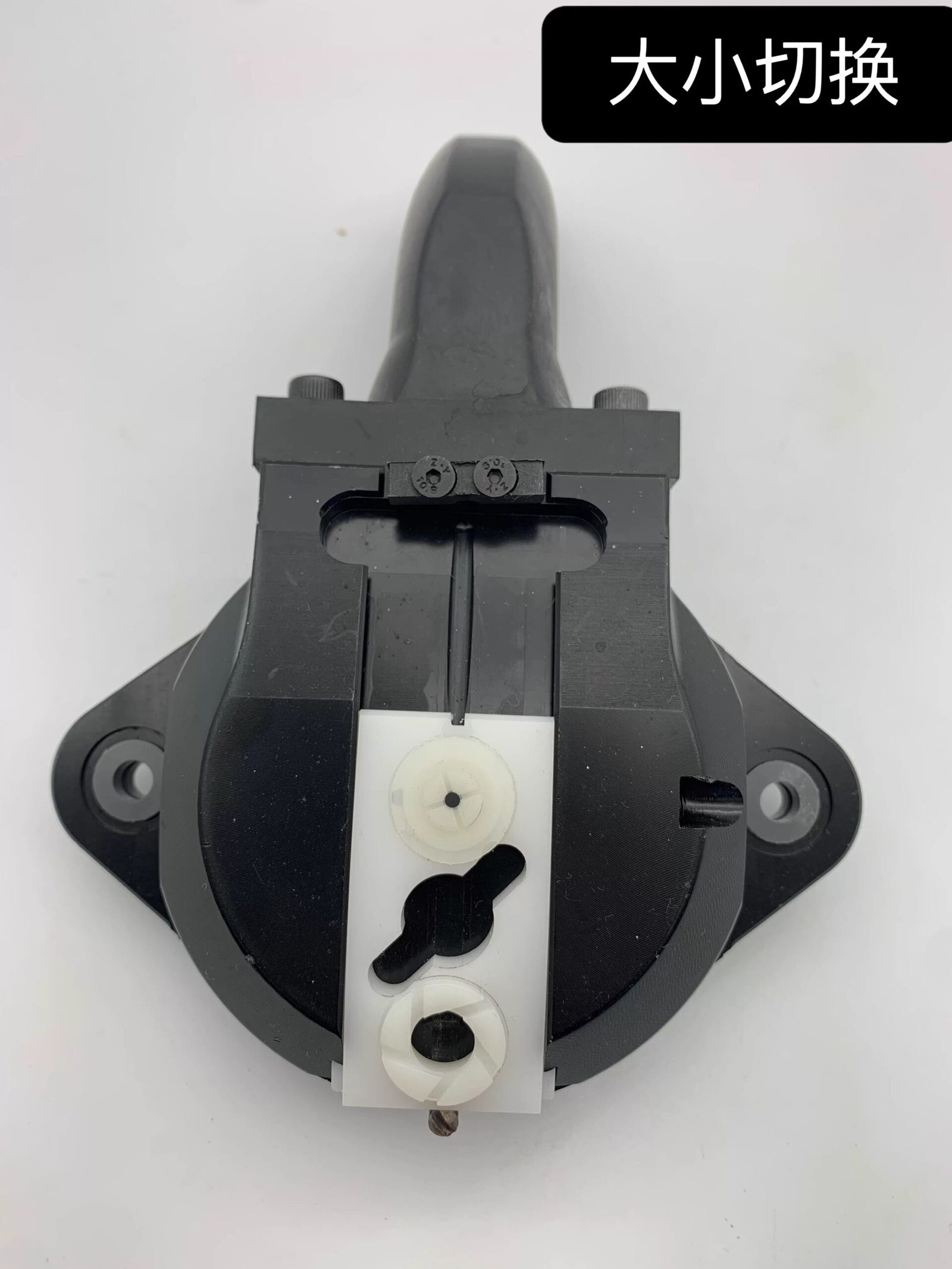
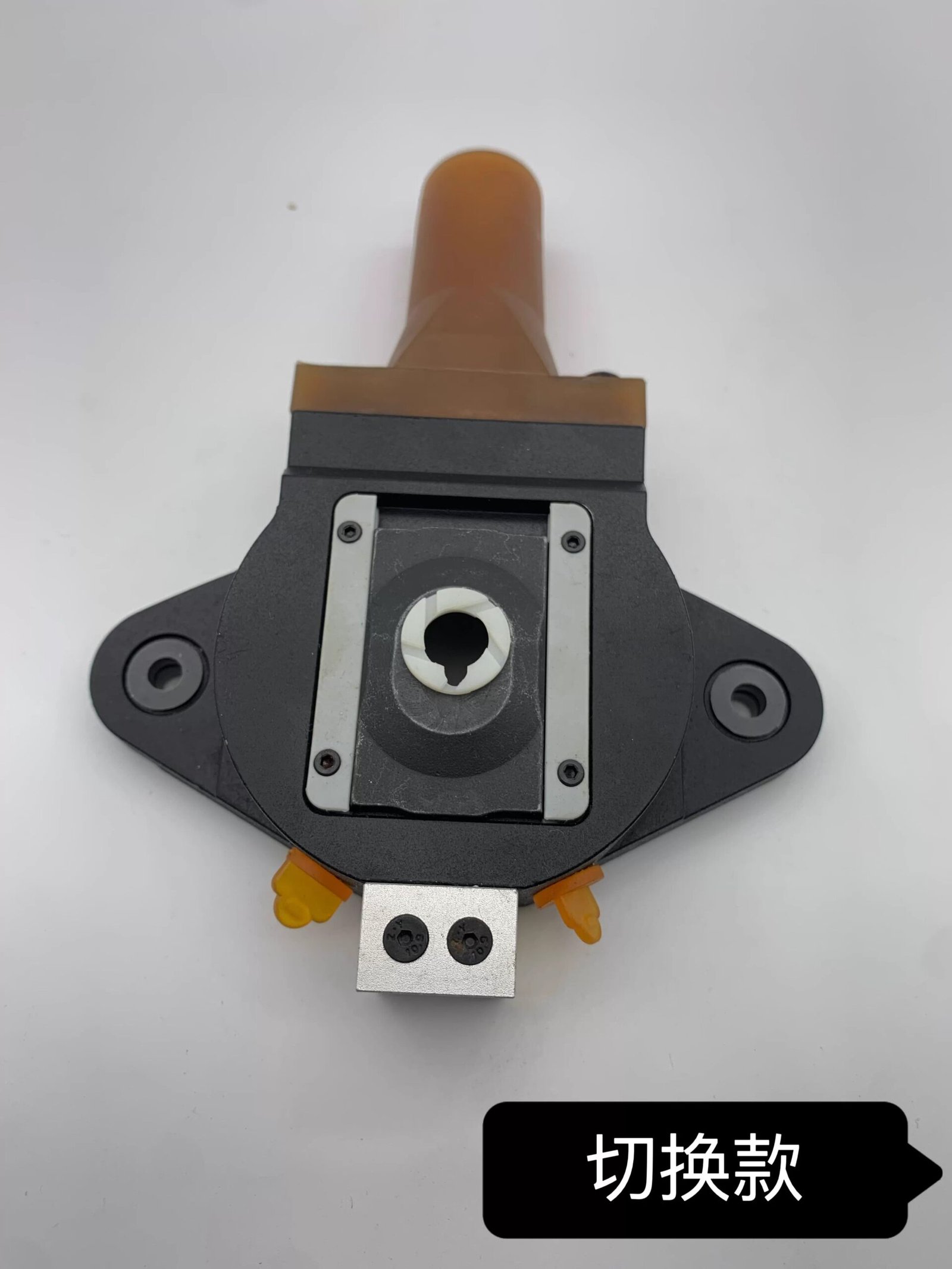
Pressure foot cup for PCB CNC Machine
$70 – $150
pressure foot cup is a specialized, often cylindrical housing in a PCB drilling machine that stabilizes the board stack through downward pressure while simultaneously acting as a vacuum shroud to extract dust and heat away from the hole during high-speed spindle operations.
What is a PCB Pressure Foot Cup?
A PCB pressure foot cup is a specialized, often cup-shaped or cylindrical component attached to the pressure foot assembly of a CNC drilling or routing machine. Its primary function is twofold:
Workpiece Stabilization: It exerts a controlled downward force to compress the PCB stack (including the entry foil and backing board) against the machine bed. This prevents the boards from lifting or vibrating as the drill bit enters and exits at speeds exceeding 200,000 RPM.
Vacuum Debris Extraction: Most modern PCB drilling machine foot cups are hollow or ported, acting as a miniature vacuum shroud. This allows the machine’s dust collection system to pull swarf (chips) and heat directly away from the hole, preventing “re-cutting” of debris which can cause hole wall roughness.
Leading Industry Standards: Schmoll, Giga, and Anderson
In the global market, specific brands set the standards for how a pressure foot should perform.
Schmoll Pressure Foot Cup
Schmoll Maschinen is a titan in the PCB world. The Schmoll pressure foot cup (often used alongside the Schmoll pressure foot assembly) is designed for extreme rotational stability. High-speed spindles on Schmoll machines often run at 125k, 180k, or even 300k RPM. A Schmoll drilling machine pressure foot cup must be perfectly balanced to avoid introducing harmonic vibrations that could snap fragile micro-drills.
Giga and Anderson Systems
Other major players include Giga and Anderson. The Giga pressure foot system is known for its durability in high-volume environments, while the Anderson pressure foot is frequently favored for its precision in routing operations. While the designs may vary—some using a “mushroom” style and others a slim profile—the core goal remains the same: absolute stability and clean chip removal.
The Role of the Pressure Foot Cup in Vacuum Efficiency
One of the most overlooked aspects of the PCB pressure foot cup is its role in “Air Flow Management.” When the drill bit spins, it creates a localized vortex.
Chip Removal: If the pressure foot cup does not form a proper seal or has the wrong internal geometry, vacuum pressure is lost. This results in chips remaining in the hole, leading to “nailheading” (internal copper distortion) and increased tool wear.
Cooling: The air pulled through the cup doesn’t just remove dust; it also cools the drill bit. In 2026, where HDI (High-Density Interconnect) boards are common, heat management is the #1 factor in extending the life of carbide micro-drills.
Maintenance and Troubleshooting for Pressure Foot Cups
Because the Schmoll pressure foot and other similar systems are “contact” parts, they are subject to wear. Neglecting these components can lead to a cascade of manufacturing defects.
Common Issues to Watch For:
Resin Buildup: Over time, the internal walls of the PCB drilling machine foot cup can become coated in sticky resin from FR-4 materials. This narrows the vacuum path and reduces suction.
Scoring and Burrs: If the bottom of the cup becomes scratched or burred, it can mark the entry foil of the PCB, potentially damaging the copper layers underneath.
Improper Tension: If the pressure foot force is too high, it can cause “bruising” on the board; too low, and the board will vibrate, causing “skewed” holes or broken bits.
Maintenance Checklist:
Daily Cleaning: Wipe down the interior of the Schmoll pressure foot cup to ensure no debris is trapped.
Weekly Inspection: Check the “foot ring” or contact surface for flatness using a dial indicator.
Vacuum Testing: Measure the negative pressure (mbar) at the cup to ensure the extraction system is operating at 100% efficiency.


 English
  German
  French
  Spanish
  Vietnamese
  Russian