
Laser Tool measuring for PCB drilling machine
$75 – $100
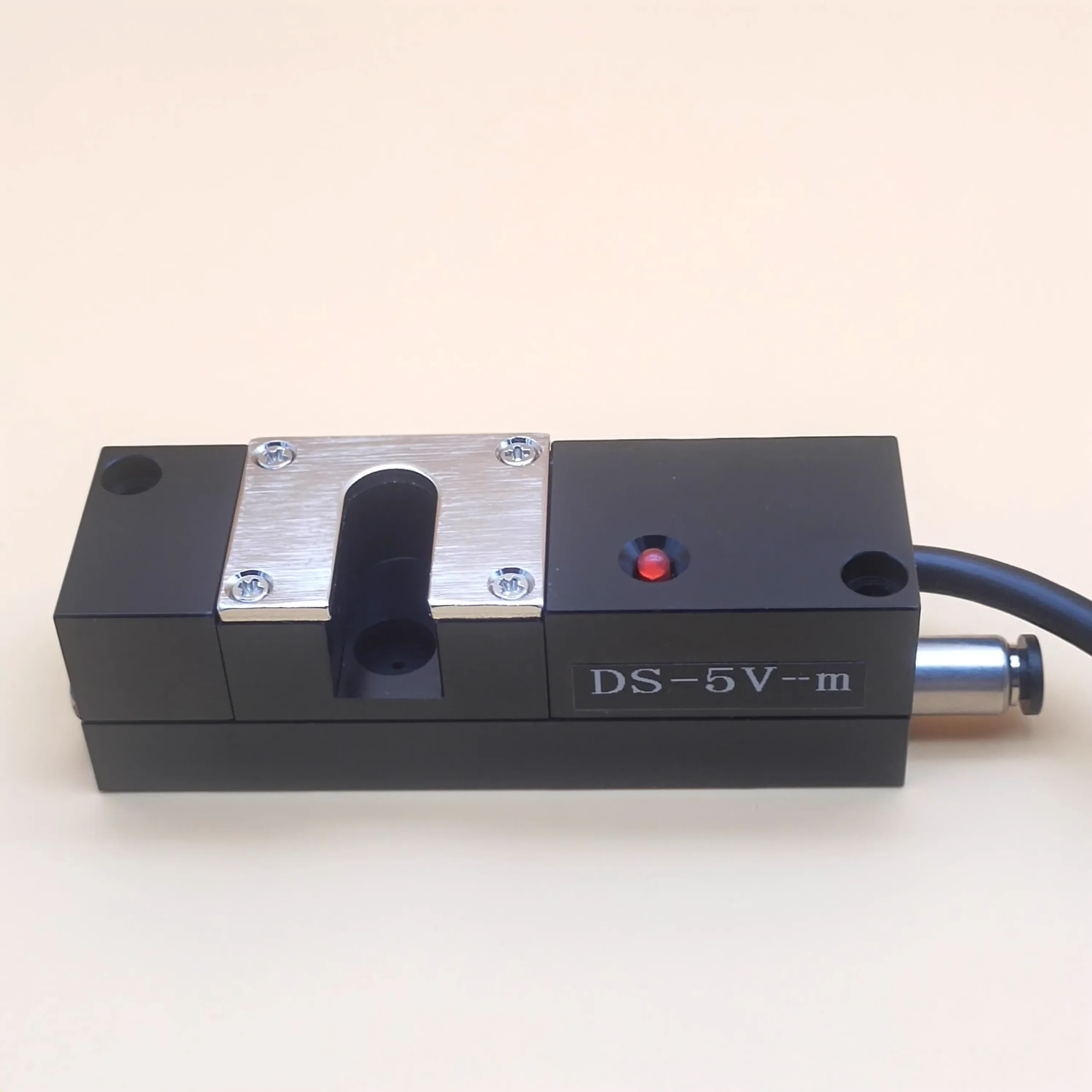
laser tool measuring instrument, such as the DS-5V-M detector, is a non-contact optical system used in PCB drilling machines to rapidly verify tool diameter, compensate for length, and detect breakage with sub-micron precision.
What is Laser Tool Measuring?
A laser tool measuring instrument is a non-contact optical device integrated into a PCB drilling machine. It uses a high-frequency laser beam to “sense” the drill bit as it passes through the detection field. Unlike traditional mechanical touch-probes, which can damage micro-drills (some as small as 0.05mm), a laser tool detector performs its checks in milliseconds without ever touching the tool.
The Core Functions:
Tool Diameter Measuring: Verifying that the correct tool size has been loaded from the magazine.
Tool Length Compensation: Adjusting the Z-axis to account for tool wear or variations in tool seating.
Breakage Detection: Instantly stopping the machine if a drill bit snaps mid-cycle.
Run-out Checking: Detecting if a tool is wobbling (eccentricity) due to a poor collet fit or a bent shank.
Key Technology: The DS-5V-M Detector and Beyond
In the 2026 marketplace, several specific models have become synonymous with reliability. The DS-5V-M series is perhaps the most recognized laser tool detection instrument in the industry.
The DS-5V-M Detector / DS-5V-m Detector
The DS-5V-M detector is an ultra-compact, high-speed optical sensor. It is designed to withstand the harsh environment of a PCB drilling cabinet, where resin dust and cooling air are constant.
DS-5V-M tool detection: This system utilizes a visible or infrared laser beam that triggers a signal to the CNC controller the moment the beam is interrupted.
DS-5V-M laser tool measuring: It is capable of detecting tools with diameters smaller than 0.1mm while the spindle is rotating at speeds up to 300,000RPM.
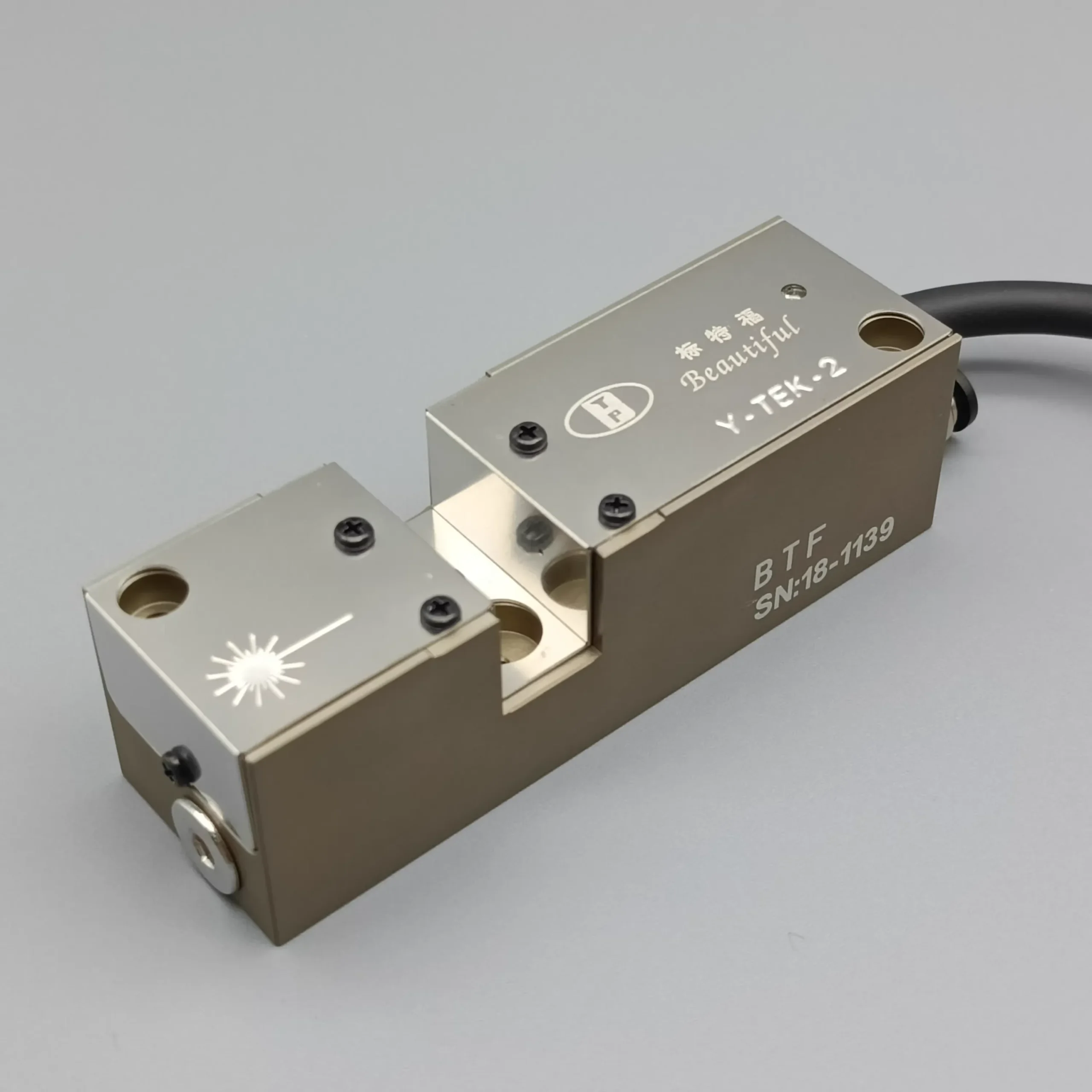
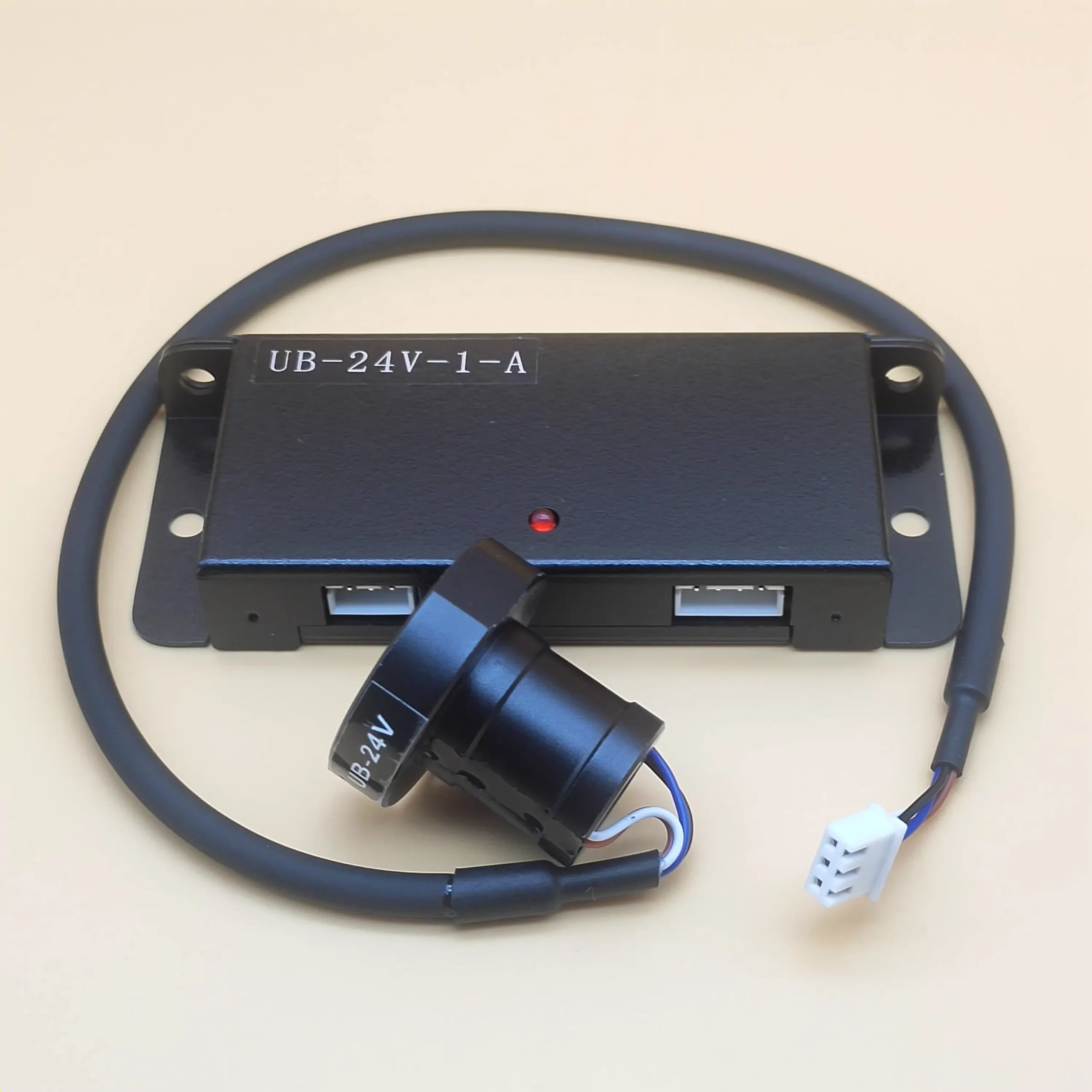
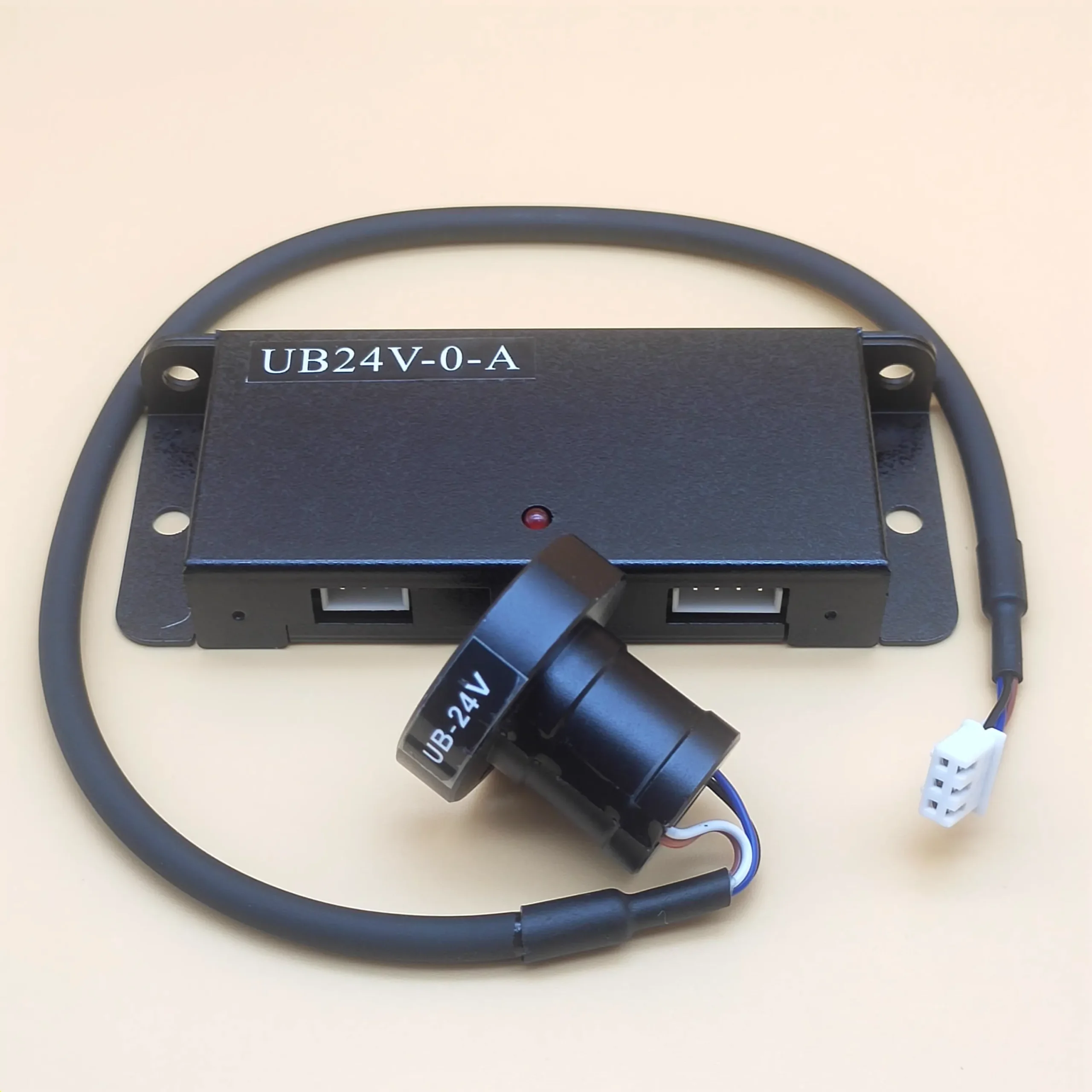
Specialized Systems: Y-TEK-2 and UB-24-0-A
While the DS-5V-M is a versatile workhorse, other systems offer specialized advantages:
Y-TEK-2: Often found in specialized routing and large-format drilling machines, the Y-TEK-2 is known for its wide detection window, making it easier to align for multiple spindle configurations.
UB-24-0-A: The UB-24-0-A is a high-accuracy laser tool measuring typically used in micro-drilling applications where sub-micron repeatability is non-negotiable.
The Drilling Machine Tool Detection Workflow
A laser tool detection instrument is not just a sensor; it is a vital part of the “closed-loop” manufacturing process. Here is how it functions during a standard production run:
Step 1: Tool Load & Measure
When the spindle picks up a new bit, it immediately moves to the laser tool measuring station. The drill bit measuring instrument verifies the tool’s diameter. If the operator accidentally put a 0.35mm bit in the 0.30mm slot, the tool detector will flag the error and halt the machine before the board is damaged.
Step 2: Dynamic Run-out Check
As the tool spins at high RPM, the laser tool detector monitors the “shadow” of the bit. If the shadow flickers or appears wider than the tool’s true diameter, it indicates “run-out.” High run-out is the #1 cause of drill breakage and poor hole wall quality.
Step 3: Length Verification
The drill bit check instrument records the exact tip position (Z-zero). This ensures that the drill penetrates precisely through the laminate and into the backup board, but not so deep that it damages the machine bed.
Step 4: Post-Drilling Breakage Check
After a “hit” or a series of holes, the spindle returns to the laser tool detection instrument. If the beam is not interrupted, the system knows the tool has broken and triggers an alarm, preventing the machine from “drilling” hundreds of invisible holes with a phantom bit.
Laser Tool Measuring Instrument advantages
The shift from mechanical to laser tool measuring technology offers several 2026-era competitive advantages:
Non-Contact Safety: Essential for micro-drilling. Mechanical sensors can snap bits smaller than 0.2 mm just by touching them.
In-Cycle Speed: A laser tool detector can check a tool in under 0.2 seconds, significantly reducing the “non-drilling” time of the machine.
Sub-Micron Accuracy: For tool diameter measuring, laser systems provide a level of precision that manual calipers simply cannot match.
Environmental Resilience: Modern detectors like the DS-5V-m detector feature an integrated “air curtain” or air blast to keep the optics clear of dust and debris.
Maintenance of Your Laser Tool Detection Instrument
To maintain “Zero-Defect” standards in 2026, a strict maintenance schedule for your laser tool measuring system is required:
Optics Cleaning: Even with air curtains, a microscopic film of oil or resin can build up on the lens of the DS-5V-M. Use specialized optical wipes and isopropyl alcohol weekly.
Alignment Calibration: Use a “master gauge” tool of known diameter to calibrate the drill bit measuring instrument monthly. This ensures the tool diameter measuring remains accurate to within 1μm
Vibration Check: Ensure the mounting bracket for the laser tool detector is rigid. Even a slight vibration in the machine frame can cause “false-positive” breakage alarms.


 English
  German
  French
  Spanish
  Vietnamese
  Russian