
1. Protection Film Overview
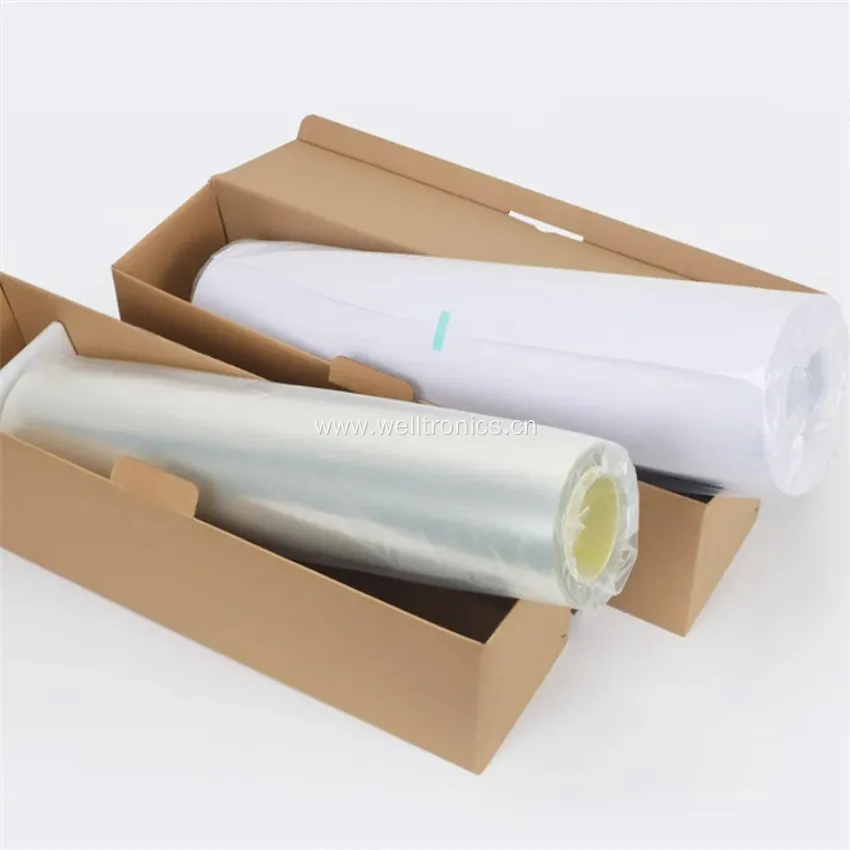
A protection film is a thin, flexible plastic layer coated with a specialized adhesive. Unlike permanent coatings, these films are designed for temporary application. The primary goal is to provide a reliable Surface Protection Film that can be removed with a Residue-Free Peel, ensuring the underlying material remains in its original, factory-perfect state.
In PCB manufacturing, PCB Protection Film (also called pcb film, PCB Surface Film, or Circuit Board Protection Film) protects sensitive areas during drilling, routing, soldering, rework, and shipping.
2. Common Materials for Protection Film
The physical properties of the film depend largely on the base polymer used. Each material offers a different balance of flexibility, clarity, and temperature resistance.
- PE Protective Film (Polyethylene): The most common and cost-effective material. Polyethylene PCB Film (PE) is highly flexible and used for general surface guarding.
- PET Protective Film (Polyester): Known for its high mechanical strength and excellent heat resistance. PET PCB Film is often used as a Transparent PCB Film because of its superior clarity.
- PVC Protective Film (Polyvinyl Chloride): Offers excellent stretchability and weather resistance, often used for protecting metal profiles.
- PP Protective Film (Polypropylene): A high-clarity, high-temperature option suitable for specialized industrial processes.
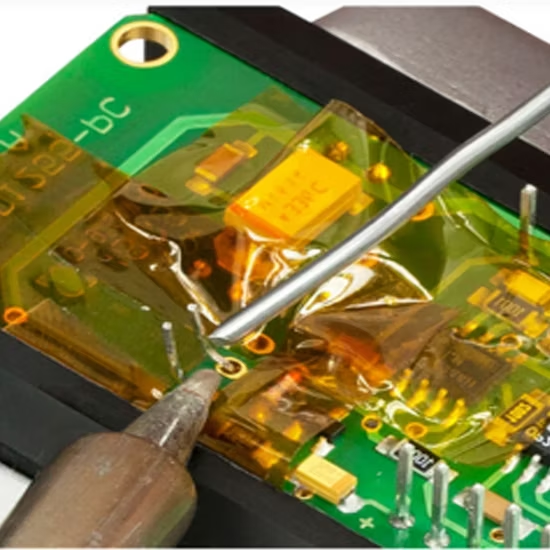
- PI Protective Film (Polyimide): Known for extreme thermal stability, PI is the gold standard for High Temperature Protective Film applications in aerospace and advanced electronics.
3. Main Types and Applications
Protective films are categorized by their functionality and the specific industry they serve.
Electronics and PCB Manufacturing
In the world of circuitry, pcb protection is vital. PCB Protective Film is used throughout the production cycle:
- Solder Masking Film: Used as a Temporary Masking Film to protect specific areas during the wave soldering process.
- Gold Finger Protection Film: Specifically designed to shield gold-plated contacts from oxidation and contamination.
- PCB Shipping Film: Provides a Surface Guard during transit to prevent physical damage.
- PCB Process Film: Used for PCB Rework Masking to isolate components while others are being repaired.
Functional and Specialized Films
- Anti-Static Protective Film (ESD Protective Film): Crucial for electronics to prevent static discharge from damaging sensitive components.
- Anti-Corrosion Film: Inhibits oxidation on metal surfaces.
- Blue Protective Film / Black/White Protective Film: Color-coded films often used to identify different stages of production or to provide UV protection.
- Clear Protective Film: High-transparency films for optical displays or inspection windows.
4. Key Features and Advantages
Why do industries invest in high-quality protection film?
- Damage Prevention: Acts as a physical buffer against abrasions and impacts.
- Chemical Resistance: Protects surfaces from solvents, oils, and moisture.
- Adhesive Versatility: Options range from Self-Adhesive Film (which uses static or a very light coating) to Silicone Adhesive Film for high-heat stability.
- Residue-Free Removal: High-quality films ensure no “ghosting” or adhesive transfer is left behind after peeling.
- Enhanced Productivity: By using PCB Film, manufacturers can reduce scrap rates and rework caused by surface contamination.
5. How to Choose the Right Protection Film
Selecting the wrong film can lead to adhesive transfer or insufficient protection. Consider these factors:
- Surface Texture: Smooth surfaces (like glass or Transparent PCB Film) require low-tack adhesives. Textured or porous surfaces need a higher Adhesive Strength (Low/Medium/High).
- Temperature Requirements: If the product undergoes baking or soldering, you must use a High Temperature Protective Film.
- Environmental Exposure: Will the film be exposed to UV light or outdoor conditions? Black/White Protective Film is often best for UV resistance.
- ESD Sensitivity: For any Circuit Board Protection Film application, determine if an Anti-Static Protective Film is required to prevent electrical failure.
- Budget: While protection film price is a factor, choosing a cheap film that leaves residue can drastically increase cleaning costs later.
Conclusion
protection film is a critical consumable that safeguards surfaces throughout manufacturing and logistics. From PCB Protection Film and PET PCB Film to Anti-Static, High Temperature, and Gold Finger Protection Film, choosing the right material and adhesive ensures reliable protection, clean removal, and optimal production efficiency.
 English
  German
  French
  Spanish
  Vietnamese
  Russian