1. The Engineering Behind the Sponge Roller
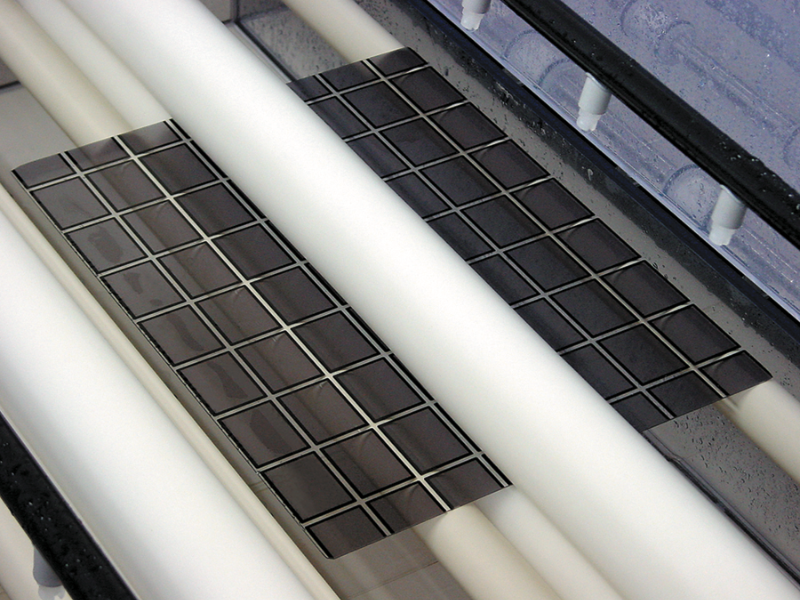
Sponge Rollers covers a variety of materials, but in the pcb industry, the PVA Sponge Rollers (Polyvinyl Alcohol) , Installed as part of a conveyor cleaning system in wet process equipment, sponge rollers are responsible for chemical residue removal, water control, and surface protection before and after finishing treatments.
General Role of Sponge Rollers
sponge rollers are critical in horizontal conveyorized systems for:
- Wiping/Squeegeeing: Removing excess chemical solutions or water from the PCB surface to prevent “drag-out” (carrying chemicals from one tank to the next).
- Uniform Application: Ensuring thin liquid films are spread evenly across the substrate.
- Drying Assistance: Absorbing bulk liquid before the board enters high-pressure air knives or drying ovens
Material Selection and Asker C Hardness
When selecting a roller sponge for a conveyor cleaning system, engineers must consider Asker C Hardness. This metric defines the elasticity and compression of the rolling sponge.
- Soft Rollers (Low Asker C): These provide Non-abrasive Cleaning, which is vital for delicate coatings where physical contact must be minimized to avoid scratches.
- Firm Rollers (High Asker C): These act as a mechanical squeegee, essential for high-speed lines where the sponge rollers set must physically displace heavy chemical fluids.
2. The ENIG Process: Precision and Chemical Isolation
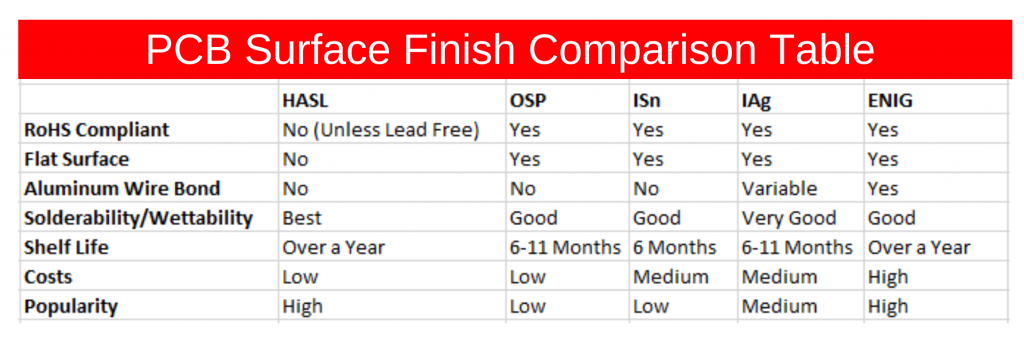
The ENIG process (Electroless Nickel Immersion Gold) is the industry standard for flat-surface, high-reliability boards. However, enig plating involves a complex series of acidic and basic baths that are highly sensitive to cross-contamination.
Preventing Chemical Drag-out
In an enig pcb line, the roll sponge serves as a barrier. As the panel moves through the conveyor cleaning system, the sponge rollers must remove the nickel solution before the board enters the immersion gold tank.
- Chemical Resistance: Because the enig finish chemicals are aggressive, the sponge rollers set must exhibit superior Chemical Resistance to prevent the material from breaking down and redepositing particles on the enig surface.
- Chemical Residue Removal: Incomplete cleaning during enig pcb production leads to “black pad” or poor solderability. A high-quality roll sponge ensures that no micro-droplets remain in the holes or on the pads.
3. The OSP Process: Protecting the Fragile Organic Layer
The OSP process (Organic Solderability Preservative) creates a transparent, protective organic film over the copper. Unlike enig, the osp pcb finish is extremely fragile and susceptible to physical abrasion.
Non-abrasive Cleaning and Uniformity
The osp pcb requires an ultra-soft roll sponge set to ensure the organic film is dried without being compromised.
- Uniform Meniscus: A sponge texture roller helps maintain a uniform meniscus of the organic solderability preservative during the coating phase.
- Moisture Management: If water spots are left on an osp board, the copper underneath will oxidize rapidly. The rolling sponge must provide a perfectly dry surface immediately after the final rinse to lock in the osp protection.
4. The HASL Process: Cleaning After the Heat
Hot Air Solder Leveling (HASL) is a robust and traditional hasl pcb finish. It involves dipping the board into molten solder and using hot air solder leveling knives to clear excess material.
Post-HASL Residue Management
The hasl process leaves behind significant amounts of flux and heat. The PCB cleaning process after hasl is intensive.
- Brush Roller vs. Sponge Rollers: While a brush roller or brush roller might be used in the initial scrubbing phase to break down hardened flux, the final de-watering is always performed by a pva sponges.
- Heat Endurance: A hasl finish pcb emerges from the line at high temperatures. The sponge rollers must handle the thermal stress while continuing to provide efficient chemical residue removal.
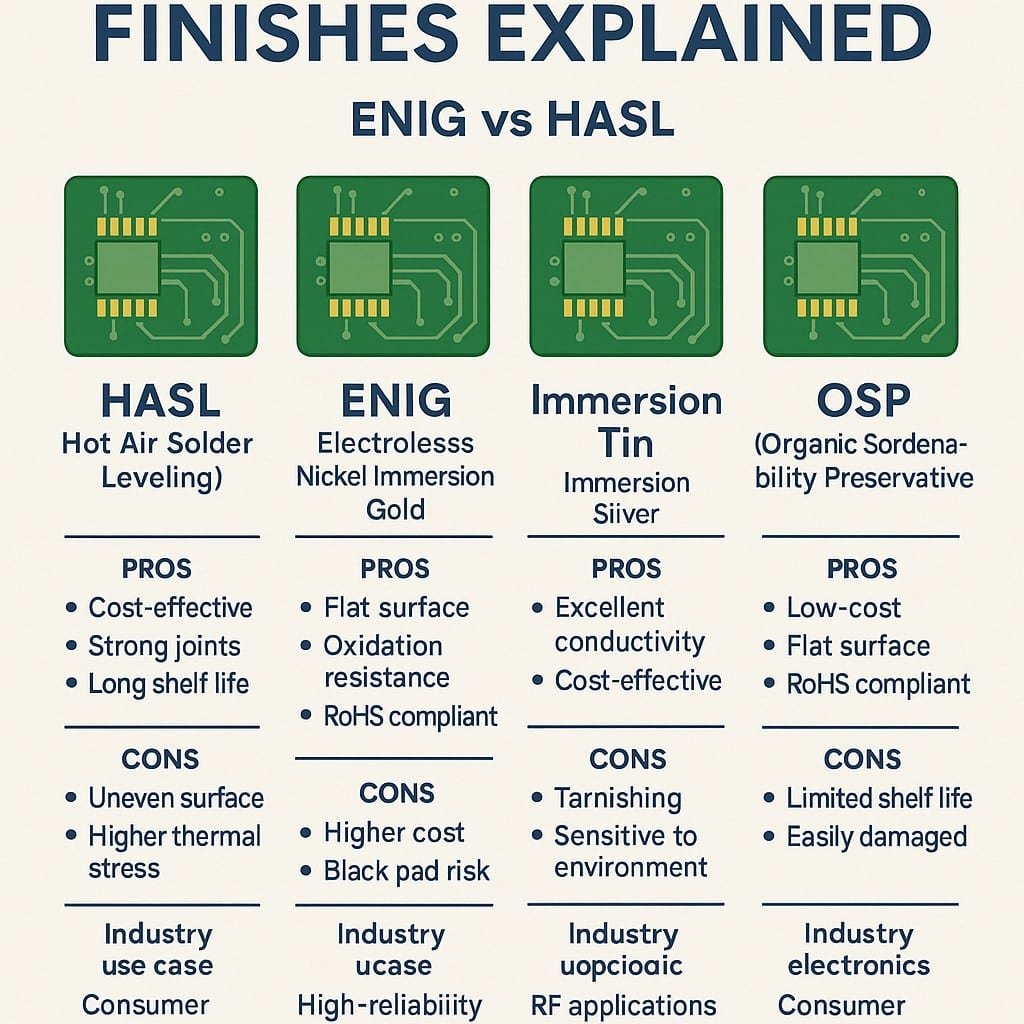
Summary of pcb surface finish types
| Process | Key Component | Primary Goal |
| ENIG | Acid-Resistant PVA Sponge Roller | Prevent Chemical Drag-out |
| OSP | Low Asker C Hardness Roller | Non-abrasive Cleaning |
| HASL | High-Absorbency Sponge Roll | Post-Flux Chemical Residue Removal |
5. Integrating the Roller Set with Sponge Rollers
Choosing the right roller set with sponge rollers for your wet process equipment is a matter of optimizing the “Squeegee Effect.”
- Sponge Roller Texture: The pore size of the sponge roller texture determines the balance between water absorption and particle trapping. Fine pores are better for Non-abrasive Cleaning, while larger pores are suited for heavy chemical surface treatment applications.
- Sea Sponge Roller Applications: While rare in standard PCB lines, a sea sponge roller texture is sometimes utilized in niche chemical surface treatment for aesthetic or specialized architectural electronics where a non-uniform finish is required.
- Conveyor Cleaning System Sync: The speed of the rolling sponge must be perfectly synchronized with the conveyor to prevent “skidding,” which can damage the hasl or enig plating.
6. Maintenance: Ensuring Longevity of Your Sponge Roll
To maintain PCB surface finishing quality, the sponge roller set requires strict maintenance protocols.
- Hydration Management: pva sponge material sponge roller must never be allowed to dry out completely. If a roll sponge becomes bone-dry, its structure hardens and can scratch the osp pcb finish.
- Debris Extraction: Over time, the sponge texture roller will collect micro-debris. Regular “deep-cleaning” of the roller sponge ensures that chemical residue removal remains effective and doesn’t become a source of secondary contamination.
- Replacement Cycles: Monitor the Asker C Hardness over time. As rollers age and lose their elasticity, their ability to perform Non-abrasive Cleaning diminishes.
Welleltron Edge in Wet Process Consumables
For Welleltron PCB Consumables Supplier, the goal is clear: provide the PCB fabrication process with the tools needed to achieve a zero-defect production line.From the initial chemical surface treatment to the final drying stage of an enig pcb or hasl pcb, the quality of your sponge rollers is the determining factor in your final yield.
 English
  German
  French
  Spanish
  Vietnamese
  Russian