
Overview of Cut Blade Structure
cut blade is a cutting tool designed to separate, trim, or groove materials through mechanical cutting action. Cut blades are commonly used to cut materials such as steel, aluminum, and PCB boards. To meet different performance requirements, they are manufactured from materials like high-speed steel, tungsten steel, and carbide / solid carbide, offering excellent sharpness, wear resistance, and durability.
Cut Blade Structure
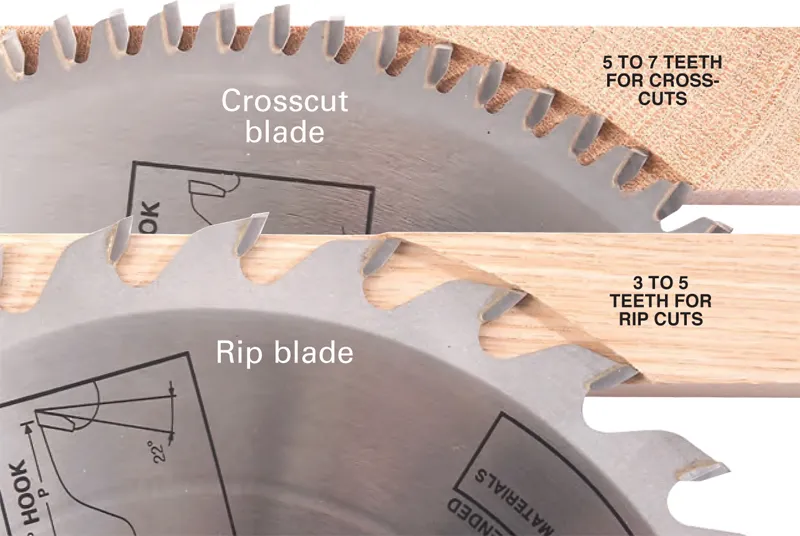
cut blade is designed with a simple but functional structure to ensure efficient and precise cutting. Its main components include:
- Blade Body: The main support structure that provides strength and stability during cutting.
- Cutting Edge: The sharpened edge that performs the actual cutting of metal, aluminum, PCB, or other materials.
- Tooth or Edge Geometry: Determines cutting speed, smoothness, and material compatibility.
- Mounting Area / Arbor Hole: Allows the blade to be securely fixed to the cutting tool or machine.
- Blade Thickness: Affects cutting accuracy, heat generation, and vibration control.
Core Functionality
A cutting blade operates by localized shearing or grinding. In industrial settings, the goal is to achieve a sharp cutting blade path that minimizes “kerf” (material waste) and prevents heat-induced warping.
- Direct Separation: Used in metal cutting blades to split stock into parts.
- Scoring/Grooving: Used in the PCB V-Cut Blade to create controlled-depth paths for manual or mechanical breaking.
Materials of Cut Blades
| Material Name | Common Designation | Key Characteristics |
| Tungsten Carbide | Tungsten Steel / Carbide | Extreme hardness, high heat resistance (red hardness), but brittle. |
| High-Speed Steel | HSS | Excellent toughness and impact resistance; easy to resharpen. |
| Diamond | PCD (Polycrystalline) | Highest hardness and wear resistance; very low friction. |
| Alloy Steel | 9CrSi / Cr12MoV | Good balance of strength and cost; high hardenability. |
| Cermet | Ceramic-Metal Composite | Higher heat resistance than carbide; produces a mirror finish. |
Types of Cut Blades
| Blade Type | Technical Name | Structural Feature | Primary Use |
| V-Cut Blade | V-Type Cutter / V-Scoring Blade | Disc-shaped with a V-profile edge (typically 20°–60°). | PCB Depaneling, scoring aluminum composite panels (ACP). |
| Circular Saw Blade | Metal Cutting Circular Saw Blade | Round blade with TCT (Tungsten Carbide Tipped) teeth. | Heavy-duty steel cutting, structural beams, thick plates. |
| Aluminum Blade | Non-Ferrous Cutting Blade | Triple Chip Grind (TCG) tooth geometry to prevent “gumming.” | Aluminum extrusions, window frames, copper pipes. |
| Multi-Tool Blade | Oscillating Cutting Blade | Narrow, flat blade for high-frequency vibration tools. | Plunge cuts in wood with nails, copper pipe trimming. |
| Industrial Slitter | Slitting/Cut-off Blade | Thin, toothless disc or very fine teeth. | Slitting film, rubber, paper, or thin metal foils |
High-Performance Metal Cutting Blade
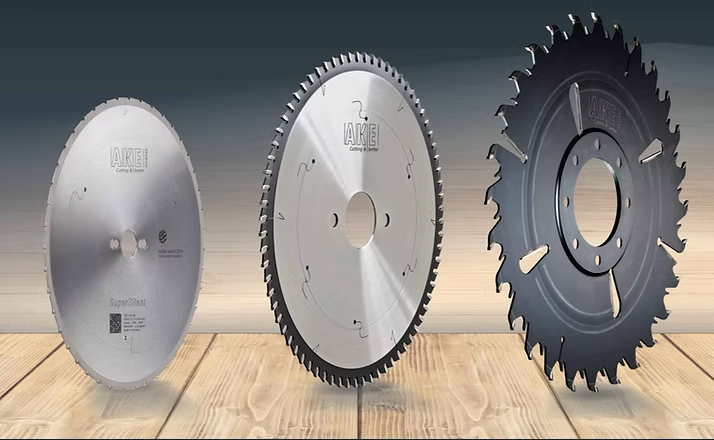
When you need to cut with blade through structural steel or iron, heat management is the primary challenge. Traditional abrasive wheels are being replaced by high-speed metal cutting blades that offer “cold cut” technology.
- Metal Cutting Circular Saw Blade: Designed for portable or stationary saws, these blades use specialized tooth geometries to slice through plate and tube without leaving burrs.
- Metal Cutting Blade for Miter Saw: Used in fabrication shops to create precise angled blades and cuts in frames and supports.
- Steel Cut Off Saw Blades: Engineered for heavy-duty chop saws to handle thick rebar and I-beams.
- Recip Saw Metal Cutting Blades: These flexible blades that cut metal are essential for demolition and plumbing where space is tight.
Precision V-Cut and Grooving Blades
In the electronics and packaging industries, precision cutting blades are used to create controlled-depth grooves rather than full separations.
- PCB V-Cut Blade: Also known as a V-Type Cutter Blade, this is a specialized tungsten steel cutting blade used in the electronics industry. It creates a V-Shaped Cutting Blade groove on printed circuit boards, allowing them to be easily snapped apart after assembly.
- V Groove Blade: Common in the signage and cabinet-making industries for folding materials like aluminum composite panels (ACP).
- Industrial Cutting Blade: High-quality carbide cut blades ensure that these V-grooves are consistent across thousands of cycles, maintaining a clean blade metal cutting profile.
Applications
| Project Task | Recommended Blade | Why? |
| PCB Manufacturing | PCB V-Cut Blade | Precision depth and clean V-Type Cutter Blade scoring. |
| Structural Steel | Steel Cut Off Saw Blades | Maximum torque and heat resistance for thick profiles. |
| Aluminum Extrusion | Aluminum Cutting Blade | Prevents “gumming” or welding of the soft metal to the teeth. |
| HVAC / Plumbing | Recip Saw Metal Cutting Blades | Flexibility and reach in restricted areas. |
Maintenance and Replacement Blade
Using a dull cut blade is not only inefficient but dangerous. It increases the physical force required to cut with blade, which can lead to tool kickback or motor burnout.
Signs you need a sharp cutting blade replacement:
- Discoloration: If the metal cut off saw blade shows blue or “burnt” marks, the temper of the metal has been compromised by heat.
- Increased Vibration: Chipped teeth on a metal cutting blade for circular saw will cause rougher cuts and excessive shaking.
- Slow Feed Rate: If you find yourself pushing harder to make the same blade metal cutting progress, the edge is rounded.
- Burr Formation: A sharp cutting blade leaves a clean edge. If your metal cut saw blades are leaving heavy burrs, they are tearing the metal rather than slicing it.
Conclusion
From the high-precision V-Shaped Cutting Blade used in tech to the rugged steel cut off saw blades found on construction sites, the right industrial cutting blade makes all the difference. Always prioritize a sharp cutting blade to ensure the highest quality results.
 English
  German
  French
  Spanish
  Vietnamese
  Russian