

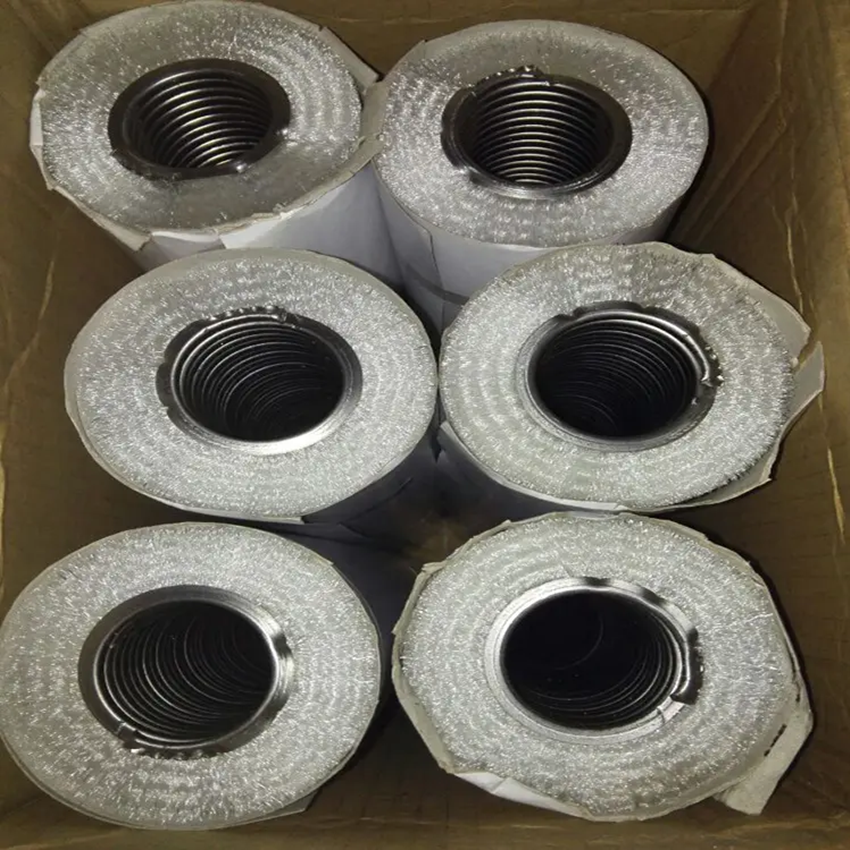
Pumice Brush
$18 – $25
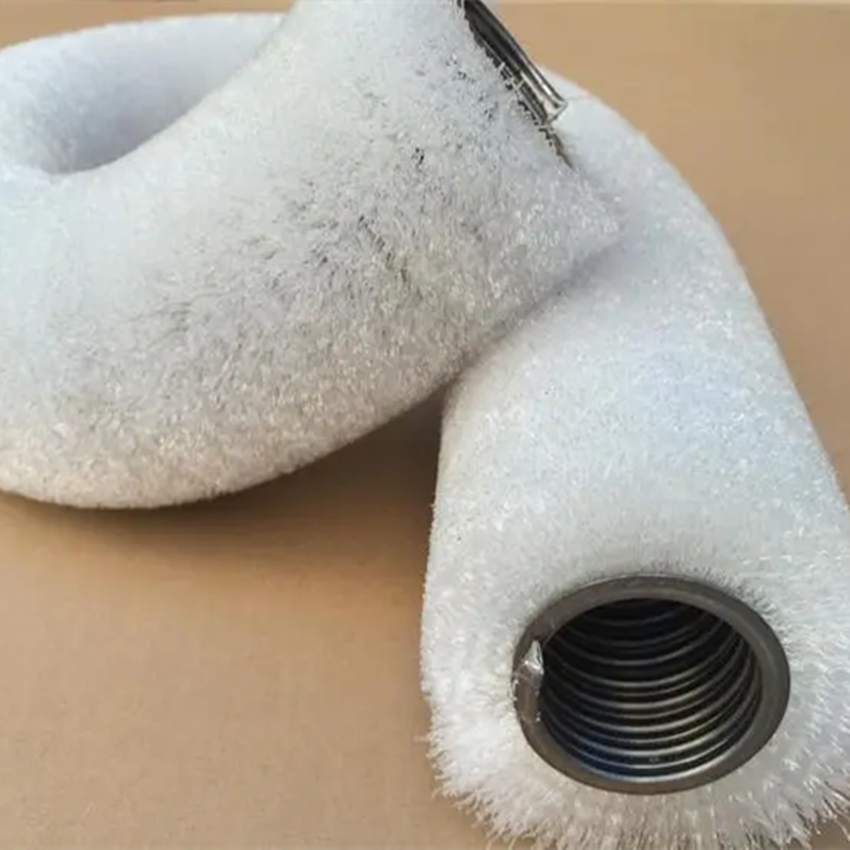
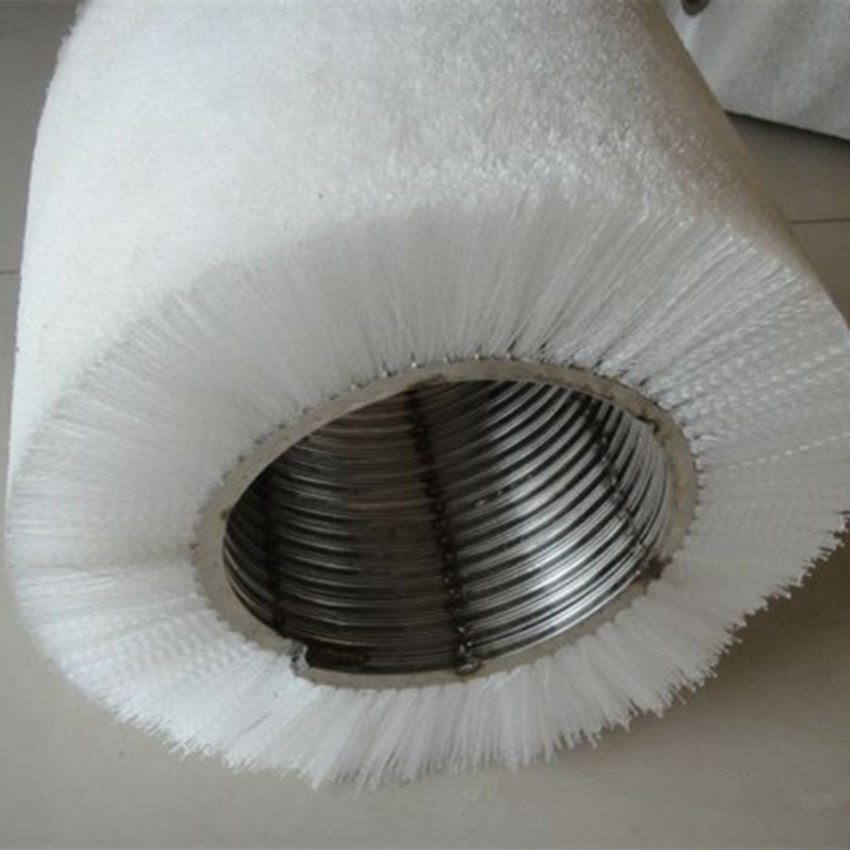
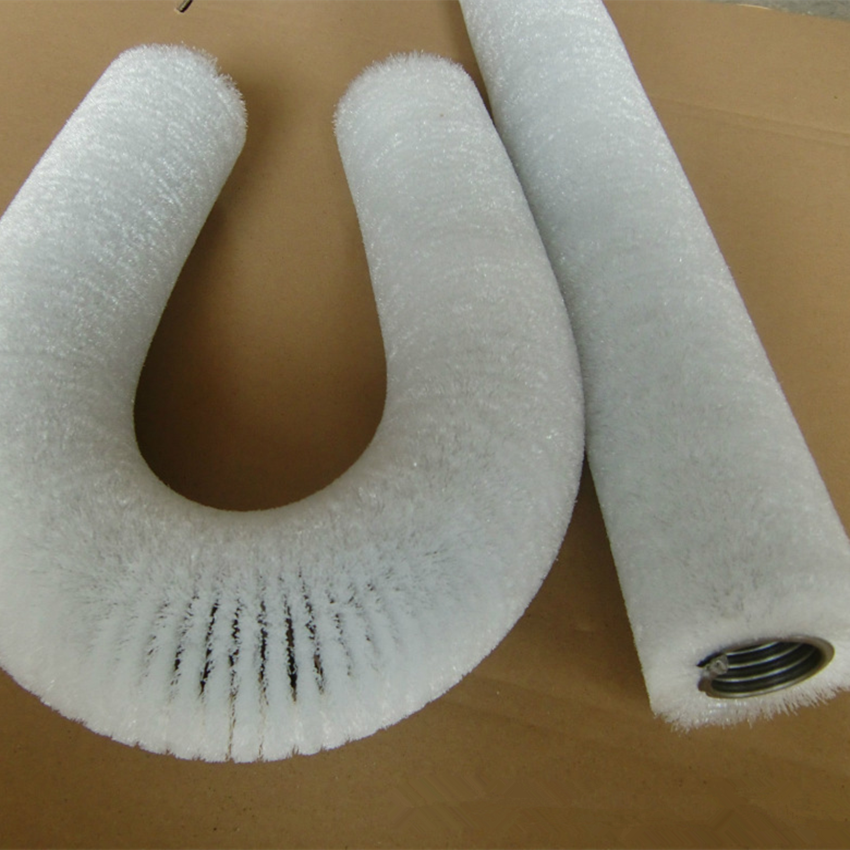
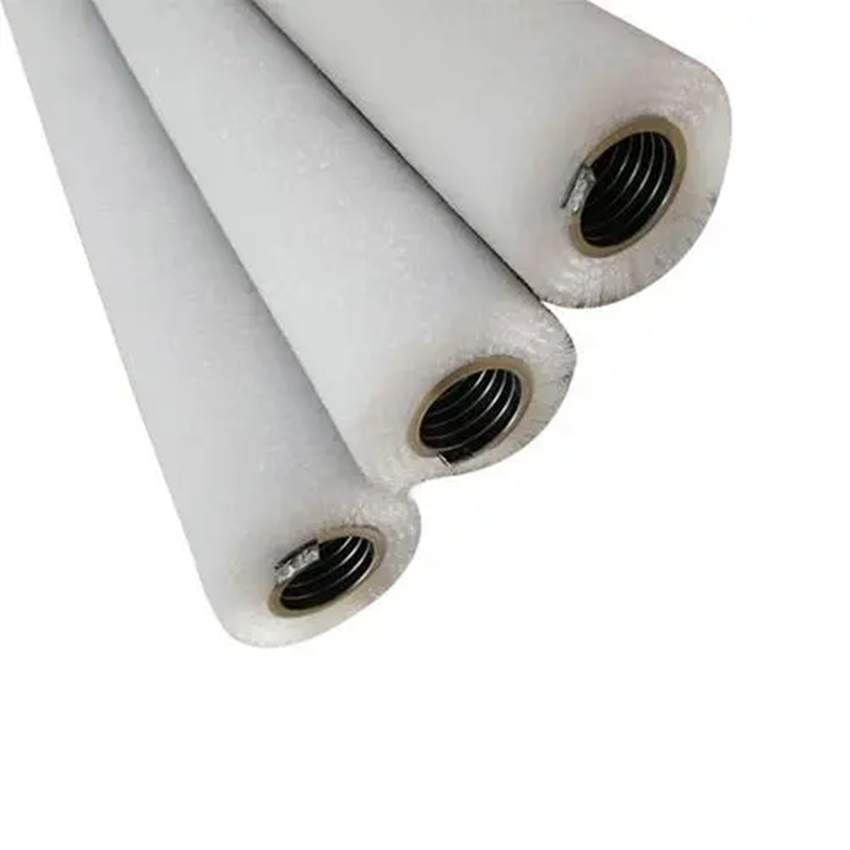
Pumice brush is named spring brush, mainly used for volcanic cleaning polishing and other metal and glass surface cleaning treatment.
1. Overview of Pumice Brush Technology
A Pumice Brush is an industrial-grade roller brush where the bristles are typically made of high-quality nylon impregnated with pumice—a volcanic rock known for its friable, abrasive properties. Unlike a standard sponge roller that absorbs and applies liquid, or a carbide router bit that cuts material, the pumice brush is designed to “micro-scuff” a surface.
In the context of PCB thickness measurement and preparation, these brushes are usually mounted in automated scrubbing machines. As the standard pcb thickness panels pass through the machine, the brushes rotate at high speeds, often accompanied by a water or chemical slurry. The goal is to remove oxidation and create a uniform “tooth” on the copper surface without reducing the pcb thickness beyond specified tolerances.
2. Key Features and Material Science
The effectiveness of a Pumice Brush lies in its abrasive filament technology. Industrial roller brush manufacturers focus on three primary variables:
Filament Grit Size: Much like sandpaper, pumice brushes come in various grit sizes. A finer grit is used for delicate pcb thickness measurement preparation, while a coarser grit is used for heavy oxidation removal on thicker metal plates.
Flexibility and Density: The bristles must be flexible enough to conform to the thickness of pcb board variations while being dense enough to provide a uniform finish.
Hydrophilic Properties: Since these brushes are often used in wet processes, the nylon must resist water absorption to maintain its stiffness and abrasive power.
Compared to a Sponge Rubber Roller or a PU foam roller, the pumice brush is significantly more aggressive, designed for material removal rather than liquid management.
3. Industrial Applications
The versatility of the Pumice Brush makes it a staple in advanced manufacturing environments.
PCB Pre-Cleaning and Surface Roughening
In the production of a standard pcb board thickness 1.6mm panel, the copper must be perfectly clean before the application of photoresist. The pumice brush removes “organic” contaminants and creates a matte finish. This ensures that the resist does not peel during the etching process—a common cause of circuit failure.
Deburring and Edge Finishing
After using cnc router bits or a router bit set to de-panel boards, burrs can remain on the edges. A high-density pumice roller brush is often used to smooth these edges, ensuring the board fits perfectly into its housing and is safe for manual handling.
Metal Degreasing and Descaling
In the broader Surface Finishing Industry, these brushes are used to prepare aluminum or steel coils. They remove the “mill scale” and prepare the metal for painting or plating, acting as a mechanical alternative to harsh chemical treatments.
4. Advantages of Mechanical Scrubbing
Why do manufacturers choose a Pumice Brush over chemical micro-etching?
Uniformity: Brushing provides a more consistent surface “matte” finish across the entire width of a sponge roller large format machine than some chemical sprays.
Environmental Impact: Mechanical scrubbing reduces the volume of hazardous chemicals required for surface preparation, aligning with modern “Green” manufacturing standards.
Cost-Efficiency: While the initial pumice brush price may vary, the long-term cost per square meter of processed material is often lower than high-consumption chemical processes.
Controlled Material Removal: When properly calibrated, a pumice brush can clean a surface without significantly impacting the core thickness of the laminate.
5. Maintenance and Calibration for Maximum Life
To ensure your pumice brush continues to perform, regular maintenance is required.
Dressing the Brush: Over time, the bristles can become uneven. Using a “dressing stone” or a dedicated tool, the operator must periodically trim the brush to ensure a perfectly cylindrical shape. This prevents uneven pcb thickness wear patterns.
Slurry Management: If using a pumice slurry, the concentration must be monitored. Too much pumice can clog the roller brush 4 filaments; too little will result in inadequate cleaning.
Rinsing: After a shift, the brushes should be thoroughly rinsed to prevent the pumice and copper dust from hardening within the bristles, which could lead to scratching of the next batch of standard pcb thickness boards.
6. Sourcing and Procurement
When you look to Buy pumice brush units for your facility, consider the following from your roller brush manufacturers:
Core Material: For wet environments, a plastic or stainless steel core is essential to prevent corrosion.
Custom Dimensions: Ensure the brush length matches your conveyor width, whether you need a sponge roller 4 inch equivalent size or a sponge roller large industrial scale.
Grit Consistency: Verify that the abrasive is evenly distributed throughout the filament, not just on the surface, to ensure consistent performance throughout the pumice brush life.


 Russian
  English
  German
  French
  Spanish
  Vietnamese