
router bits Overview
router bit is a rotating cutting tool installed in a router or CNC spindle. By spinning at high speed, the router cutting bit removes material from wood, plastic, composites, and other non-ferrous materials. Router bits are widely used in cabinet making, door manufacturing, sign making, flooring, and industrial panel processing.
The primary role of the router cutting bit is to remove material at high RPMs (up to 24,000 RPM). Consequently, the balance and concentricity of the bit are paramount. If a bit is even slightly out of balance, it can cause vibration, leading to “chatter” marks on the wood and premature wear on the router bit bearings.
2. Router Bit structure
To choose the best bit router set for your workshop, you must understand the two primary components of the tool: the shank and the body.
The Shank: Stability and Power
The shank is the cylindrical part that fits into the router’s collet. There are two industry-standard sizes:
- 1 4 router bits: Often called 1 4 inch router bit or 1 4 shank router bit, these are used for lighter tasks. They are popular for trim router bit because the smaller diameter allows for better maneuverability.
- 1 2 router bits: Industrial pros prefer the half-inch shank for its massive stability. The increased surface area provides a stronger grip and minimizes the risk of the bit snapping under heavy loads, such as when using a large surfacing router bit.
The Body and Bearing
Most industrial bits feature a steel body with brazed carbide router bit edges. Many profiles, like the flush trim router bit, include router bit bearings. This bearing acts as a guide, allowing the router bit flush trim to follow a template or the edge of a board with zero deviation.
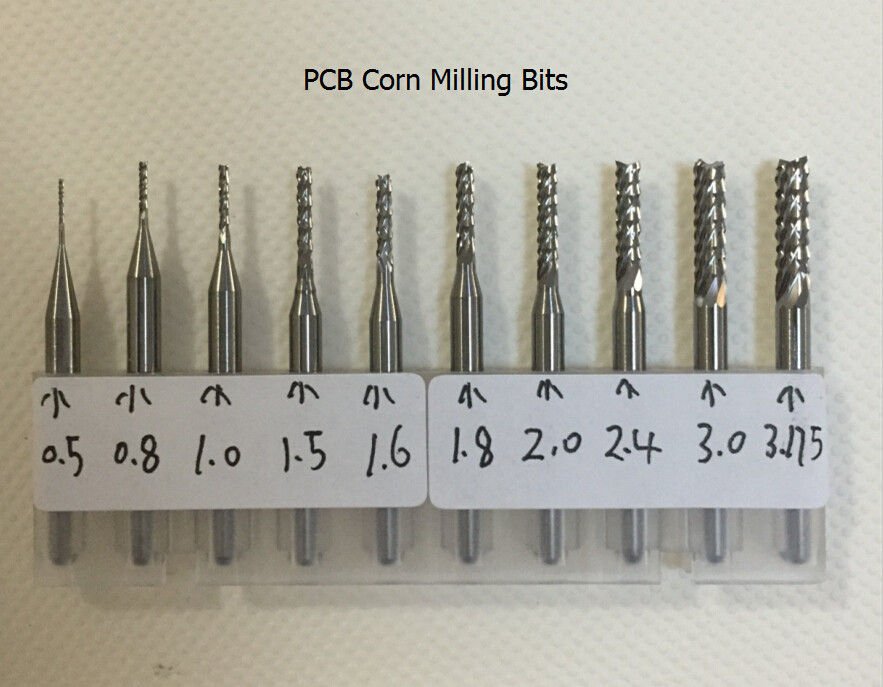
3. Types of Router Bits
Joinery is the heart of woodworking, and specialized router bits make complex connections possible.
- Straight Router Bit: The straight router bit is the most versatile tool. Whether you need a 1 8 router bit for fine inlay or a larger 1 1 4 router bit for deep trenches, straight router bits are the foundation of any set router bits.
- Tongue and Groove: For flooring and large panel assembly, tongue and groove router bits (or tongue groove router bit) create interlocking joints. Using a router bits tongue and groove set ensures that the male and female parts align perfectly.
- Dovetail and Miters: To create the classic look of a fine drawer, dovetail router bits are essential. For 45-degree corner joints that offer a massive gluing surface, the lock miter router bit is the industrial standard.
- Rabbeting: A rabbet router bit (or rabbeting router bit) cuts a “step” into the edge of a board, commonly used for inset cabinet backs. A high-quality router rabbet bit often comes with a set of interchangeable bearings to adjust the depth of the step.
4. Edge Profiling and Architectural Shaping
Beyond joinery, profile router bit designs are used to add decorative edges and architectural flourishes.
- Round Over and Cove: A round over router bits (or rounding router bit) softens sharp corners. Its inverse, the cove router bit (or cove bit for router), creates a concave dip.
- Chamfer Bits: The 45 degree angle router bit is the classic chamfer bit for router work, used to add a beveled edge to furniture.
- Cabinetry Bits: To build traditional cabinet doors, a rail and stile router bits set (also referred to as rail & stile router bits) is used to create the frame, while a raised panel router bits (or router bit for raised panel) shapes the center panel.
5. Industrial CNC and Specialty Bits
In modern manufacturing, cnc router bit have revolutionized throughput.
- CNC Wood Router Bits: Unlike manual bits, cnc wood router bits are designed for varying feed rates. A surfacing router bit is frequently used to level large slabs or clean the CNC spoilboard.
- Specialty Cuts: Tools like the t slot router bit are used for wall-hanging systems, while the bullnose router bit and round nose router bit create half-circular edges and grooves respectively. For drilling tasks, router drill bits provide cleaner holes than standard twist drills.
6.Safety and Best Practices
Using a router cutting bit at 20,000 RPM requires respect.
- Bit Depth: Never “bottom out” the bit in the collet; leave a small gap to allow for heat expansion.
- Direction: Always feed the wood against the rotation of the bit router set to maintain control.
- Multiple Passes: When using a large cove bit for router work or a deep round nose router bit, take several shallow passes rather than one deep one to prevent burning.
Conclusion
Industrial router bits are indispensable cutting tools in modern woodworking, CNC machining, furniture manufacturing, and architectural fabrication. Whether used in handheld routers or advanced CNC machines, router bits are designed to shape, cut, trim, and profile a wide range of materials with precision and consistency. From basic straight cuts to complex decorative profiles, selecting the right router bit directly affects machining efficiency, surface quality, and production reliability.
 French
  English
  German
  Spanish
  Vietnamese
  Russian