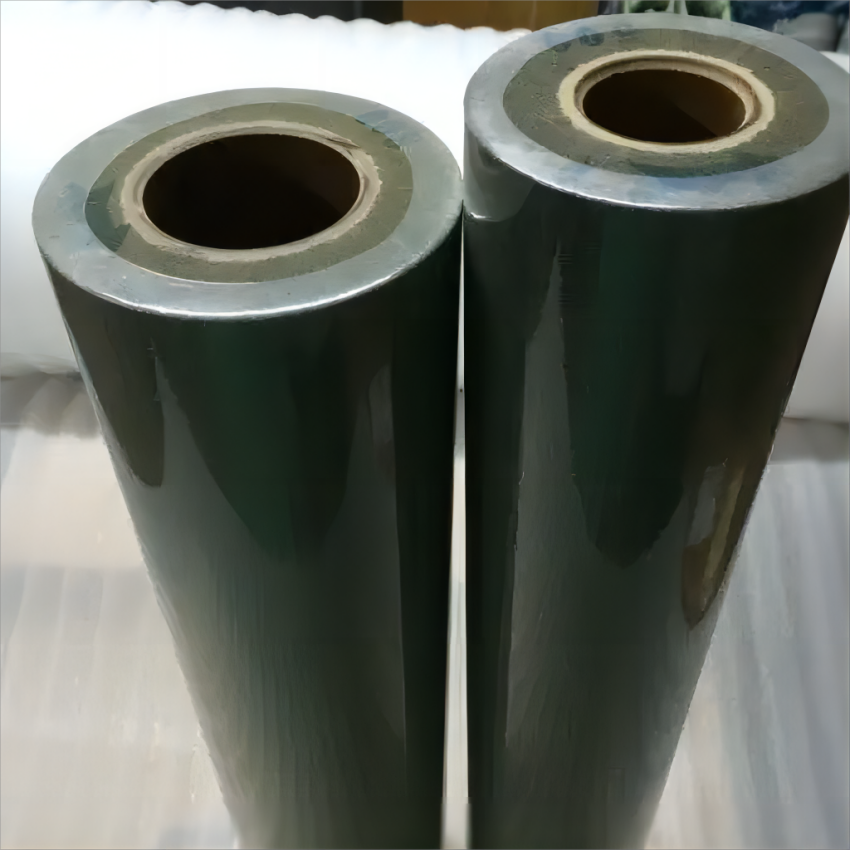
Non-woven brush
$120 – $200
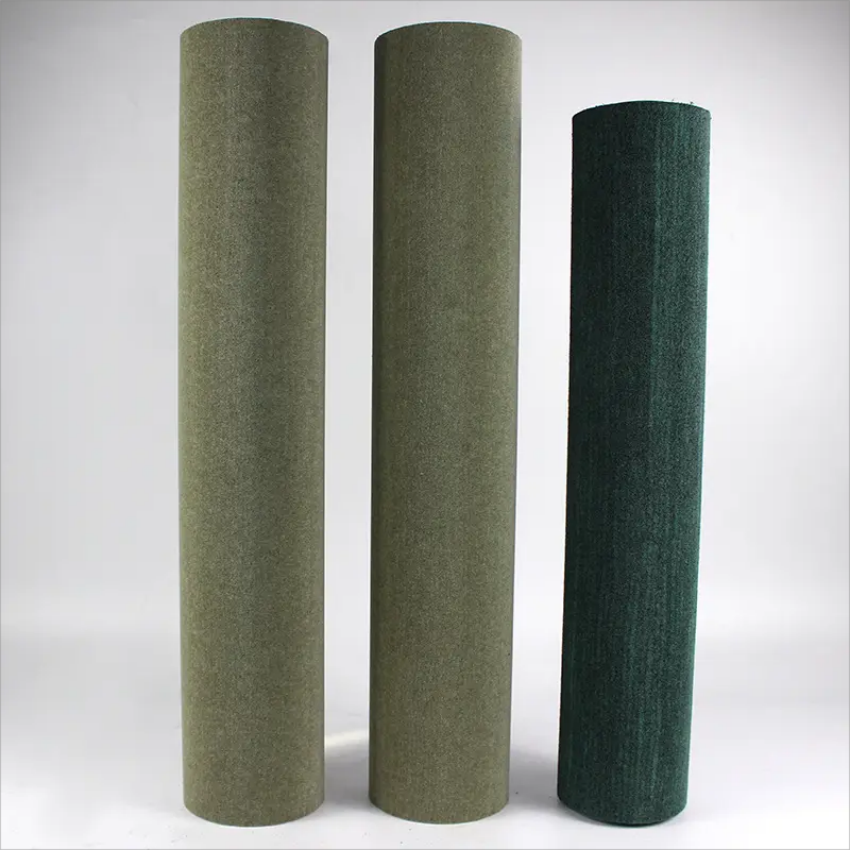
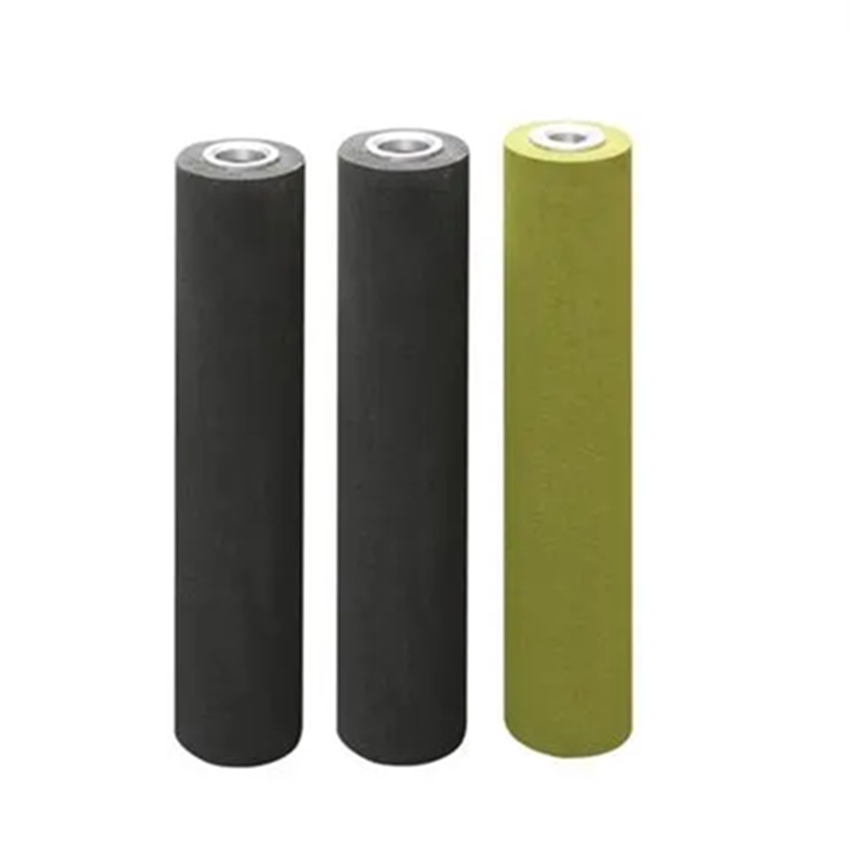
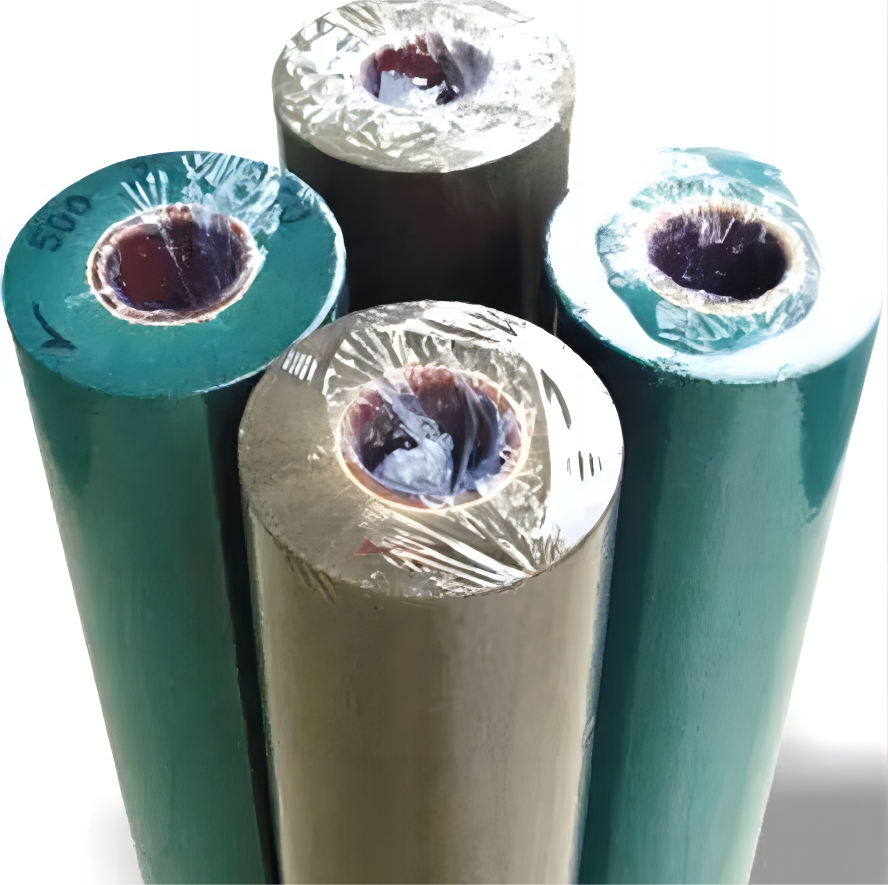
Non-woven brush is used for removing the oxide and clean on the panel, after cleaning the panel surface cooper will be even .Normally used on multilayer PCB inner layer clean before laminate dry film.
Features: Cleaning
Material: Non-woven
1. Overview of Non-Woven Brush Technology
A Non-Woven Brush is essentially a “non-woven” web of synthetic fibers (usually nylon) that are bonded together with resins and abrasive minerals like Aluminum Oxide or Silicon Carbide. Unlike a roller brush 4 with individual bristles, the non-woven material forms a continuous, porous “sponge-like” abrasive surface.
In the world of PCB thickness measurement and preparation, these brushes are often referred to as “Scotch-Brite style” rollers. They are engineered to provide a consistent finish over their entire lifespan. As the outer fibers wear away, fresh abrasive mineral is exposed, ensuring that the sponge roller texture of the finish remains uniform from the first board to the last.
2. Material Technology and Key Features
The effectiveness of a Non-Woven Brush lies in its unique structural design:
3D Open-Web Structure: The porous nature of the nylon web prevents “loading” (clogging). Dust and debris from the standard pcb thickness board are washed away through the pores, preventing the brush from overheating or smearing.
Controlled Abrasive Density: Roller brush manufacturers can adjust the “density” or “hardness” of the web. A “Soft” density is used for light cleaning, while a “Hard” density is used for aggressive deburring of copper after using cnc router bits.
Flexible Conformability: Unlike a rigid grinding tool, the non-woven web conforms to surface irregularities. This is vital for maintaining the standard pcb board thickness while still cleaning recessed areas or uneven plating.
Resilience: The material acts as a mechanical buffer, similar to a Sponge Rubber Roller, but with the added power of integrated abrasives.
3. Critical Applications in Industrial Production
The Non-Woven Brush is a versatile thickness tool used across various manufacturing stages:
PCB Scrubbing and Deburring
After a standard pcb thickness board is drilled or routed using a router bit set, small burrs are left on the copper. Non-woven rollers are used in “Deburring Machines” to remove these burrs without thinning the copper too much, which could affect the pcb thickness measurement accuracy.
Solder Mask and Dry Film Adhesion
Before applying solder mask, the copper surface must be cleaned of oxidation and “toothed.” The non-woven brush provides a “brushed” finish that increases the surface area for chemical bonding, much like a pva sponge roller ensures a dry surface post-rinse.
Decorative Metal Finishing
In the broader Surface Finishing Industry, these brushes are used to create “Satin” or “Hairline” finishes on stainless steel and aluminum. Because they are available in sponge roller large formats, they can process wide metal coils with ease.
Maintenance of Precision Instruments
Technicians often use small non-woven pads or a sponge roller brush format to clean the mechanical parts of thickness measurement instruments and digital thickness gauges, removing rust or scale without damaging the underlying metal.
4. Advantages Over Bristle and Sponge Tools
Why specify a Non-Woven Brush instead of a Pumice Brush or a PU foam roller?
Consistency: Unlike a bristle brush that can leave “track marks,” the non-woven web provides a seamless, multi-directional scratch pattern.
Gentleness: It is less aggressive than a pumice brush, making it safer for thin-core laminates where maintaining core thickness is critical.
Cooler Operation: The open-cell structure dissipates heat much better than a solid Sponge Rubber Roller, preventing the warping of thin metal components.
Long Service Life: The “self-sharpening” nature of the abrasive grains ensures the thickness measurement instrument baseline for the finish doesn’t drift over time.
5. Maintenance and Storage
To maximize the ROI of your non-woven brush, consider these best practices:
Oscillation: In automated machines, the brush should oscillate (move side-to-side) to prevent “grooving” and ensure even wear across the sponge roller large surface.
Coolant Flow: Always use a steady flow of water or coolant. This flushes the “swarf” (removed material) out of the web, preventing it from acting as an unwanted secondary abrasive.
Storage: Like a pva sponge roller, non-woven brushes should be stored away from extreme heat. While they don’t need to stay wet, they should be kept clean of dust to avoid cross-contamination between different metal types.
6. Sourcing and Procurement
When looking to Buy non-woven brush units, collaborate with your roller brush manufacturers on these specs:
Mineral Type: Aluminum Oxide (for general purpose) vs. Silicon Carbide (for a brighter, sharper finish on hard metals).
Grade/Grit: Ranging from “Coarse” to “Ultra Fine.” For pcb thickness work, “Very Fine” or “Super Fine” is typically preferred.
Core Material: Ensure the core is balanced for high RPMs to avoid vibration that could damage the thickness measurement instrument sensors on the line.


 Spanish
  English
  German
  French
  Vietnamese
  Russian